Broward County HVHZ • 140+ MPH Wind Zone
Instant Roof Replacement Quotes in Plantation, FL
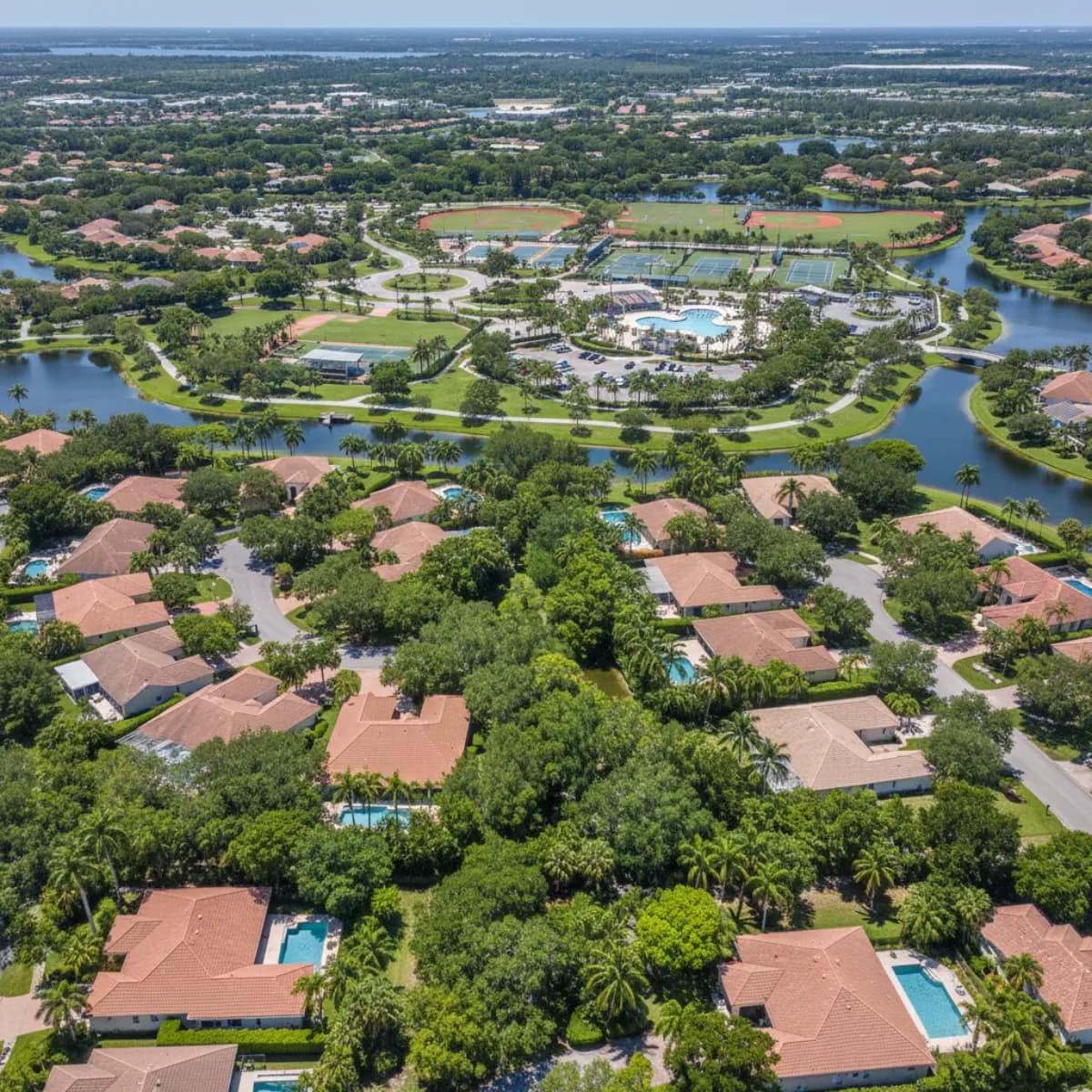
Plantation sits in the heart of western Broward County within the High Velocity Hurricane Zone — one of the strictest building code zones in the United States. With a mature tree canopy, well-established neighborhoods, and HOA requirements to navigate, roof replacement here requires contractors who understand local conditions inside and out. Get instant quotes from pre-vetted Florida CCC-licensed contractors who specialize in HVHZ-compliant roofing across Plantation's residential communities.
Free Quotes
no obligations ever
Contractor Bids
standardized scope comparison
Until You Choose
no spam, no lead resale
FL Contractors
CCC-licensed, insured, reviewed
Plantation at a Glance
Population
Broward County, western suburbs
MPH Wind Rating
HVHZ hurricane design standard
Building Code Zone
Broward County enhanced FBC
Typical Roof Cost
Based on material and home size
Product Certification
Required for all roofing products
Hurricane Wilma
Significant roof damage across city
Roof Replacement in Plantation: What Every Homeowner Should Know
Plantation, Florida, is a well-established city of approximately 95,000 residents nestled in western Broward County between Fort Lauderdale to the east and Davie to the south. Founded and incorporated in 1953, Plantation has grown from its agricultural roots into one of South Florida's most desirable family-oriented communities, known for its lush tree canopy, quality schools, and well-maintained neighborhoods. The city's name reflects its original character as a planned community surrounded by tropical vegetation — and that tree canopy remains one of Plantation's defining features, both as an amenity and a unique roofing challenge.
Like all of Broward County, Plantation falls within the High Velocity Hurricane Zone (HVHZ), which imposes the strictest building code requirements in the United States for wind resistance. The HVHZ was established after Hurricane Andrew in 1992 exposed catastrophic failures in South Florida's building practices. Every roofing product installed in Plantation — from shingles and tiles to underlayment, fasteners, and adhesives — must carry a valid Miami-Dade Notice of Acceptance (NOA), a certification that goes far beyond the standard Florida Product Approvals used elsewhere in the state. This is not optional: using non-NOA products is a code violation that can void your homeowner's insurance and result in failed inspections.
Plantation homeowners also face the practical challenge of navigating HOA requirements, which are common throughout the city's planned communities. Many HOAs restrict roofing materials to specific types and colors, require architectural review board approval before any work begins, and may even specify approved contractor lists. Understanding your HOA's covenants, conditions, and restrictions (CC&Rs) before requesting quotes is essential to avoiding delays and costly material changes mid-project. RoofVista's marketplace makes it easy to compare standardized quotes from pre-vetted contractors who understand Plantation's specific requirements.
Plantation's Hurricane History and Its Impact on Roofing
Plantation has experienced significant hurricane impacts that have shaped the city's approach to roofing standards and homeowner awareness. Hurricane Wilma in October 2005 was particularly devastating to the city. Wilma made landfall on Florida's southwest coast as a Category 3 hurricane and crossed the state, striking Broward County with sustained winds of 105-120 mph. The storm caused extensive roof damage across Plantation — tiles were ripped from homes, shingle roofs were stripped, and thousands of homes suffered water intrusion from compromised roofing systems. Many roofs that had been installed before the enhanced HVHZ codes were updated in the early 2000s proved inadequate against Wilma's sustained winds and pressure differentials.
Hurricane Irma in September 2017 brought another test to Plantation's roofing infrastructure. While Irma's eye passed farther west, the storm's enormous size delivered tropical storm and hurricane-force winds to Broward County for an extended period. The prolonged wind exposure caused significant damage to aging roofs, particularly those with deferred maintenance or improper previous repairs. Notably, homes that had been re-roofed under the updated HVHZ codes performed dramatically better than older installations, validating the stricter standards.
Today, many Plantation homes still have roofs that were installed or last replaced in the aftermath of Wilma — meaning they are now approaching or exceeding 20 years of age. With Florida insurers increasingly refusing to write policies on homes with roofs older than 15 years, many Plantation homeowners are facing the dual pressure of aging infrastructure and insurance requirements that make roof replacement both urgent and financially significant. Understanding current costs, code requirements, and material options is the first step toward making a well-informed decision.
Roofing Challenges Unique to Plantation
Plantation's location in western Broward County creates a specific combination of environmental challenges that differ from both coastal cities and inland Florida communities. Understanding these factors is essential for choosing the right materials and contractor.
! Mature Tree Canopy Debris
Plantation's signature tree canopy — live oaks, royal palms, mahogany trees, and tropical hardwoods — creates constant roof debris. Falling branches, seed pods, leaves, and organic matter accumulate on roofs and in valleys and gutters. This debris traps moisture against roofing surfaces, accelerating degradation of shingles and promoting algae, mold, and mildew growth. During storms, tree limbs become projectiles that can puncture tiles and shingles. Heavily treed lots may require more frequent roof maintenance and benefit from impact-resistant and algae-resistant materials.
! Subtropical Thunderstorms
South Florida's wet season (June through October) brings nearly daily afternoon thunderstorms to Plantation. These storms produce heavy downpours that can dump 2-4 inches of rain in under an hour, high winds, and occasional hail. The repetitive cycle of intense rain followed by rapid drying creates thermal stress on roofing materials and tests waterproofing systems. Ponding water on flat roofs is a particular concern, as even brief pooling can find its way through compromised seams or flashing. Proper drainage design and quality underlayment are critical.
! Moderate Salt Air Exposure
While Plantation is located approximately 10 miles inland from the Atlantic coast, the prevailing easterly sea breezes carry salt-laden air into western Broward. The salt exposure is less severe than in coastal Fort Lauderdale or Hollywood, but it is sufficient to cause corrosion on unprotected metal components over time. Galvanized fasteners, flashing, and drip edges should be specified for Plantation installations, and homeowners considering metal roofing should opt for aluminum or galvalume-coated steel rather than bare steel.
! UV and Heat Degradation
South Florida receives among the highest UV radiation levels in the continental United States. Plantation's roofs endure relentless sun exposure approximately 250 days per year, with surface temperatures on dark-colored roofs exceeding 160 degrees F during summer months. This UV exposure breaks down the oils in asphalt shingles, causing them to become brittle, crack, and lose granules more quickly than in northern climates. Lighter-colored and UV-reflective materials last longer, and Energy Star-rated cool roof products can reduce attic temperatures and cooling costs.
Best Roofing Materials for Plantation Homes
Choosing the right roofing material for a Plantation home means balancing HVHZ code compliance, HOA requirements, climate performance, and budget. Here is how the most common materials perform in Plantation's specific conditions.
Concrete Tile — $18,000 to $28,000
Concrete tile is the dominant roofing material in Plantation and throughout Broward County. Its popularity stems from excellent hurricane resistance, a 50+ year lifespan when properly maintained, and the Mediterranean and Spanish Colonial aesthetic that defines many of Plantation's neighborhoods. Concrete tile is naturally impact-resistant, provides superior thermal insulation compared to shingles, and is widely accepted by HOAs. The primary drawback is weight — concrete tile requires a roof structure engineered to support 900-1,100 pounds per 100 square feet, which is standard for most Plantation homes built from the 1970s onward but may require structural reinforcement on older or lighter-framed homes. Barrel tile, flat tile, and S-tile profiles are all available in HVHZ-compliant versions.
Architectural Shingles — $12,000 to $20,000
Architectural (dimensional) shingles are the most affordable HVHZ-compliant roofing option for Plantation homeowners. Modern impact-resistant shingles with SBS-modified asphalt can handle 140+ mph winds and carry Class 4 hail ratings, qualifying for insurance premium discounts. They are lighter than tile, reducing structural concerns, and come in a wide range of colors and styles. The typical lifespan in South Florida's climate is 20-30 years — shorter than tile, but the lower upfront cost makes them an attractive option, particularly for budget-conscious homeowners or those planning to sell. For Plantation's shaded lots, algae-resistant varieties with copper or zinc granules are recommended.
Standing Seam Metal — $20,000 to $30,000
Metal roofing is gaining traction in Plantation among homeowners seeking maximum hurricane performance and longevity. Standing seam metal panels with concealed fasteners can withstand 160+ mph winds and have a lifespan of 40-60 years. Metal reflects solar radiation, reducing cooling costs by 10-25%, and is inherently resistant to algae and mold — a significant advantage in Plantation's tree-shaded, humid environment. The main barriers are HOA acceptance (some Plantation HOAs prohibit or restrict metal roofing), higher upfront cost, and the need for galvalume or aluminum panels in South Florida's salt-air environment to prevent corrosion.
Flat Roof (TPO/Modified Bitumen) — $8,000 to $18,000
Flat and low-slope roofs are less common in Plantation's residential areas but are found on some commercial properties, pool enclosure structures, and modern-style homes. TPO (thermoplastic polyolefin) membrane is the most popular flat roof material, offering excellent heat reflection, welded seams that resist water intrusion, and a 20-30 year lifespan. Modified bitumen is an alternative for areas where foot traffic or equipment loading is expected. Proper drainage is especially important in Plantation's heavy-rain environment to prevent ponding, and all flat roof installations must meet the same HVHZ wind uplift standards as sloped roofs.
Navigating Plantation HOA Roofing Requirements
Plantation is home to dozens of homeowners associations, and many of the city's most desirable neighborhoods — including Jacaranda, Plantation Acres, Plantation Isles, and The Meadows — have active HOAs with specific roofing guidelines. Failing to comply with your HOA's architectural standards can result in fines, forced removal of non-conforming materials, and legal disputes.
Before requesting quotes, take these steps to ensure a smooth process:
- Review your CC&Rs: Check for approved roofing materials, color requirements, and any restrictions on material types (some HOAs prohibit metal roofing or require concrete tile exclusively).
- Submit an architectural review application: Most Plantation HOAs require written approval before any exterior modification. Submit your application early — review boards typically meet monthly, and delays can push your project timeline by weeks.
- Request the HOA's approved color palette: Many HOAs maintain a specific list of approved roof colors to ensure neighborhood uniformity. Getting this list before selecting materials avoids costly changes after work has begun.
- Check for approved contractor requirements: Some HOAs maintain a list of preferred or required contractors. Even if your HOA does not restrict contractor choice, sharing the HOA requirements with your chosen contractor ensures compliance from the start.
RoofVista's pre-vetted contractors serving Plantation are experienced with local HOA processes and can help navigate architectural review submissions, recommend compliant materials, and ensure the finished roof meets both building code and HOA standards.
How a New Roof Affects Your Plantation Homeowner's Insurance
Florida's homeowner's insurance market has undergone significant upheaval in recent years, and Plantation homeowners are feeling the impact. Many insurers have left the Florida market entirely, while remaining carriers have tightened underwriting standards and increased premiums substantially. Roof age and condition have become primary factors in coverage decisions.
Key insurance considerations for Plantation homeowners:
- 15-year threshold: Many Florida insurers will not write new policies on homes with roofs older than 15 years, regardless of the roof's visible condition. Citizens Property Insurance, the state-backed insurer of last resort, requires a roof inspection for roofs over 15 years old and may deny coverage if the roof has less than 5 years of remaining useful life.
- Wind mitigation discounts: A new, code-compliant roof with hurricane clips or straps, sealed roof deck, and impact-resistant covering qualifies for wind mitigation discounts that can reduce the wind portion of your premium by 30-50%. A wind mitigation inspection (OIR-B1-1802 form) after roof replacement documents these features for your insurer.
- Premium reduction: Beyond wind mitigation discounts, a new roof generally qualifies your home for more carrier options and more competitive rates. Plantation homeowners who replace an aging roof typically see total premium reductions of 20-40% compared to their pre-replacement rates.
- Impact-resistant material credits: Choosing Class 4 impact-resistant shingles or concrete tile can qualify for additional insurance discounts specific to impact resistance, stacking on top of wind mitigation savings.
The combination of insurance savings and improved protection often makes roof replacement one of the highest-return investments a Plantation homeowner can make — particularly for homes with roofs approaching the 15-year mark.
Plantation Roofing Permits and the HVHZ Inspection Process
Every roof replacement in Plantation requires a building permit issued through the City of Plantation Building Division, which enforces the Broward County enhanced Florida Building Code. The permitting and inspection process in the HVHZ is more rigorous than in other parts of Florida, reflecting the higher standards required for hurricane resistance.
The typical permit and inspection process includes:
- Permit application: Your contractor submits the application with Miami-Dade NOA numbers for all products, proof of CCC license, a project scope description, and the required fee ($250-$600 depending on project size).
- Notice of Commencement: Filed with the Broward County Clerk of Courts, this document establishes your legal rights during the construction process and must be recorded before work begins.
- Tie-off inspection: After the old roofing is removed and the deck is exposed, an inspector verifies the deck condition, attachment method, and any necessary repairs.
- Dry-in inspection: After underlayment installation, the inspector verifies the type, installation method, and NOA compliance of the underlayment system, including self-adhering membrane at eaves, valleys, and penetrations.
- Final inspection: After the roof is fully installed, the inspector verifies NOA compliance for every product, proper installation per manufacturer specifications, flashing details, and overall workmanship. This is the most comprehensive inspection stage.
All RoofVista contractors handle the entire permit process on your behalf, including application submission, Notice of Commencement filing, and scheduling all required inspections. This is a non-negotiable requirement for contractors on our platform — homeowners should never have to manage permits themselves.
What Drives Roof Replacement Costs in Plantation
Several factors specific to Plantation influence the total cost of a roof replacement beyond just material and labor. Understanding these helps you evaluate quotes and budget accurately.
HVHZ Product Premiums
NOA-certified roofing products cost 10-25% more than standard Florida-approved equivalents due to the additional testing and certification requirements. This premium applies to every component — shingles/tiles, underlayment, fasteners, adhesives, and flashing.
Tree Canopy Access
Plantation's mature trees can complicate roof access for equipment and material delivery. Homes with heavily treed lots may require additional labor for branch trimming, specialized equipment positioning, and manual material hauling when crane or conveyor access is limited.
Deck Repairs
Older Plantation homes, particularly those built before the mid-1990s code updates, may have roof decking that does not meet current HVHZ standards for thickness or attachment. Deck replacement or re-nailing can add $1,500-$4,000 to the project cost.
Permit and Inspection Fees
City of Plantation permit fees range from $250 to $600, and the multi-stage HVHZ inspection process adds scheduling time that can extend project duration. These costs are typically included in contractor quotes but should be itemized.
Get Your Instant Plantation Roof Replacement Estimate
Enter your Plantation address to get an instant AI-powered roof estimate based on satellite measurements. Compare standardized quotes from pre-vetted, CCC-licensed Florida contractors — no spam, no lead resale, and your information stays private until you choose a contractor.
Roofing Services Near Plantation
RoofVista serves homeowners throughout Broward County and South Florida. Our pre-vetted contractors provide instant quotes for communities near Plantation:
Florida Roofing Guides
Explore our comprehensive guides for Florida homeowners covering costs, materials, regulations, and seasonal considerations:
Florida Roofing Overview
Statewide costs, materials, and building code requirements
Florida Roof Replacement Cost Guide
Detailed pricing by material, region, and home size
Florida Cost Calculator
Interactive tool for instant Plantation roof cost estimates
Understanding Your Scope of Work
How to compare roofing quotes line by line
Plantation Roofing FAQ
How much does a roof replacement cost in Plantation, FL?
Architectural shingle roofs cost $12,000-$20,000 in Plantation. Concrete tile ranges $18,000-$28,000. Standing seam metal runs $20,000-$30,000. Broward County's HVHZ compliance requirements, 140+ mph wind-rated installation methods, and mature tree canopy access challenges influence pricing.
Does Plantation fall within the High Velocity Hurricane Zone (HVHZ)?
Yes. All of Broward County, including Plantation, is in the HVHZ — the strictest building code zone in the U.S. All roofing products must carry a Miami-Dade NOA. Standard Florida Product Approvals used elsewhere in the state are not sufficient.
What roofing materials are most common in Plantation, FL?
Concrete tile is most prevalent, especially in neighborhoods built from the 1970s through 1990s. Architectural shingles are the second most common. Flat roofs with TPO are found on commercial properties. Metal roofing is growing in popularity for its hurricane resilience. All materials must be HVHZ-compliant.
How do Plantation's mature trees affect my roof replacement?
Plantation's extensive tree canopy causes debris damage, traps moisture promoting algae growth, clogs gutters, and overhanging branches accelerate wear. During replacement, contractors should assess branches needing trimming and recommend algae-resistant materials for heavily shaded roofs.
Do Plantation HOAs have specific roofing requirements?
Many Plantation neighborhoods have HOAs with strict architectural guidelines covering approved materials, color palettes, and requirements for architectural review board approval. Check your CC&Rs before getting quotes to understand what is permitted.
How do wind mitigation inspections save money on Plantation insurance?
Florida law mandates insurance discounts for verified wind mitigation features. A modern, code-compliant roof with hurricane clips, sealed deck, and impact-resistant covering can save Plantation homeowners 30-50% on the wind portion of their insurance premium.
What permits are required for roof replacement in Plantation?
Permits are required through the City of Plantation Building Division, enforcing the Broward County enhanced FBC. Applications need NOA numbers for all products, CCC license proof, and a Notice of Commencement. HVHZ inspections verify NOA compliance. Fees range $250-$600.
What contractor license is required for roofing in Plantation, FL?
Florida requires a Certified Roofing Contractor (CCC) license from the DBPR. In Broward County, contractors must also register locally and demonstrate HVHZ expertise. Verify licenses at myfloridalicense.com.