The February 2026 Blizzard: A Wake-Up Call for Connecticut Homeowners
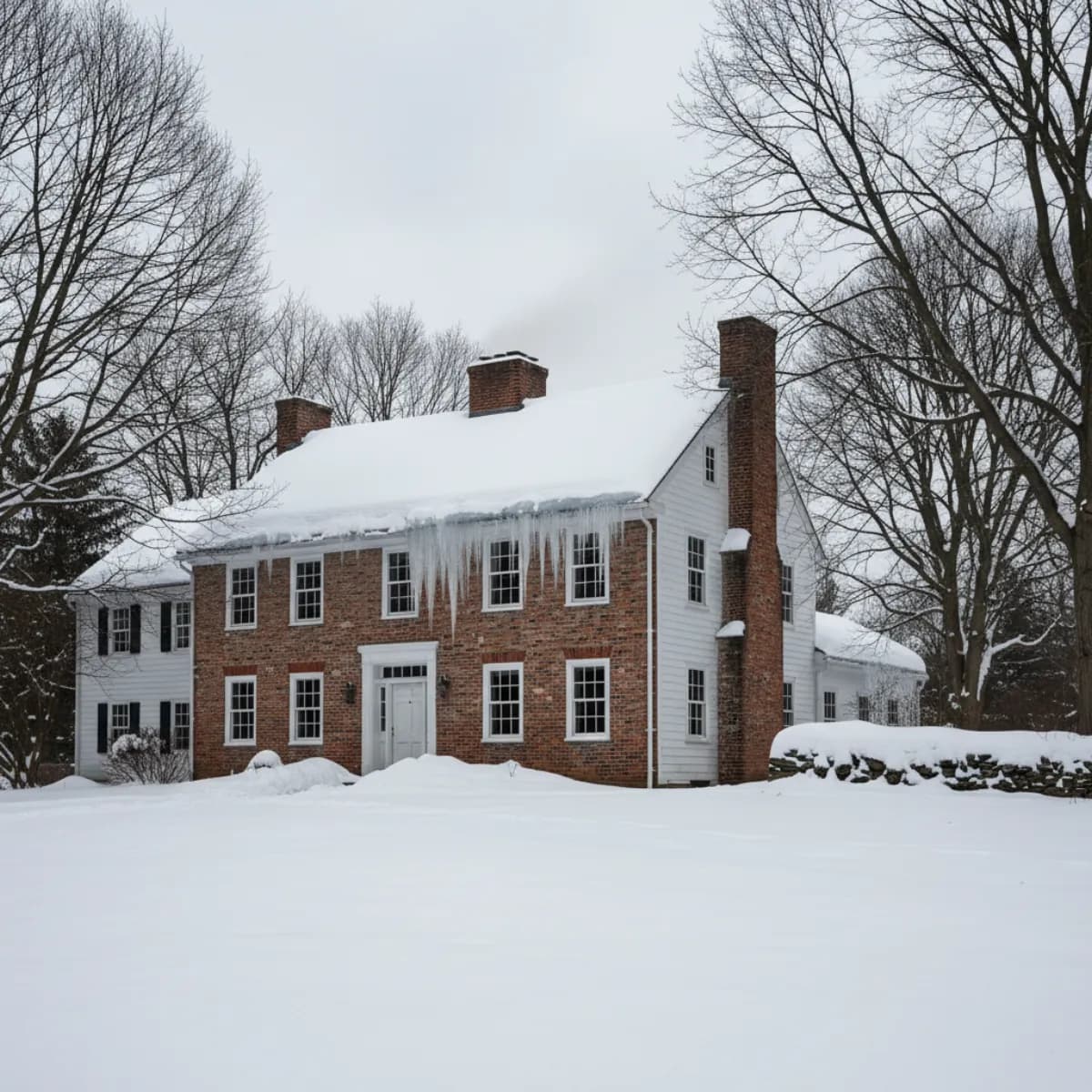
The February 2026 blizzard dropped 18 to 26 inches of heavy, wet snow across Connecticut in under 36 hours, followed by a rapid temperature swing that took daytime highs from the teens into the upper 30s within days. This combination was a textbook recipe for catastrophic ice dam formation. As attic heat melted snow on upper roof sections and the meltwater refroze at the eaves, ice dams grew to 6 inches or more across thousands of Connecticut homes.
Insurance adjusters across the state reported a surge in water damage claims in the weeks following the storm. Homeowners in Hartford, Litchfield, and Windham counties were hit especially hard, where inland temperatures stayed well below freezing long enough for ice dams to grow to destructive proportions. Even coastal Fairfield and New Haven county homeowners — who typically see less severe ice damming — filed claims at elevated rates due to the sheer volume of snow deposited by this particular storm.
If your home sustained ice dam damage during this event, or if you've dealt with recurring ice dams in past winters, this guide will walk you through every aspect of the problem: what causes it, how to prevent it, when to call a professional, what your insurance covers, and how to determine whether your roof needs full replacement rather than another round of repairs.
Immediate Steps After Ice Dam Damage
- Photograph all damage (interior and exterior) with timestamps.
- Place buckets under active drips and move valuables away from affected areas.
- Contact your insurance company within 48 to 72 hours.
- Do not attempt to chip or hammer ice off the roof — this damages shingles.
- Call a professional steam removal service if the dam is actively causing leaks.
Why Connecticut Homes Are Vulnerable to Ice Dams
Connecticut sits in IECC Climate Zone 5A, which brings approximately 5,500 to 6,000 heating degree days per year. Average January temperatures range from the low 20s in Litchfield County to the low 30s along the coast in Fairfield and New London counties. This range is significant because it creates the exact temperature profile that feeds ice dam formation: cold enough to keep snow on the roof, but with enough periodic warming to trigger melt cycles that send water toward the eaves.
Coastal CT (Fairfield, New Haven, New London)
Long Island Sound moderates winter temperatures, reducing the number of sustained freezing days. Ice dams are less frequent here but still occur during major nor'easters. Coastal homes face additional challenges from salt air corrosion on metal flashing and fasteners, wind-driven rain intrusion, and the occasional heavy wet snow event that can produce severe ice dams even in milder winters. Post-colonial and Victorian homes in towns like Greenwich, Westport, and Guilford often have complex rooflines with dormers and valleys that trap snow.
Inland CT (Hartford, Litchfield, Windham, Tolland)
Inland Connecticut sees colder sustained temperatures and 20 to 40 percent higher snowfall totals than the coast. Litchfield County averages 55 to 70 inches of snow annually. The prolonged cold keeps snow on roofs for weeks, and every sunny afternoon or warm attic triggers another melt-refreeze cycle. Colonial-era farmhouses and Cape Cod style homes in these areas often have minimal original insulation, making them among the most ice-dam-prone structures in the state. Towns like Torrington, Winsted, and Woodbury see some of the highest ice dam frequency in Connecticut.
Connecticut's Aging Housing Stock
Connecticut has one of the oldest housing stocks in the country. Thousands of homes across the state were built before 1970, long before modern insulation standards and air-sealing techniques became standard practice. Colonials, Cape Cods, Saltboxes, and Garrison-style homes — architectural staples throughout the state — feature complex rooflines with dormers, valleys, and varying pitches that naturally accumulate snow and create ice dam hot spots. Cape Cod homes with knee walls and sloped second-floor ceilings are particularly difficult to insulate effectively, and many still have original R-11 to R-13 insulation — far below the current code requirement of R-49.
The Freeze-Thaw Factor
Unlike states that stay consistently below freezing all winter, Connecticut regularly oscillates above and below 32°F throughout January and February. This constant freeze-thaw cycling is worse for ice dams than sustained extreme cold. Each warm day partially melts roof snow, which refreezes overnight, adding another layer to the growing ice dam at the eaves. This process can repeat dozens of times per winter, building ice dams thick enough to force water 3 to 4 feet up the roof slope and under shingles.
Signs of Ice Dam Damage: What to Look For
Catching ice dam damage early can save you thousands in repair costs. Many Connecticut homeowners do not realize they have an ice dam problem until water is actively dripping through their ceiling. Learn to recognize these warning signs so you can intervene before damage escalates.
EExterior Warning Signs
- !Large icicles forming along eaves or gutters (indicates heat loss conditions that produce ice dams)
- !Thick ice buildup behind gutters or along the drip edge
- !Sagging or pulling gutters (ice weight can exceed 50 lbs per linear foot)
- !Uneven snow melt pattern on roof surface (warm spots indicate attic heat loss)
- !Ice or water visible at soffit vents
IInterior Warning Signs
- !Water stains or discoloration on ceilings near exterior walls
- !Peeling or bubbling paint on walls or ceilings
- !Damp or musty odor in upper-floor rooms or attic
- !Wet or compressed insulation visible in the attic
- !Mold or mildew growth on attic sheathing or rafters
If you notice any interior signs of water intrusion during or after a winter storm, take immediate action. Place containers under active drips, move furniture and valuables away from affected areas, and document everything with timestamped photos. This documentation is critical if you need to file an insurance claim. Do not wait for the ice to melt naturally — the longer water sits behind the dam, the more extensive the damage becomes.
Ice Dam Risk Assessment: How Vulnerable Is Your CT Home?
Use this checklist to evaluate your home's ice dam risk. The more items you check, the higher your risk of experiencing ice dam damage this winter and in future seasons.
Check the items that apply to your home to see your risk level.
Prevention Strategies, Ranked by Effectiveness
Ice dam prevention is not about any single product or quick fix. Here are the most effective strategies, ranked from highest to lowest long-term impact. The first three address root causes. The remaining options are supplemental measures that can reduce symptoms but do not eliminate the underlying problem.
Air Sealing: Stop the Hidden Heat Leaks
Highest Impact · Root Cause FixAir sealing is the most overlooked yet often the most critical component of ice dam prevention. Even R-49 insulation cannot stop warm air from bypassing it through gaps, cracks, and penetrations in the attic floor. The stack effect — warm air naturally rising through the building envelope — drives a constant flow of heated, moisture-laden air into the attic through every unsealed opening.
Common air leak sources in Connecticut homes include recessed can lights (each one acts as a chimney from your heated room into the attic), plumbing stacks and drain vents, electrical penetrations, attic hatches without weatherstripping, and the top plates of interior partition walls. A professional energy audit using a blower door test can identify exactly where your home is losing air. Connecticut's Energize CT program may offer subsidized energy audits through your utility provider.
Insulation: R-49 Minimum for CT Attics
High Impact · Root Cause FixThe Connecticut State Building Code (adopting the International Energy Conservation Code for Climate Zone 5A) requires a minimum of R-49 insulation in attic spaces for new construction and major renovations. This translates to approximately 16 to 20 inches of blown cellulose or 14 to 16 inches of fiberglass batts. Many older Connecticut homes have insulation levels of R-11 to R-19 — losing three to four times more heat through the attic floor than a properly insulated home.
Blown-in cellulose is the preferred choice for most Connecticut attic retrofits because it conforms to irregular joist cavities, fills gaps around wiring and plumbing, and provides excellent thermal performance at a reasonable cost. For a typical 1,200-square-foot attic, expect to pay $2,500 to $5,000 for professional cellulose insulation to R-49.
Ventilation: Balanced Intake and Exhaust
High Impact · Root Cause FixEven with perfect insulation, some incidental heat will reach the attic. Proper ventilation ensures this heat is continuously flushed out by cold outside air before it can warm the roof deck. The principle is straightforward: cold air enters through soffit vents at the eaves, flows up the underside of the roof deck, and exits through ridge vents or exhaust vents at or near the peak.
The key word is balanced. The building code calls for a minimum of 1 square foot of net free ventilation area for every 150 square feet of attic floor area (or 1:300 with a vapor barrier). This ventilation should be split roughly 50/50 between intake (soffit) and exhaust (ridge or gable). A common mistake in Connecticut homes is having ridge vents installed without adequate soffit intake, which creates negative pressure in the attic and actually pulls warm, moist air up from the living space.
During a re-roofing project, installing a continuous ridge vent paired with continuous soffit strip vents is the most effective ventilation configuration. Ensure that baffles (rafter vents) are installed at each rafter bay to maintain an air channel from the soffit to the ridge, even when insulation is installed to full depth.
Ice and Water Shield Membrane
Supplemental · Applied During Re-roofingConnecticut building code requires self-adhering ice barrier membrane on all new roofs, extending from the eave edge to at least 24 inches (2 feet) past the interior face of the exterior wall. This membrane does not prevent ice dams from forming — it prevents the water backed up behind the dam from entering your home. It is your last line of defense. Many experienced Connecticut roofers recommend extending the membrane 6 feet or more up the roof deck on north-facing slopes and in areas with a history of severe ice damming. This is a one-time investment applied during a roof replacement.
Standing Seam Metal Roofing
Supplemental · Long-Term InvestmentStanding seam metal naturally sheds snow and ice before dams can form, making it the most ice-dam-resistant roofing material available. The smooth, continuous surface and concealed fasteners allow snow to slide off before it can accumulate and feed the melt-refreeze cycle. At $9.50 to $16.00 per square foot installed in Connecticut, it costs 2 to 2.5 times more than architectural shingles but lasts 40 to 70 years. Learn more in our best roofing materials for New England guide.
Heat Cables (Temporary Measure)
Band-Aid · Not a Permanent SolutionHeat cables installed in a zigzag pattern along the eaves and in gutters can reduce ice buildup, but they treat the symptom rather than the cause. They increase winter electricity costs, require annual inspection, and can damage shingles over time. Use heat cables only as a stopgap while planning a proper insulation, ventilation, and air sealing upgrade.
Emergency Ice Dam Removal: Professional vs. DIY
When an ice dam is actively causing water to leak into your home, you need it removed quickly. But the method you choose matters enormously — the wrong approach can cause more damage than the ice dam itself.
Professional Steam Removal
DIY Methods
Methods That Damage Your Roof
Never use a hammer, chisel, ice pick, or pressure washer to remove ice dams. These methods crack and dislodge shingles, tear shingle granules, puncture the roof membrane, and can void your roofing warranty. Pressure washers are especially destructive — the high-pressure water drives moisture into the roof deck and wall cavities, causing the very damage you are trying to prevent. If you see a contractor arrive with a pressure washer instead of a steamer, send them away. For more on handling urgent roof situations, see our emergency roof repair guide.
Connecticut Insurance Coverage for Ice Dam Damage
Understanding what your Connecticut homeowners insurance does and does not cover can save you from costly surprises. Here is a breakdown of typical coverage under a standard HO-3 policy, which is the most common homeowners policy type in Connecticut.
Typically Covered
- ✓Sudden and accidental water damage from ice dam leaks (ceiling stains, wall damage, ruined carpet)
- ✓Structural repair to damaged drywall, framing, and sheathing caused by the water intrusion event
- ✓Mold remediation resulting from the sudden water event (if reported and addressed promptly)
- ✓Damaged personal property (furniture, electronics, belongings) affected by the leak
Typically NOT Covered
- ✗Cost of removing the ice dam itself
- ✗Gradual damage from recurring ice dams left unaddressed over multiple seasons
- ✗Upgrading insulation, ventilation, or air sealing to prevent future occurrences
- ✗Full roof replacement (unless the roof itself was damaged by the ice dam event)
Filing a Claim: Best Practices for CT Homeowners
- Document the ice dam and interior damage with timestamped photos and video immediately.
- Report the damage to your insurer within 48 to 72 hours — delays weaken your claim.
- Keep receipts for all emergency mitigation expenses (water extraction, temporary repairs).
- Do not make permanent repairs before the adjuster inspects (temporary mitigation is fine and expected).
- Under Connecticut's Unfair Insurance Practices Act (CGS Section 38a-816), your insurer must handle claims in good faith and in a timely manner.
- If your claim is denied, you can file a complaint with the Connecticut Insurance Department at portal.ct.gov/cid.
Be aware that filing multiple ice dam claims in consecutive years could lead to a non-renewal notice from your insurer. This is one reason why investing in permanent prevention (insulation, ventilation, air sealing) is both a structural and financial decision. If ice dams are a recurring problem, the cost of prevention is almost always less than the cumulative cost of repeated claims, rising premiums, and potential non-renewal.
When Ice Dam Damage Means You Need a Full Roof Replacement
Not every ice dam event requires a new roof. But there are clear thresholds where replacement becomes the smarter investment compared to continued repair. Here is how to evaluate where you stand.
Replace When...
- →Your roof is 15+ years old AND has sustained ice dam water damage
- →Roof sheathing or decking shows rot or delamination in multiple areas
- →You have experienced recurring ice dams in 3 or more consecutive winters
- →Repair estimates exceed 30 to 40 percent of a full replacement cost
- →Your existing roof lacks ice and water shield membrane (common in pre-2000 roofs)
Repair When...
- →Damage is limited to a small, localized area (under 100 sq ft)
- →Your roof is under 10 years old and otherwise in good condition
- →Sheathing is dry and structurally sound — only shingles need attention
- →This is a first-time occurrence and you are addressing the root causes (insulation, ventilation)
A full roof replacement gives you the opportunity to install code-compliant ice and water shield, upgrade ventilation with continuous ridge and soffit venting, add rafter baffles to maintain airflow, and even switch to a more ice-resistant material like standing seam metal. The long-term savings from eliminating repeated repair costs and energy losses often justify the upfront investment. For a detailed breakdown of roof replacement costs in Connecticut, see our Connecticut roof replacement cost guide.
Not Sure If You Need Repair or Replacement?
Enter your address below for a free instant satellite-based roof estimate. Compare quotes from pre-vetted Connecticut contractors — no phone calls, no pressure.
Connecticut Building Code: Ice Dam Requirements at a Glance
Connecticut follows the 2018 Connecticut State Building Code (CT-SBC), which adopts the International Residential Code with state-specific amendments. Here are the key requirements relevant to ice dam prevention on residential roofs.
| Requirement | CT Code Specification |
|---|---|
| Attic Insulation | R-49 minimum (Climate Zone 5A per IECC) |
| Ice and Water Shield | Required from eave edge to 24" past interior wall line |
| Valley Ice Shield | 24" from centerline on each side |
| Attic Ventilation | 1:150 ratio (net free area to attic floor area), or 1:300 with vapor barrier |
| Climate Zone | Zone 5A (entire state) |
| Code Version | 2018 CT-SBC (adopts IRC with CT amendments) |
When getting quotes for a roof replacement, ask contractors specifically whether they will install ice and water shield to the code minimum (24 inches past the interior wall) or extended coverage. Many quality contractors in Connecticut routinely extend the membrane 4 to 6 feet up the roof deck, especially on north-facing slopes and in inland areas with heavy snow loads. This is one of the most important details to compare when reviewing quotes.
Frequently Asked Questions: Ice Dams in Connecticut
Frequently Asked Questions
Everything you need to know about getting your roof replaced with RoofVista
Still have questions? We're here to help!