Instant Roof Replacement Quotes in Boston, MA
Massachusetts' historic state capital deserves exceptional protection. Get instant quotes from pre-vetted contractors for Beacon Hill brownstones, Back Bay Victorians, Dorchester triple-deckers, and colonial homes throughout all 675,000+ residents' neighborhoods since 1630.
Free Quotes
no obligations ever
Contractor Bids
standardized scope comparison
Until You Choose
no spam, no lead resale
MA Contractors
licensed, insured, reviewed
Why Boston Homeowners Start Here
Better for Boston than a generic lead form or a single-contractor pitch
RoofVista is a managed marketplace, not a directory and not a local roofing company pretending to compare options. That matters in Boston, where material scope, permit logistics, historic-district rules, and dense-neighborhood access can make two roof quotes look similar even when they are not.
Compare the same scope
Review materials, ice and water shield coverage, ventilation, flashing, cleanup, permit handling, and timeline before deciding which bid is actually stronger.
Stay private longer
Boston buyers can review options first instead of submitting one lead form and getting pushed by multiple contractors at once.
Screening before bids
Contractor participation is gated by license, insurance, and reputation checks, which is especially important for historic homes and high-value urban properties.
Advisor help when it gets technical
Use RoofVista when your project includes Beacon Hill or Back Bay review, triple-decker flat roofing, financing questions, or insurance-related storm work.
Need Help Now?
Talk with RoofVista before you submit your address
If you want to understand fit, vetting, or what you will actually compare for a Boston project, start with an advisor conversation instead of guessing.
Roofing Challenges Unique to Boston
~ Coastal Weather & Nor'easters
Boston's harbor location exposes roofs to 3-5 major nor'easters annually with sustained winds of 60-80+ mph, heavy snow, and corrosive salt air that accelerates material wear.
- - Corrosion-resistant fasteners required
- - High wind-rated shingles (110+ mph)
- - Enhanced underlayment protection
* Heavy Snow & Ice Dams
Boston receives approximately 48 inches of snow annually, creating significant ice dam risk that causes serious water damage, especially in the city's older housing stock.
- - Ice and water shield membrane required
- - Proper attic insulation critical
- - Ridge and soffit ventilation essential
= Historic Preservation Requirements
America's most historic major city has 12 designated historic districts with strict preservation requirements including Beacon Hill (1955), Back Bay (1966), and South End (1983).
- - Boston Landmarks Commission approval
- - Period-appropriate materials only
- - Specific color requirements
! Extreme Temperature Swings
Boston experiences cold winters (22-36 degrees F) and humid summers (highs in 80s), creating thermal stress and freeze-thaw cycles that test roofing materials year-round.
- - Thermal expansion considerations
- - High-quality underlayment
- - Flexible, durable materials
Boston Building Requirements
Important Local Regulations
Building Permits
Required for all roof replacements through the Boston Inspectional Services Department (ISD). Permit fees range from $100-400 based on project scope. Final inspections required upon completion.
Beacon Hill Historic District (1955)
Massachusetts' oldest historic district requires natural slate roofing in approved colors only. No synthetic alternatives permitted. Copper gutters and flashing mandatory for most properties. All changes require Landmarks Commission approval.
Back Bay Historic District (1966)
Victorian-era brownstones must maintain period-appropriate roofing. Natural slate, copper, and standing seam metal in traditional colors. Modern materials prohibited on street-visible surfaces. Mansard roofs have specific requirements.
South End Historic District (1983)
Victorian row house preservation guidelines require compatible materials. Slate and copper preferred for visible roofing. Flat roof sections have more flexibility but must maintain neighborhood character.
Snow Load Requirements
Massachusetts building code requires minimum 40 lbs/sq ft snow load capacity. Boston's older triple-deckers and Victorian homes may require structural assessment before new roofing installation.
Ice Dam Prevention
Ice and water shield membrane required on first 3 feet of all roof edges and in all valleys per MA residential code. Enhanced coverage to eaves plus 2 feet recommended for Boston's severe conditions.
Contractor Licensing
All roofing contractors must hold a valid Massachusetts Home Improvement Contractor (HIC) license. Workers compensation and liability insurance required. Boston business license may be required.
Most Popular Roofing Materials in Boston
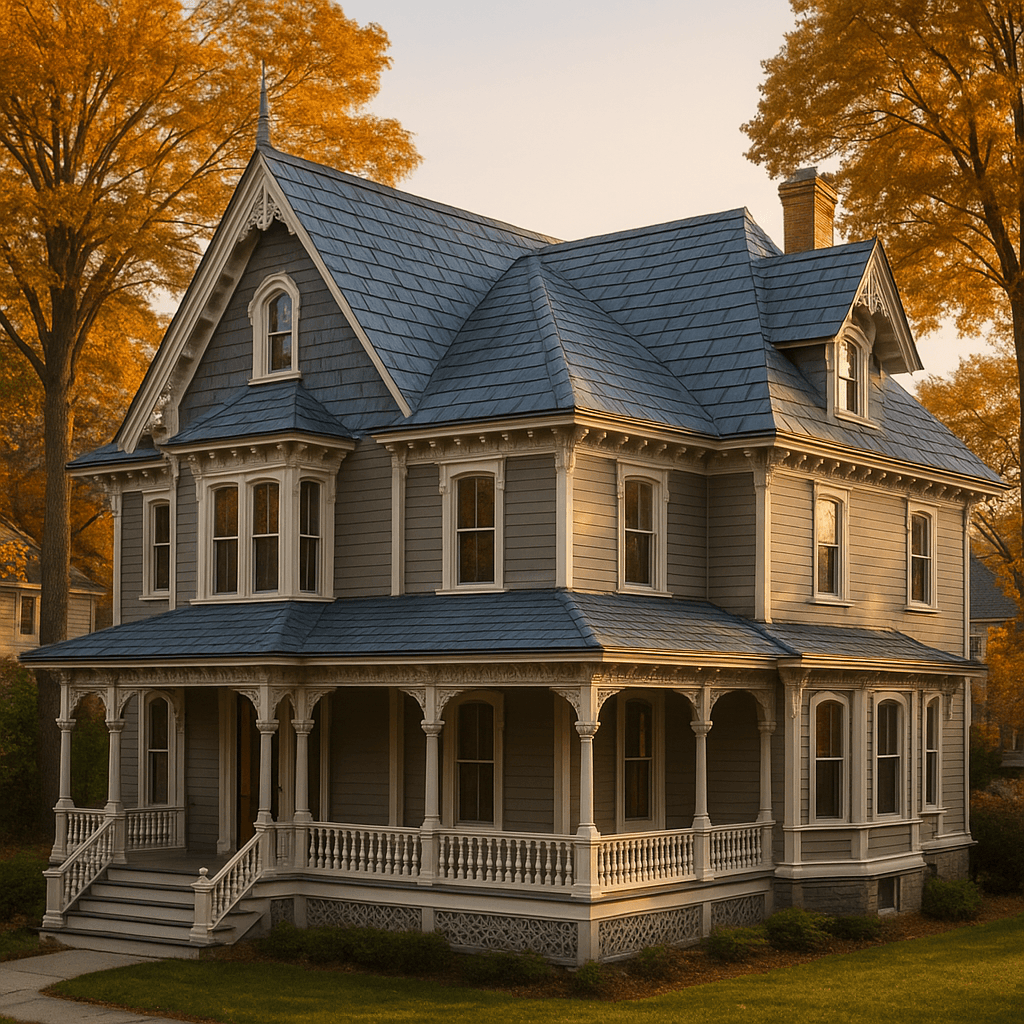
#1: Natural Slate
The quintessential Boston roofing material. Natural slate has protected Beacon Hill and Back Bay brownstones for over 200 years. Required by the Boston Landmarks Commission for many historic district properties, slate provides century-long protection while preserving the city's architectural heritage. Vermont and Pennsylvania slate are most common.
Best For:
Historic brownstones, Victorians
Lifespan:
75-100+ years
Cost Range:
$35,000 - $55,000
Wind Rating:
110+ mph
#2: Copper Roofing
Boston's traditional prestige roofing material, visible on historic churches, institutions, and high-end Beacon Hill residences. Copper develops its iconic green patina over 20-30 years and is highly resistant to salt air corrosion, making it ideal for coastal Boston properties. Often required for historic accents and gutters.
Best For:
Beacon Hill, institutional buildings
Lifespan:
80-100+ years
Cost Range:
$40,000 - $75,000
Wind Rating:
140+ mph
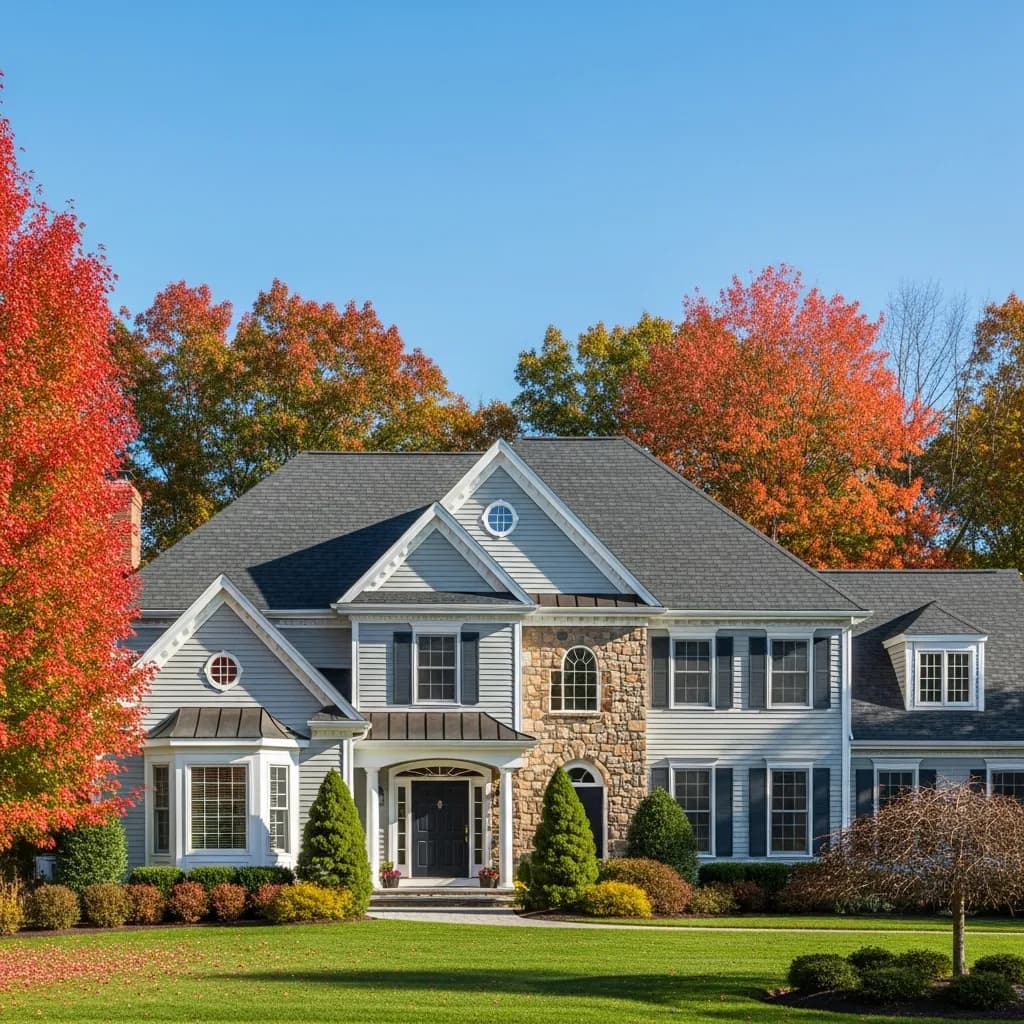
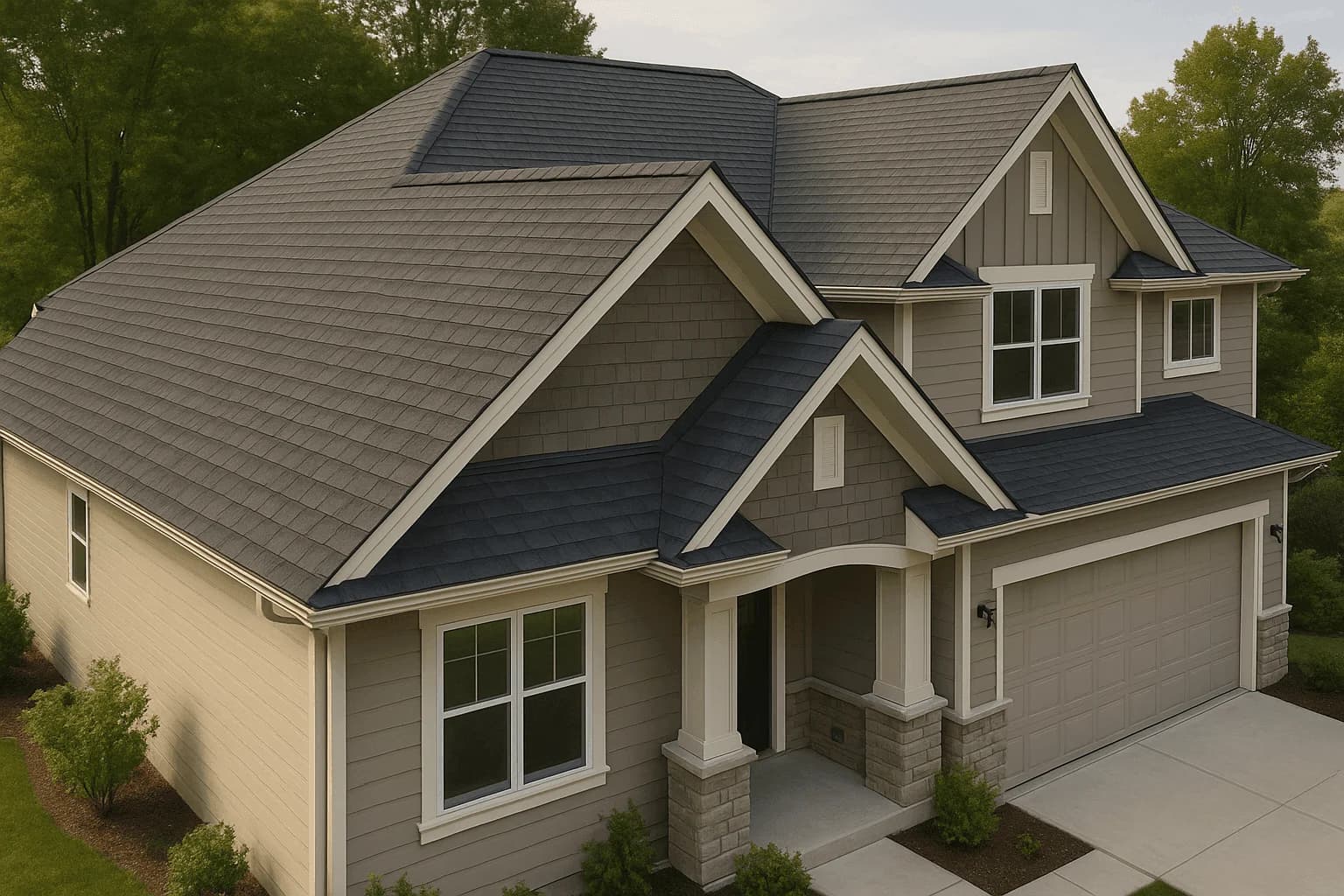
#3: Architectural Shingles
The most popular choice for Boston homes outside historic districts. Premium architectural shingles offer excellent protection against nor'easters, freeze-thaw cycles, and ice dams while providing a dimensional appearance at a fraction of slate costs. Handles heavy snow loads effectively.
Best For:
Most Boston neighborhoods
Lifespan:
25-30 years
Cost Range:
$10,000 - $18,000
Wind Rating:
110-130 mph
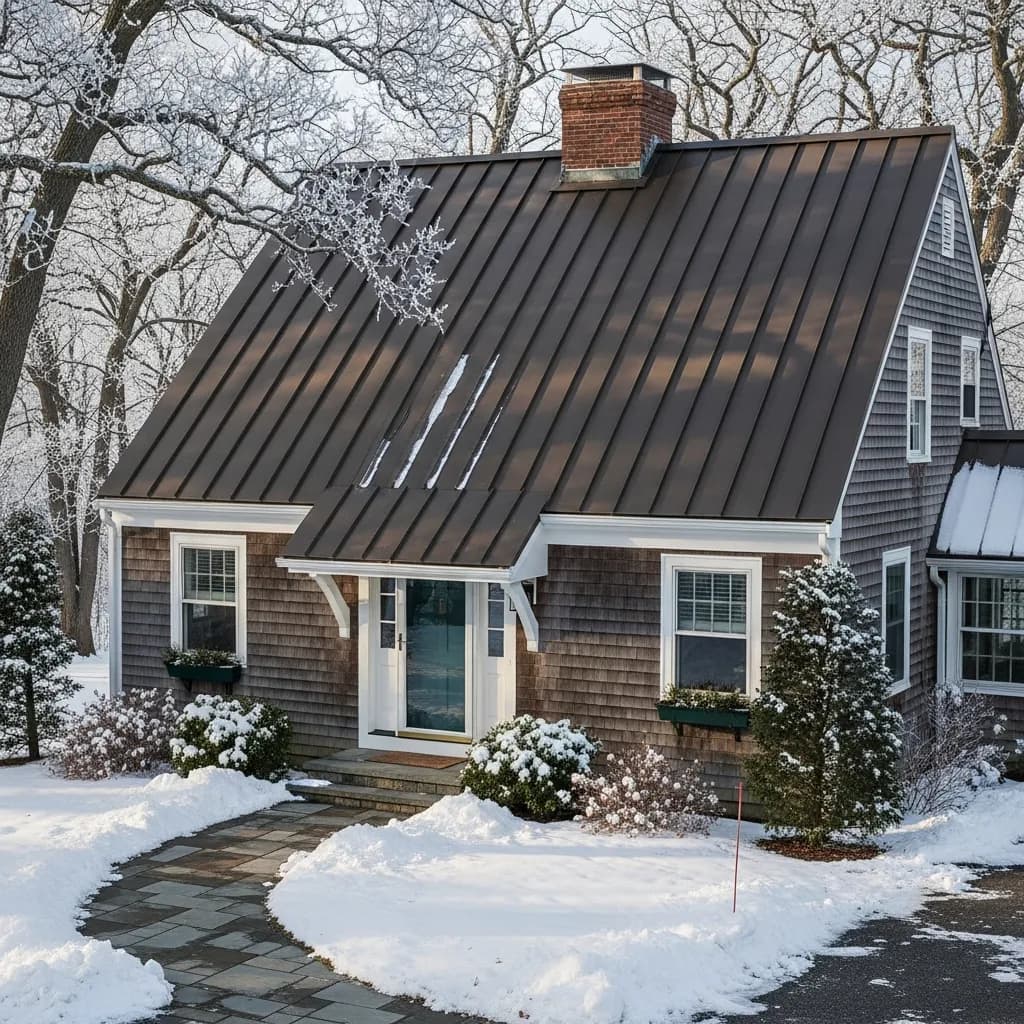
Standing Seam
#4: Standing Seam Metal
Increasingly popular for Boston homes seeking superior snow shedding and ice dam prevention. Standing seam metal handles nor'easters exceptionally well with 140+ mph wind ratings. The smooth surface prevents snow accumulation and ice dam formation. Excellent for steep-pitched New England colonials.
Best For:
Snow country, modern homes
Lifespan:
40-70 years
Cost Range:
$18,000 - $35,000
Wind Rating:
140+ mph
Flat Roof Systems
#5: EPDM Rubber Roofing
The standard for Boston's iconic triple-deckers and flat-roofed row houses. EPDM rubber provides excellent waterproofing, handles temperature extremes, and offers cost-effective long-term protection. TPO is an alternative with improved energy efficiency. Modified bitumen provides enhanced durability for high-traffic roofs.
Best For:
Triple-deckers, flat roofs
Lifespan:
20-25 years
Cost Range:
$8,000 - $15,000
Best Feature:
Excellent waterproofing
Boston Average Roof Cost: $10,000 - $35,000 for a typical home. Historic district properties with slate requirements may range $35,000-$55,000. Get your exact price with a free instant quote.
Boston Roofing Services
Complete Roof Replacement
Full tear-off and replacement with new materials, ideal for aging roofs or storm damage
Historic Preservation
Historic Slate & Copper Restoration
Beacon Hill, Back Bay, and South End approved materials and methods
Storm Damage Repair
Nor'easter & Emergency Repairs
Fast response for ice dam damage, wind damage, and coastal storm repairs
Flat Roof Systems
Triple-Decker & Commercial Flat Roofing
EPDM, TPO, and modified bitumen for Boston's iconic triple-deckers
Current Boston Roofing Material Prices
Boston Roofing Cost Factors
Roofing costs in Boston are 15-20% higher than national averages due to the city's premium urban market, historic requirements, and coastal climate challenges:
Average Total Cost: $10,000 - $35,000 for a typical Boston home. Historic district properties average $35,000 - $55,000 for slate. Get an exact quote for your specific property in minutes.
Boston Triple-Decker Roofing Guide
Boston's iconic triple-deckers represent a unique roofing challenge. These three-story multi-family homes, built primarily between 1880-1930 to house immigrant workers, feature flat or low-slope roofs that require specialized knowledge. Found throughout Dorchester, South Boston, Jamaica Plain, and Roxbury, triple-deckers house thousands of Boston families.
Common Triple-Decker Roofing Issues
- - Ponding water on flat sections
- - Ice dam formation at roof edges
- - Deteriorating rubber membrane
- - Flashing failures around skylights
- - Poor drainage causing leaks
- - Inadequate insulation leading to heat loss
- - Multi-owner coordination challenges
Recommended Solutions
- - EPDM or TPO membrane systems
- - Proper tapered insulation for drainage
- - Metal edge flashing for ice dam prevention
- - Enhanced roof drains and scuppers
- - Rigid insulation for energy efficiency
- - Cool roof coatings for summer heat reduction
- - Professional project management
Multi-Unit Consideration: Triple-decker roofing projects often involve coordination among multiple unit owners or a condo association. Our contractors are experienced with multi-party projects and can help facilitate communication, cost-sharing arrangements, and ensure all units are protected equally.
Why Boston Homeowners Choose RoofVista

Screened MA Contractors
Written Scope Comparison
Boston Neighborhoods We Serve
Back Bay
- - Commonwealth Avenue
- - Newbury Street Area
- - Boylston Street
- - Copley Square
- - Historic brownstones
Beacon Hill
- - Charles Street
- - Louisburg Square
- - Mt. Vernon Street
- - Pinckney Street
- - Historic Federal homes
South End
- - Tremont Street
- - Washington Street
- - Harrison Avenue
- - Victorian row houses
- - SoWa District
Jamaica Plain
- - Jamaica Pond
- - Centre Street
- - Forest Hills
- - Egleston Square
- - Victorian homes
Dorchester
- - Savin Hill
- - Fields Corner
- - Uphams Corner
- - Ashmont
- - Triple-deckers
Charlestown
- - Monument Square
- - Navy Yard
- - Main Street
- - Thompson Square
- - Historic row houses
Allston-Brighton
- - Allston Village
- - Brighton Center
- - Cleveland Circle
- - Oak Square
- - Student housing
Roxbury
- - Fort Hill
- - Dudley Square
- - Highland Park
- - Mission Hill
- - Victorian properties
South Boston
- - Broadway
- - City Point
- - Andrew Square
- - Seaport adjacent
- - Triple-deckers
West Roxbury
- - Centre Street
- - Spring Street
- - Single-family homes
Hyde Park
- - Cleary Square
- - Readville
- - Residential areas
East Boston
- - Maverick Square
- - Eagle Hill
- - Waterfront homes
Frequently Asked Questions About Boston Roofing
How much does a roof replacement cost in Boston, MA?
Roof replacement in Boston typically costs between $10,000 and $35,000 for a standard home, though prices vary significantly based on several factors. As Massachusetts' state capital and Suffolk County seat with a population of over 675,000, Boston features incredibly diverse housing stock from historic Beacon Hill brownstones built in the 1800s to Dorchester triple-deckers to modern Seaport construction. Each requires different roofing approaches and materials. The city's harsh winters with approximately 48 inches of snow annually, combined with coastal exposure to nor'easters and salt air from Boston Harbor, necessitate premium materials rated for heavy snow loads and ice dam prevention. Boston's higher labor costs (15-20% above national average) and strict building codes also contribute to pricing. Historic district properties in Beacon Hill, Back Bay, or South End requiring slate or copper roofing may range $35,000-$55,000 or higher, while standard architectural shingle installations on smaller homes might start around $10,000. Triple-decker flat roof replacements typically range $8,000-$15,000 per unit.
What roofing materials are best for Boston's climate?
Boston's unique combination of heavy snowfall, coastal nor'easters, salt air exposure, and freeze-thaw cycles demands careful material selection based on property location and district requirements. Natural slate is the gold standard for historic districts, having protected Boston homes since colonial times. Slate provides century-long protection with period-appropriate appearance required by the Boston Landmarks Commission for Beacon Hill and Back Bay. Architectural shingles remain the most popular choice for non-historic neighborhoods, offering 25-30 year protection with excellent performance against temperature extremes. Standing seam metal roofing has become increasingly popular for its superior snow shedding capability, ice dam prevention, and 40-70 year lifespan - ideal for steep-pitched New England colonials. Copper roofing, while expensive ($40,000-$75,000), provides exceptional longevity and develops Boston's characteristic green patina over time. For Boston's iconic triple-deckers with flat roofs, EPDM rubber or TPO membrane systems provide excellent waterproofing. All installations should include enhanced underlayment, proper ridge and soffit ventilation, and ice and water shield on all roof edges.
What are Boston's historic district roofing requirements?
Boston has 12 designated historic districts with some of the strictest preservation requirements in the United States, established to protect the city's 400-year architectural heritage since its founding in 1630. Beacon Hill, established in 1955 as Massachusetts' first historic district, requires natural slate roofing in approved colors only - typically black, gray, or weathered green. No synthetic alternatives are permitted on visible surfaces. Most Beacon Hill properties also require copper gutters and flashing. Back Bay, designated in 1966, mandates period-appropriate materials for all Victorian-era brownstones, typically natural slate or copper on visible surfaces with specific color requirements. Modern materials are prohibited on street-visible surfaces, though flat rear roof sections may have more flexibility. South End, established in 1983, requires maintaining Victorian architectural character with approved materials. All visible exterior changes in any historic district require approval from the Boston Landmarks Commission before work begins. The approval process typically adds 2-4 weeks to project timelines and requires detailed material specifications, color samples, and installation methods. Our network contractors are experienced with Landmarks Commission procedures and can guide homeowners through the approval process efficiently.
How long does a roof replacement take in Boston?
Most Boston roof replacements using architectural shingles are completed in 2-4 days for a typical residential property. However, several factors can affect this timeline significantly. The age and condition of the existing roof matters - older homes may require decking repairs or structural reinforcement before new roofing can be installed. The complexity of the roof design is another factor, as Victorian homes in Back Bay or Jamaica Plain often have steeper pitches, multiple dormers, turrets, and intricate details that require additional time. Urban access challenges in neighborhoods like the North End, Beacon Hill, and parts of South Boston may add time for material staging and equipment positioning due to narrow streets and limited parking. Historic slate or copper installations typically require 5-10 days due to the precision required, weight of materials, and need for specialized craftsmen. Triple-decker flat roof replacements usually take 2-4 days per unit. Properties requiring Boston Landmarks Commission approval should factor in 2-4 weeks for the review process before work can begin. Boston's prime roofing season runs from April through November, and scheduling during this window ensures optimal installation conditions.
How do nor'easters affect Boston roofs?
Boston experiences 3-5 major nor'easters annually, typically between October and April. These powerful coastal storms bring sustained winds of 60-80+ mph, heavy snow accumulation (sometimes 12-24+ inches in a single storm), wind-driven rain, and occasional coastal flooding that severely test roofing systems. The combination of high winds and precipitation creates unique challenges: wind can lift shingles and drive rain under roofing materials, while rapid temperature changes cause ice dam formation. Boston's position on Massachusetts Bay means salt-laden air during storms accelerates corrosion of fasteners and flashing. The city's historic neighborhoods are particularly vulnerable due to older construction methods and aging materials. Proper nor'easter protection requires high wind-rated materials (110+ mph minimum), six-nail installation patterns for shingles, enhanced ice and water shield coverage extending 3+ feet up from all eaves, stainless steel or copper fasteners, and properly sealed flashing at all penetrations. Following major storms, our emergency response teams provide rapid assessment and temporary protection to prevent water damage until permanent repairs can be completed.
What permits are required for Boston roof replacement?
All roof replacements in Boston require a building permit from the Inspectional Services Department (ISD). Permit fees typically range from $100-400 based on project scope and property value assessment. The permit process ensures your new roof meets Massachusetts building code requirements including minimum 40 lbs/sq ft snow load capacity, ice dam prevention measures, and proper fire rating. Applications can be submitted online through the Boston ISD portal. Properties located in any of Boston's 12 historic districts - including Beacon Hill, Back Bay, South End, Bay Village, Charlestown Navy Yard, and others - require additional approval from the Boston Landmarks Commission before ISD permits are issued. This separate process requires submission of material specifications, color samples, manufacturer documentation, and detailed installation methods for architectural review. Landmarks approval typically takes 2-4 weeks depending on complexity and meeting schedules. Some projects may require a hearing before the commission. Our network contractors handle all permitting requirements as part of their service, from initial application through final inspection, ensuring your project meets all Boston and Massachusetts requirements.
Nearby Cities We Serve
Get Your Boston Roof Quote in Minutes
Enter your address to compare instant quotes from pre-vetted Massachusetts contractors who understand historic Boston roofing challenges