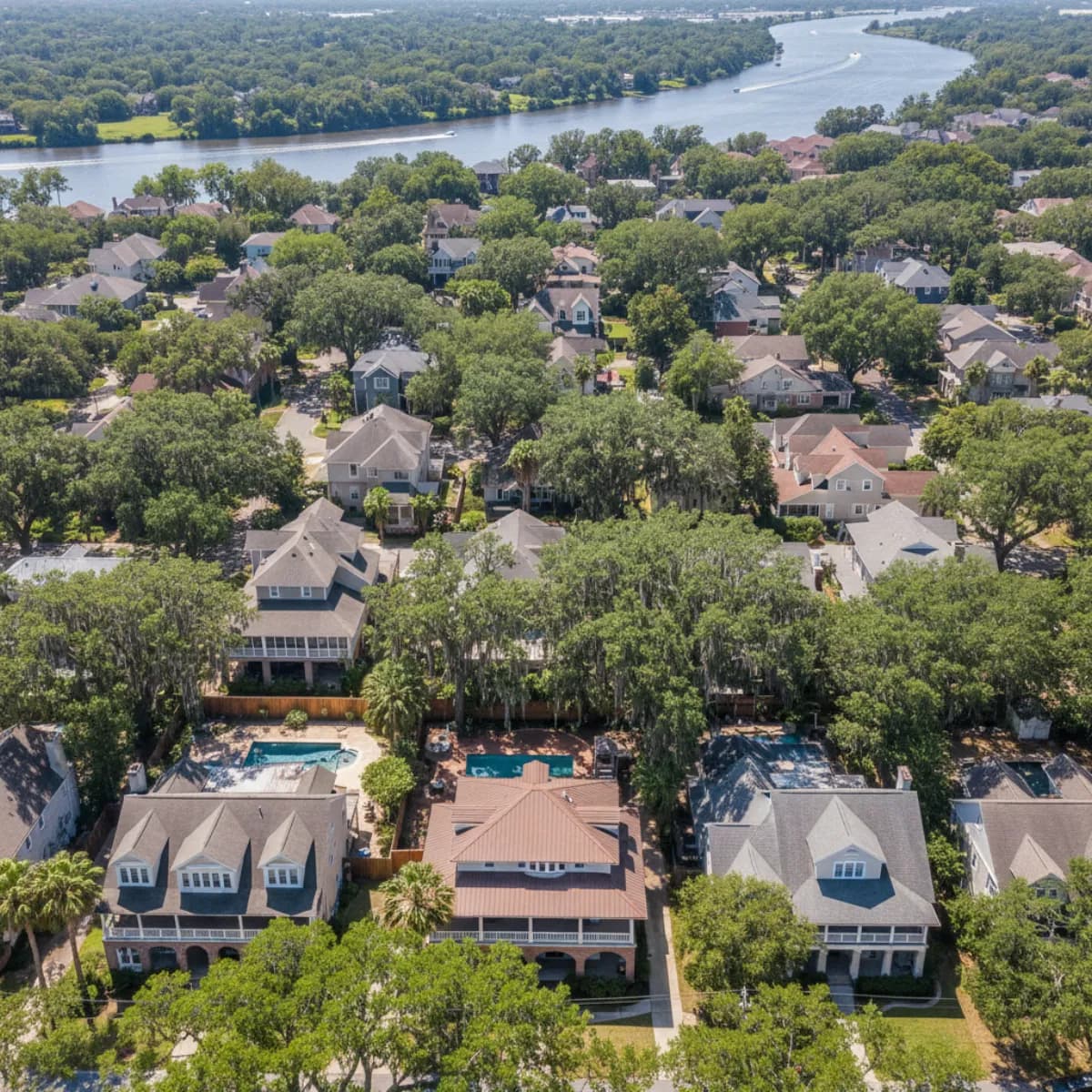
Largest City by Area in the Contiguous US
Instant Roof Replacement Quotes in Jacksonville, FL
Spanning 875 square miles across Duval County, Jacksonville is the largest city by area in the contiguous United States. From riverside homes in San Marco and Avondale to beachfront properties at Jacksonville Beach and Ponte Vedra, get instant quotes from pre-vetted Florida contractors who understand North Florida's unique combination of hurricane risk, river flooding, and seasonal climate.
Free Quotes
no obligations ever
Contractor Bids
standardized scope comparison
Until You Choose
no spam, no lead resale
FL Contractors
licensed, insured, reviewed
Jacksonville at a Glance
Population
Most populous in Florida
Square Miles
Largest city by area (contiguous US)
Major Hurricanes
Matthew (2016), Irma (2017)
Permit Cost
Duval County re-roof permits
Wind Zone Rated
Florida Building Code compliance
Annual Rainfall
Heavy summer thunderstorms
Roofing Challenges Unique to Jacksonville
Jacksonville occupies a unique position in the Florida roofing landscape. Unlike South Florida's year-round tropical conditions, North Florida experiences genuine seasons with occasional freezing temperatures in winter and summer heat that rivals anywhere in the state. Combined with direct Atlantic hurricane exposure, St. Johns River flooding, and the sheer geographic sprawl of the city, Jacksonville homeowners face a distinctive set of roofing challenges that require contractors with specific regional expertise.
! Hurricane & Tropical Storm Risk
Jacksonville's northeast Florida coastline puts it directly in the path of Atlantic hurricanes tracking up the coast. Hurricane Matthew (2016) brought sustained winds over 75 mph and catastrophic storm surge, while Irma (2017) caused widespread flooding across the metro. The city's coastal exposure from Jacksonville Beach to Mayport means high wind ratings are essential, not optional. Even inland neighborhoods like Mandarin and Arlington experienced significant roof damage from both storms.
- - FBC wind-rated installation required throughout Duval County
- - Coastal areas rated for 150+ mph wind speeds
- - Enhanced nail patterns and adhesive strips
- - Hurricane season: June 1 through November 30
# St. Johns River Flooding
The St. Johns River is one of the few rivers in the United States that flows north, making it uniquely vulnerable to storm surge from hurricanes pushing water upstream. During Matthew, the river reached record flood stages, inundating neighborhoods along its banks. Riverside, Avondale, San Marco, and parts of Mandarin experienced extensive flooding. While flooding primarily affects lower stories, prolonged moisture exposure damages roof structures from below through humidity infiltration and mold growth in attic spaces.
- - North-flowing river amplifies storm surge effects
- - Riverside and San Marco especially vulnerable
- - Proper attic ventilation prevents moisture damage
- - Ridge vents and soffit vents essential in flood zones
= North Florida Seasonal Climate
Unlike Miami or Fort Lauderdale, Jacksonville experiences genuine seasons. Summer highs regularly reach 95 degrees F with intense humidity and near-daily thunderstorms dropping heavy rainfall. Winter temperatures occasionally dip below freezing, a rarity in South Florida. This temperature cycling - from near-freezing to 95+ degrees - causes thermal expansion and contraction that stresses roofing materials more than the stable warmth of South Florida. Jacksonville averages about 50 inches of rain annually, much of it falling in intense summer downpours.
- - Temperature range: occasional freezing to 95+ degrees F
- - 50 inches annual rainfall with intense summer storms
- - Thermal cycling stresses shingle adhesion
- - Higher humidity accelerates algae and moss growth
~ Coastal Salt Air & Wind Exposure
Jacksonville Beach, Neptune Beach, Atlantic Beach, and Ponte Vedra face constant salt air exposure that accelerates corrosion on metal fasteners, flashing, and roofing components. Properties within a few miles of the ocean experience measurably faster material degradation than inland homes. Persistent onshore winds add to the wear, requiring higher wind-rated installations and corrosion-resistant hardware for coastal properties throughout the beaches corridor.
- - Stainless steel or hot-dipped galvanized fasteners required
- - Salt air corrodes standard metal components in 5-10 years
- - Higher wind ratings for oceanfront and near-ocean properties
- - Galvalume or aluminum preferred over steel for metal roofs
Jacksonville Roof Replacement Cost by Material
Jacksonville roofing costs are significantly more affordable than South Florida markets like Miami, Fort Lauderdale, and Palm Beach. Lower labor rates ($45-$70/hour compared to $70-$100+ in South Florida), simpler Duval County permitting, and less stringent wind zone requirements for inland areas keep costs reasonable. However, coastal properties and homes requiring the highest FBC wind ratings will pay a premium for materials and installation methods that meet those standards.
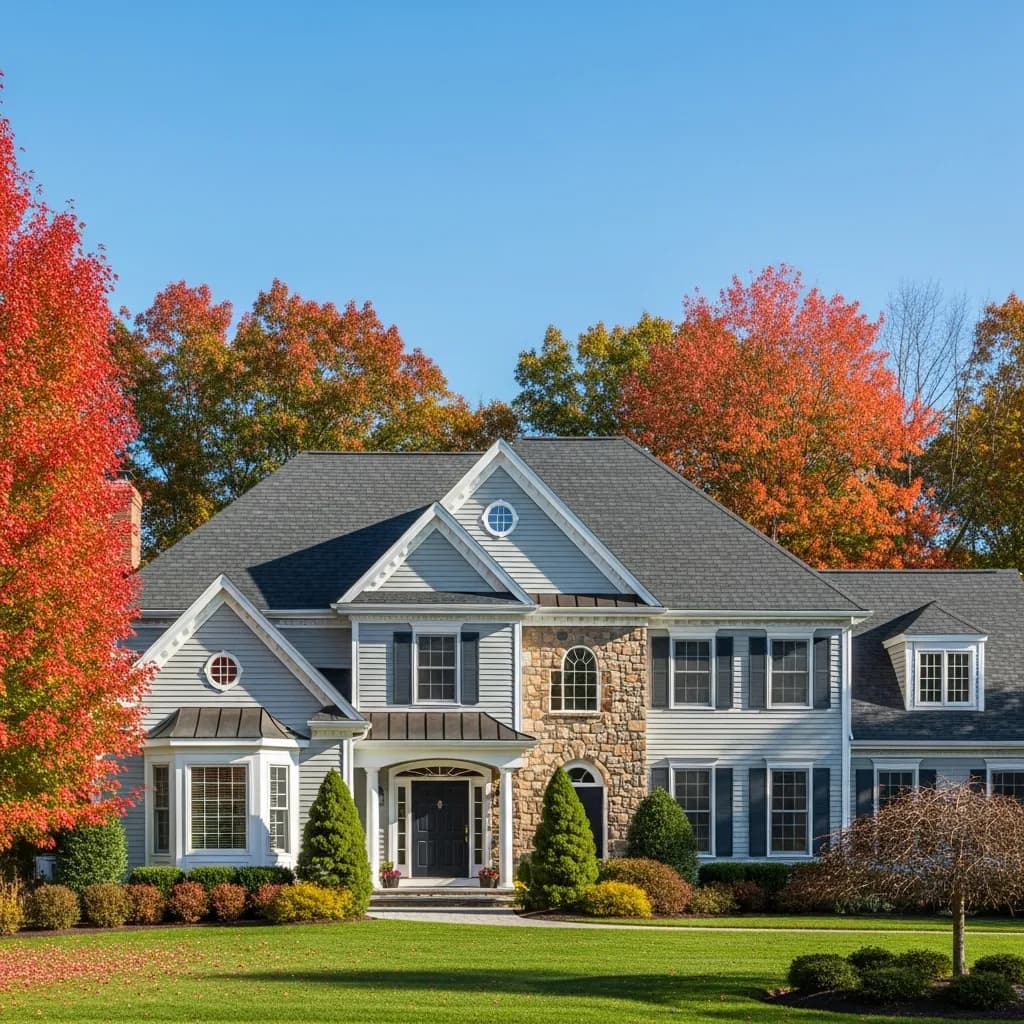
#1: Architectural Shingles (Most Popular)
The dominant roofing material across Jacksonville, architectural shingles account for roughly 70% of residential roof replacements in Duval County. Modern wind-rated architectural shingles carry 110-130 mph ratings that satisfy FBC requirements for most inland Jacksonville neighborhoods. These shingles handle North Florida's temperature cycling well and offer excellent value for the region's more affordable housing market. Algae-resistant varieties are recommended given Jacksonville's humidity.
Best For:
Most Jacksonville homes, best value
Lifespan:
25-30 years
Cost Range:
$8,000 - $18,000
Wind Rating:
110-130 mph (FBC approved)
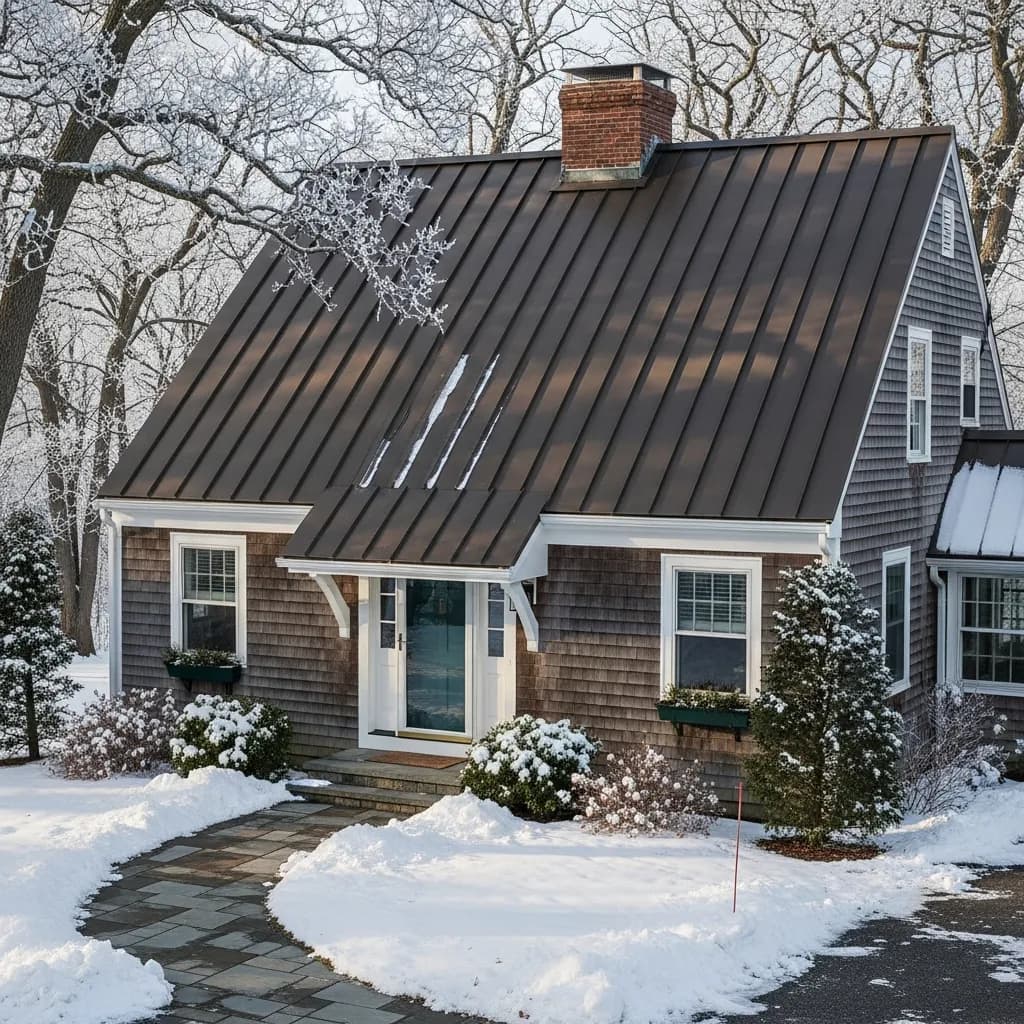
#2: Standing Seam Metal
Rapidly gaining popularity across Jacksonville, standing seam metal roofing offers the best hurricane performance of any residential material. Metal panels interlock to resist wind uplift at speeds exceeding 150 mph, making them ideal for coastal properties at Jacksonville Beach, Ponte Vedra, and Neptune Beach. Metal handles Jacksonville's heavy summer downpours by shedding water instantly, and its 40-50 year lifespan means homeowners may never need another roof. Galvalume or aluminum panels are recommended for coastal locations to resist salt air corrosion.
Best For:
Coastal homes, hurricane protection
Lifespan:
40-50 years
Cost Range:
$18,000 - $35,000
Wind Rating:
150+ mph (superior performance)
Concrete & Clay Tile
#3: Concrete & Clay Tile
While less common in Jacksonville than South Florida, tile roofing is found throughout upscale communities including Ponte Vedra Beach, Ortega, San Jose, and parts of San Marco. Concrete and clay tile provide exceptional longevity (50-75 years) and strong wind resistance when properly installed with mechanical fasteners and foam adhesive. Tile adds a distinctive Mediterranean or Spanish aesthetic that complements Jacksonville's historic and luxury neighborhoods. The higher weight requires structural verification before installation.
Best For:
Upscale homes, Ponte Vedra, Ortega
Lifespan:
50-75 years
Cost Range:
$30,000 - $45,000
Consideration:
Structural verification required
Impact-Resistant Shingles
#4: Impact-Resistant Shingles (Class 4)
An increasingly popular upgrade for Jacksonville homeowners looking to reduce insurance premiums while maintaining the affordable price point of shingle roofing. Class 4 impact-resistant shingles are tested to withstand 2-inch hail impacts and carry enhanced wind ratings. Many Florida insurers offer 15-25% premium discounts for Class 4 rated roofing, which can offset the higher upfront cost within a few years. These shingles are particularly practical for Jacksonville's inland neighborhoods where hail from severe thunderstorms is an occasional risk.
Best For:
Insurance savings, storm protection
Lifespan:
30-35 years
Cost Range:
$12,000 - $22,000
Insurance Benefit:
15-25% premium reduction
Jacksonville Average Roof Cost: Architectural shingles $8,000-$18,000. Metal $18,000-$35,000. Tile $30,000-$45,000. Impact-resistant shingles $12,000-$22,000. Jacksonville costs run 20-30% below South Florida markets. Coastal properties pay 10-15% more for higher wind ratings. Get your exact price with a free instant estimate.
Jacksonville Building Requirements
Important Local Regulations
Duval County Permits
Jacksonville's consolidated city-county government means the Duval County Building Inspection Division handles all roofing permits for Jacksonville proper. Permit fees range from $150-$400 depending on project scope. Applications can be submitted online through the City of Jacksonville permitting portal. Standard processing takes 1-2 weeks. Multiple inspections are required including underlayment inspection and final inspection after completion. Failure to obtain permits can result in fines and complications during property sale.
Florida Building Code (FBC) Wind Zone Requirements
All roofing materials and installation methods in Jacksonville must comply with the Florida Building Code, which specifies wind speed requirements based on geographic location within the county. Coastal areas (Jacksonville Beach, Neptune Beach, Atlantic Beach, Ponte Vedra) fall in higher wind speed zones requiring materials rated for 140-150+ mph. Inland neighborhoods may have somewhat lower requirements but still must meet FBC minimums. All materials must carry FBC product approval numbers, and installation must follow manufacturer high-wind specifications.
Beach Community Permitting
Jacksonville Beach, Neptune Beach, and Atlantic Beach are independent municipalities with their own building departments and permitting processes. These coastal communities often have additional requirements including higher wind ratings, specific underlayment specifications, and stricter inspection protocols. Homeowners in these areas should confirm permit requirements with their specific municipality rather than assuming Duval County standards apply.
Florida Contractor Licensing
Florida requires all roofing contractors to hold either a state Certified Roofing Contractor license (CCC prefix) or a county Registered Roofing Contractor license. State-certified contractors can work in any Florida county. Licensed contractors must carry a minimum $300,000 in general liability insurance and workers' compensation coverage. Verify any contractor's license at myfloridalicense.com through the Department of Business and Professional Regulation (DBPR).
Roof Replacement Triggers
Under Florida law (SB 76, effective 2022), if more than 25% of a roof is repaired, replaced, or recovered within any 12-month period, the entire roof system must be brought up to current FBC standards. This "25% rule" means that significant storm damage repairs may trigger a full code-compliant roof replacement, affecting material choices and overall project cost.
Jacksonville Neighborhoods We Serve
Covering 875 square miles, Jacksonville is the largest city by area in the contiguous United States. Our pre-vetted contractors serve every neighborhood across this sprawling metro, from the historic riverside communities along the St. Johns to the beaches corridor and rapidly growing suburbs. Each area has unique roofing considerations based on its proximity to the coast, the river, and its architectural character.
Riverside & Avondale
- - Historic early 1900s architecture
- - Bungalows and Prairie-style homes
- - St. Johns River flood exposure
- - Mature tree canopy affects debris load
- - Mix of shingle and metal roofing
San Marco
- - Mediterranean and Spanish Revival homes
- - Some tile roofs preserving historic character
- - River-adjacent flooding risk
- - Established neighborhood with mature canopy
- - Mix of mid-century and historic architecture
Mandarin
- - Large suburban homes (1980s-2000s)
- - Predominantly architectural shingles
- - Some St. Johns River flood zones
- - Popular military family neighborhood
- - HOA-governed subdivisions common
Jacksonville Beach & Neptune Beach
- - Highest wind zone ratings required
- - Salt air corrosion demands special hardware
- - Separate municipal permitting
- - Metal roofing increasingly popular
- - Coastal construction setback requirements
Ponte Vedra
- - Upscale homes and luxury estates
- - Tile and premium metal roofing common
- - TPC Sawgrass and Nocatee communities
- - Strict HOA material and color requirements
- - Coastal wind zone construction standards
Southside & Baymeadows
- - Mix of 1970s-1990s construction
- - Commercial and residential blend
- - Standard FBC inland wind requirements
- - Many aging roofs approaching replacement
- - Affordable replacement costs
Arlington
- - Mid-century neighborhoods (1950s-1970s)
- - Fort Caroline historic area
- - Proximity to NAS Jacksonville operations
- - Mix of ranch and split-level homes
- - Budget-friendly replacement market
Ortega
- - Luxury riverfront estates
- - Historic homes with premium materials
- - Tile and slate roofing on older homes
- - Ortega River and St. Johns flood exposure
- - Higher-end replacement market
Westside & Orange Park
- - NAS Jacksonville adjacent
- - Military family housing concentration
- - Affordable housing stock
- - Standard architectural shingle market
- - Growing new construction areas
Roofing for Jacksonville's Military Community
NAS Jacksonville, Naval Station Mayport & Military Families
Jacksonville is one of the largest military communities in the United States, with NAS Jacksonville, Naval Station Mayport, and several other installations supporting tens of thousands of active duty personnel and their families. The military presence shapes the local roofing market in important ways that homeowners should understand when planning a roof replacement.
PCS & Resale Considerations
- - New roof adds $10,000-$15,000 in resale value
- - Homes sell faster with roofs under 5 years old
- - VA loan inspections require functional, leak-free roofs
- - FHA appraisals flag roofs with visible deterioration
- - Plan replacement around PCS cycle for maximum benefit
Military-Friendly Benefits
- - Some contractors offer 5-10% military discounts
- - Sound-dampening underlayment near NAS flight paths
- - Financing options compatible with BAH budgets
- - Flexible scheduling around deployment timelines
- - Documentation provided for VA loan compliance
Insurance Considerations for Jacksonville Homeowners
Florida's Evolving Insurance Landscape
Florida's homeowners insurance market has experienced significant upheaval since 2020, with multiple carriers leaving the state or becoming insolvent. While Jacksonville's rates are lower than South Florida's, premiums have been rising steadily following Hurricanes Matthew and Irma. Understanding how your roof affects insurance costs is critical for making informed replacement decisions.
Roof Age & Insurance
- - Roofs under 10 years old qualify for lowest premiums
- - Roofs 10-15 years may face higher deductibles
- - Roofs over 15 years see significant premium increases
- - Florida law prohibits non-renewal solely based on age if roof passes inspection
- - Many homeowners replace roofs specifically to maintain affordable coverage
Premium Reduction Strategies
- - Impact-resistant (Class 4) shingles: 15-25% discount
- - Standing seam metal: favorable rating from most carriers
- - FBC-compliant installation: required for coverage
- - Wind mitigation inspection after replacement
- - Document all upgrades for insurance applications
Our pre-vetted contractors provide wind mitigation inspection reports after every installation, documenting the specific features that qualify your home for insurance discounts. This report alone can save Jacksonville homeowners hundreds of dollars annually on premiums.
Why Jacksonville Roofing Costs Less Than South Florida
Jacksonville homeowners benefit from a roofing market that is substantially more affordable than the South Florida corridor. Several factors contribute to this cost advantage, making roof replacement more accessible for Duval County residents.
Lower Labor Costs
Jacksonville roofing labor rates average $45-$70 per hour compared to $70-$100+ in Miami-Dade and Broward counties. The lower cost of living in North Florida translates directly to more affordable installation costs. Jacksonville's labor pool includes experienced crews from the broader Southeast who can travel to the area without the premium required for South Florida projects.
Simpler Permitting
Duval County's consolidated city-county government streamlines the permitting process compared to the multi-jurisdictional complexity of South Florida. Permit fees ($150-$400) are lower than Miami-Dade ($300-$800+), and processing times (1-2 weeks) are typically faster. The single permitting authority eliminates confusion about which jurisdiction's rules apply.
Inland Wind Zone Savings
While coastal Jacksonville properties face the same high wind zone requirements as other Florida coastal areas, much of Jacksonville's sprawling inland territory falls in lower wind speed zones. This means less expensive materials and installation methods can be used for homes in Mandarin, Arlington, Westside, and other inland neighborhoods, saving 10-15% compared to coastal specifications.
Material Logistics
Jacksonville's position as a major logistics hub with one of the largest ports on the East Coast means roofing materials are readily available from regional distribution centers. Multiple supplier warehouses serve the Duval County market, keeping material costs competitive. The flat terrain throughout most of Jacksonville also simplifies delivery and staging compared to South Florida's more complex urban environments.
Frequently Asked Questions About Jacksonville Roofing
How much does a roof replacement cost in Jacksonville, FL?
Roof replacement in Jacksonville typically costs between $8,000 and $18,000 for architectural shingles on a standard home, making it significantly more affordable than South Florida markets. Standing seam metal roofs range from $18,000 to $35,000, while tile roofs in upscale neighborhoods like Ponte Vedra and Ortega run $30,000 to $45,000. Impact-resistant shingles fall in the $12,000-$22,000 range. Jacksonville's lower costs are driven by more affordable labor rates ($45-$70/hour compared to $70-$100+ in Miami-Dade), simpler Duval County permitting ($150-$400), and the availability of lower wind zone specifications for inland properties. However, coastal properties at Jacksonville Beach, Neptune Beach, and Ponte Vedra will pay 10-15% more for higher wind-rated materials and installation methods. Hurricane season demand (June through November) can extend scheduling and increase pricing due to contractor availability.
What are Jacksonville's hurricane roofing requirements?
Jacksonville falls within the Florida Building Code (FBC) wind zone map, which specifies required wind speed ratings based on a property's exact geographic location within Duval County. Coastal areas including Jacksonville Beach, Neptune Beach, Atlantic Beach, and Ponte Vedra require the highest wind ratings, with some zones mandating materials tested to 150+ mph. Inland areas like Mandarin, Arlington, and the Westside have somewhat lower requirements but still must meet FBC minimums. All roofing materials must carry FBC product approval numbers and must be installed per the manufacturer's high-wind installation specifications, which typically include enhanced nail patterns (6 nails per shingle instead of 4), adhesive strips, and specific underlayment requirements. Hurricane Matthew (2016) brought sustained winds exceeding 75 mph to the metro, and Irma (2017) caused widespread damage even though Jacksonville was not in the direct path. Both events demonstrated that FBC compliance is not just regulatory but essential for protecting Jacksonville homes.
What is the permit process for roof replacement in Jacksonville?
Jacksonville's consolidated city-county government simplifies permitting compared to many Florida metros. All roof replacements require permits through the Duval County Building Inspection Division, with fees typically ranging from $150 to $400 depending on project scope. Applications can be submitted online through the City of Jacksonville portal, and standard processing takes 1-2 weeks. Multiple inspections are mandatory: an underlayment inspection after the old roof is removed and new underlayment is installed, and a final inspection after completion. Properties in the independent beach communities (Jacksonville Beach, Neptune Beach, Atlantic Beach) have their own building departments with separate permitting processes that may include additional coastal construction requirements. Under Florida's 25% rule (SB 76), if more than 25% of a roof is repaired or replaced within any 12-month period, the entire roof must be brought up to current FBC standards, which can affect the scope and cost of storm damage repairs.
What roofing materials work best in Jacksonville's climate?
Jacksonville's North Florida climate is more seasonal than South Florida, creating unique demands on roofing materials. Summer temperatures regularly hit 95 degrees F with intense humidity and near-daily thunderstorms, while winter lows occasionally dip below freezing. This temperature range causes thermal expansion and contraction that stresses materials more than South Florida's stable warmth. Architectural shingles are the most popular choice (roughly 70% of installations), offering good wind resistance (110-130 mph) at an affordable price point. Algae-resistant varieties are strongly recommended given Jacksonville's humidity. Standing seam metal is rapidly gaining popularity for its superior hurricane performance (150+ mph), 40-50 year lifespan, and exceptional rain shedding during Jacksonville's heavy summer downpours. For coastal properties, Galvalume or aluminum metal panels resist salt air corrosion far better than standard steel. Tile roofing is found in upscale communities and offers 50-75 year longevity but requires structural verification due to its weight.
How do hurricanes affect roofing in Jacksonville?
Jacksonville's hurricane history includes significant direct impacts from Hurricane Matthew (2016) and Hurricane Irma (2017). Matthew tracked along the northeast Florida coast with sustained winds over 75 mph and caused record storm surge flooding along the St. Johns River, devastating neighborhoods including Riverside, San Marco, and Mandarin. Irma caused widespread inland flooding across the metro despite tracking up Florida's west coast. The city's location on the northeast Florida coast means it faces threats from both Atlantic hurricanes tracking up the coast and Gulf storms crossing the peninsula. Post-hurricane demand surges are severe, with contractor availability becoming extremely limited for 6-12 months following a major storm. Material prices also spike 15-30% during demand surges. Proactive roof replacement before hurricane season (June 1 through November 30) is strongly recommended, both for protection and to avoid post-storm pricing and scheduling delays.
How does St. Johns River flooding affect Jacksonville roofs?
The St. Johns River is one of the few rivers in the United States that flows north, a geographic quirk that makes Jacksonville uniquely vulnerable to storm surge. During hurricanes approaching from the south, storm surge pushes water northward up the river, amplifying flooding in communities along its banks. During Hurricane Matthew, the St. Johns reached record flood levels, inundating Riverside, Avondale, San Marco, and parts of Mandarin. While flooding primarily damages foundations, floors, and lower walls, it also affects roofing systems in subtle but important ways. Prolonged water exposure around a home creates extreme humidity that infiltrates attic spaces, promoting mold growth on roof decking and weakening structural rafters. Homes that have experienced flooding should have their attic spaces and roof structures inspected for hidden moisture damage. During any roof replacement in riverside neighborhoods, proper attic ventilation with ridge vents and soffit vents should be installed or upgraded to prevent future moisture-related damage. Our contractors are experienced with the specific challenges of Jacksonville's flood-prone riverside neighborhoods.
Are there military housing roofing considerations in Jacksonville?
Jacksonville is one of the largest military communities in the United States, with NAS Jacksonville, Naval Station Mayport, and other installations. Military families living off-base in neighborhoods like Mandarin, Orange Park, Westside, and the Beaches area should factor PCS (permanent change of station) cycles into roofing decisions. A new roof can increase resale value by $10,000-$15,000 and significantly reduce time on market when selling before a PCS move. VA loans require the roof to pass inspection without active leaks or missing materials. FHA appraisals similarly flag roofs with visible deterioration. Some Jacksonville roofing contractors offer military discounts of 5-10%, and many provide flexible scheduling that accommodates deployment timelines. Homes near NAS Jacksonville flight paths may benefit from sound-dampening underlayment installed during roof replacement, which can reduce noise from flight operations. Our pre-vetted contractors are experienced working with military families and can provide all documentation needed for VA and FHA loan compliance.
How does Jacksonville's insurance market affect roofing decisions?
Jacksonville homeowners insurance rates are lower than South Florida but have been rising steadily since Hurricanes Matthew and Irma. Florida's overall insurance market has experienced significant upheaval since 2020, with multiple carriers leaving the state or becoming insolvent. A newer roof (under 10 years old) can significantly reduce premiums, with some insurers offering 15-25% discounts for impact-resistant (Class 4) shingles or standing seam metal roofing. Florida law (Section 627.7011, Florida Statutes) prohibits insurers from refusing to write or renew policies solely based on roof age if the roof passes a qualified inspection, but a roof over 15 years old will typically face higher premiums and deductibles. Many Jacksonville homeowners are proactively replacing aging roofs specifically to maintain affordable insurance coverage. After any roof replacement, request a wind mitigation inspection report from your contractor, which documents specific wind-resistant features that qualify your home for additional insurance discounts. This report alone can save Jacksonville homeowners hundreds of dollars annually.
Florida Roofing Resources
Florida State Overview
All Florida roofing resources and city pages
Miami Roofing Quotes
Compare quotes in South Florida's largest market
Florida Roof Replacement Cost Guide
Detailed pricing for all FL regions and materials
Hurricane-Resistant Roofing in Florida
FBC wind zone requirements and material recommendations
Get Your Jacksonville Roof Quote in Minutes
Enter your address to compare instant quotes from pre-vetted Florida contractors who specialize in hurricane-rated roofing, FBC wind zone compliance, and North Florida weather protection