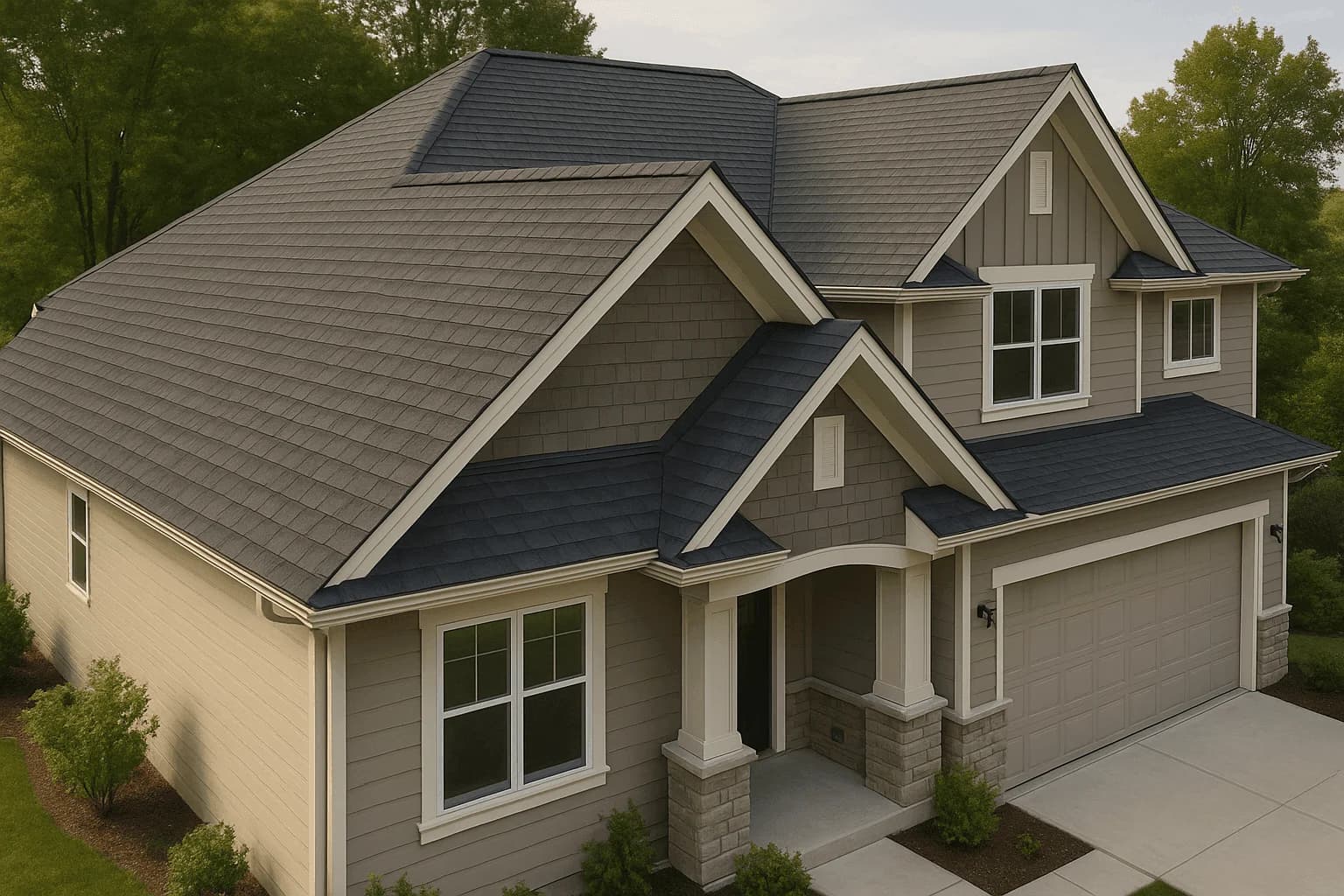
Instant Roof Replacement Quotes in San Francisco, CA
San Francisco's iconic Victorians, Edwardians, and fog-belt homes deserve expert protection. Get instant quotes from pre-vetted California contractors who understand steep pitches, seismic requirements, and the unique challenges of roofing in the City by the Bay.
Free Quotes
no obligations ever
Contractor Bids
standardized scope comparison
Until You Choose
no spam, no lead resale
CA Contractors
licensed, insured, reviewed
Why SF Homeowners Start Here
San Francisco roofing is too expensive to guess on
With the highest roofing costs in California, getting multiple standardized bids is not optional -- it's essential. RoofVista is a managed marketplace that lets you compare quotes on an equal footing. That matters in San Francisco, where steep Victorian pitches, seismic structural requirements, and tight-access logistics can make two roof quotes look similar even when they are not.
Compare the same scope
Review materials, ventilation, flashing, seismic considerations, cleanup, permit handling, and access logistics side by side before deciding.
Stay private longer
San Francisco homeowners can review options first instead of submitting a lead form and getting pushed by multiple contractors at once.
Screening before bids
Contractor participation is gated by California C-39 license verification, insurance checks, and reputation review -- critical for SF's high-value properties.
Advisor help when it gets technical
Use RoofVista when your project involves historic preservation review, seismic upgrades, complex Victorian geometry, or flat roof conversions.
Need Help Now?
Talk with RoofVista before you submit your address
If you want to understand fit, vetting, or what you will actually compare for a San Francisco project, start with an advisor conversation instead of guessing.
Roofing Challenges Unique to San Francisco
~ Fog & Moisture
San Francisco's marine layer and persistent fog blanket western neighborhoods like the Sunset, Richmond, and Outer Mission for months during summer. This constant moisture exposure causes moss growth, algae buildup, and accelerated wood rot on roof decking. Flat-roof areas face chronic ponding water issues without proper drainage systems.
- - Algae-resistant shingles with copper granules
- - Proper drainage and gutter systems essential
- - Enhanced attic ventilation to prevent condensation
* Victorian & Historic Architecture
San Francisco is home to over 44,000 Victorian and Edwardian buildings, many with steep gable pitches (8:12 to 12:12), turrets, dormers, and complex multi-plane roof systems. Historic preservation overlay zones in neighborhoods like Alamo Square, Haight-Ashbury, and Pacific Heights impose material restrictions. The specialized labor and extended installation time required for these intricate roofs is a major cost driver.
- - Specialized safety equipment for steep pitches
- - Historic preservation compliance required
- - Budget 30-50% more for complex geometries
= Seismic Requirements
San Francisco sits in a high seismic zone between the San Andreas and Hayward faults. Heavy roofing materials like concrete tile, clay tile, and natural slate add significant dead load to structures, requiring engineering verification before installation. The California Building Code mandates structural adequacy checks, and many older wood-frame homes in SF cannot support heavy materials without costly reinforcement.
- - Structural verification for heavy materials
- - Lightweight alternatives often preferred
- - Soft-story retrofit requirements for 5+ unit buildings
! Extreme Labor Costs & Access
San Francisco labor rates of $90-$120+ per hour are among the highest in the nation, reflecting the city's extreme cost of living. Beyond labor, tight lot lines in densely built neighborhoods like the Sunset and Richmond mean zero side-yard setbacks, forcing all material delivery through the front. Dumpster placement requires SFMTA parking permits. Steep hillside properties may require crane lifts for material staging. These access challenges add $1,500-$3,000+ to project costs.
- - Labor rates $90-$120+/hr (highest in CA)
- - SFMTA parking permits for dumpster placement
- - Crane lifts may be needed for hillside homes
San Francisco Roof Replacement Cost Breakdown
| Material | Cost Range | Lifespan | Best For |
|---|---|---|---|
| Architectural Shingles | $18,000 - $30,000 | 25-30 years | Sunset, Richmond, most neighborhoods |
| Standing Seam Metal | $28,000 - $50,000 | 40-70 years | Fog-belt homes, modern builds |
| Composite Slate | $25,000 - $45,000 | 40-50 years | Victorian/Edwardian homes, seismic zones |
| TPO Membrane (flat) | $15,000 - $25,000 | 20-30 years | SOMA, Mission flat-roof buildings |
| Natural Slate | $40,000 - $75,000 | 75-100+ years | Pacific Heights, Presidio Heights (structural verification required) |
| Clay Tile | $35,000 - $65,000 | 50-75 years | Spanish-style homes, Mission District (structural verification required) |
San Francisco Average Roof Cost: $20,000 - $45,000 for a typical home. Complex Victorian roofs and premium materials may exceed $50,000. Access logistics add $1,500-$3,000 in most neighborhoods. Get your exact price with a free instant quote.
San Francisco Building Requirements
Important Local Regulations
Building Permits (DBI)
All roof replacements require permits from the San Francisco Department of Building Inspection (DBI). Like-for-like replacements qualify for over-the-counter permits. Material changes or structural modifications require plan review. Permit fees range from $200-800.
Historic Preservation Overlay Zones
Properties in Article 10 (individual landmarks) or Article 11 (conservation districts) require Historic Preservation Commission review before exterior changes. Neighborhoods with significant historic resources include Alamo Square, Haight-Ashbury, Pacific Heights, and parts of the Mission.
California Title 24 Energy Standards
All roof replacements must comply with California's Title 24 energy efficiency standards. Low-slope roofs (2:12 or less) require cool roof products meeting minimum solar reflectance and thermal emittance values. Steep-slope roofs have separate requirements depending on climate zone.
Seismic Structural Requirements
Heavy roofing materials (concrete tile, clay tile, natural slate) require structural engineering verification under California Building Code. Many wood-frame Victorians cannot support heavy materials without reinforcement. Soft-story retrofit requirements affect buildings with 5+ units.
Lead & Asbestos Testing
Homes built before 1978 require lead paint and asbestos testing before roofing work begins. If hazardous materials are found, certified abatement is required, which can add $2,000-$5,000 to project costs. DBI requires documentation of testing and abatement.
Contractor Licensing
California requires a C-39 Roofing Contractor license from the Contractors State License Board (CSLB) for all roofing projects over $500. Workers compensation and general liability insurance are mandatory. San Francisco also requires a city business registration.
Most Popular Roofing Materials in San Francisco
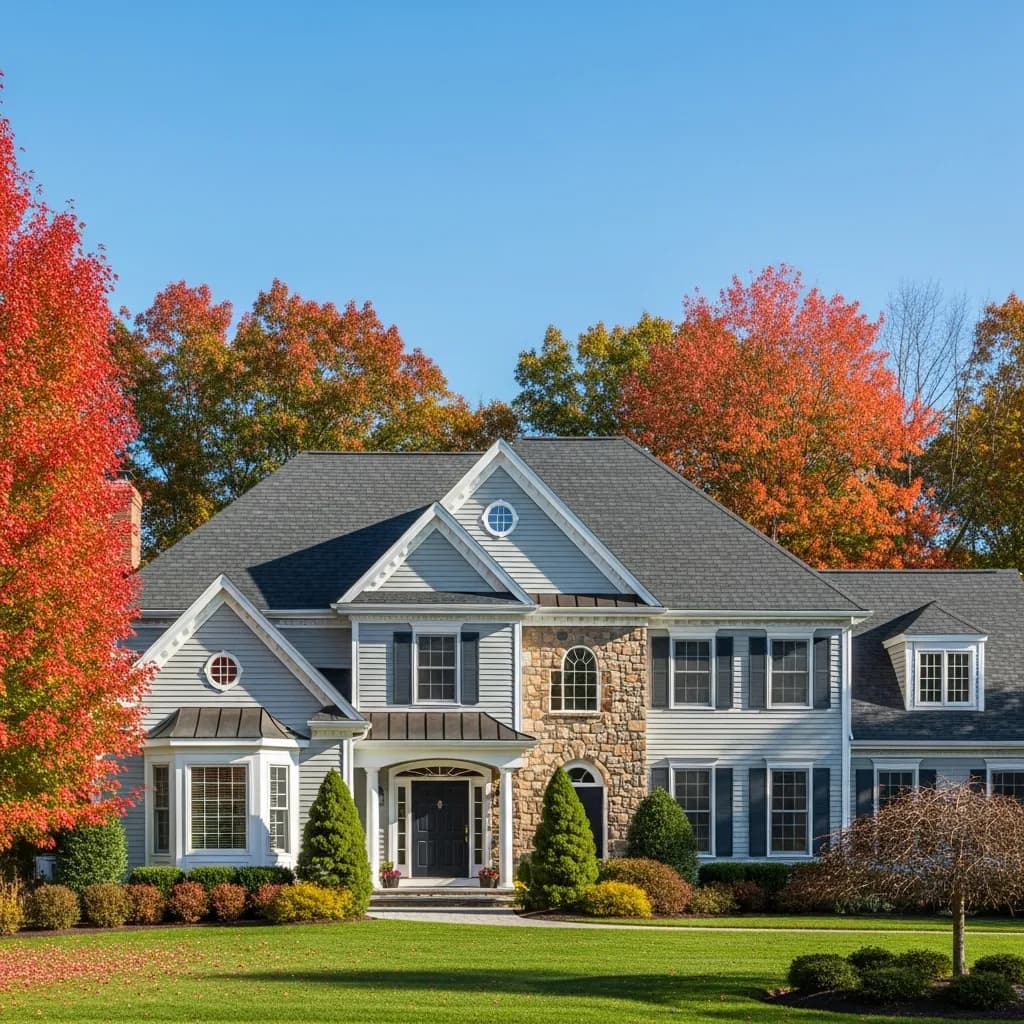
#1: Architectural Shingles
The most popular choice for San Francisco homes across all neighborhoods. Algae-resistant architectural shingles with copper granules combat the city's persistent fog and moisture while providing a dimensional appearance that complements Victorian and Edwardian facades. Lightweight enough for SF's seismic zone without requiring structural upgrades, and available in colors that match San Francisco's distinctive painted exteriors.
Best For:
Most SF neighborhoods
Lifespan:
25-30 years
Cost Range:
$18,000 - $30,000
Seismic Impact:
Lightweight -- no upgrades needed
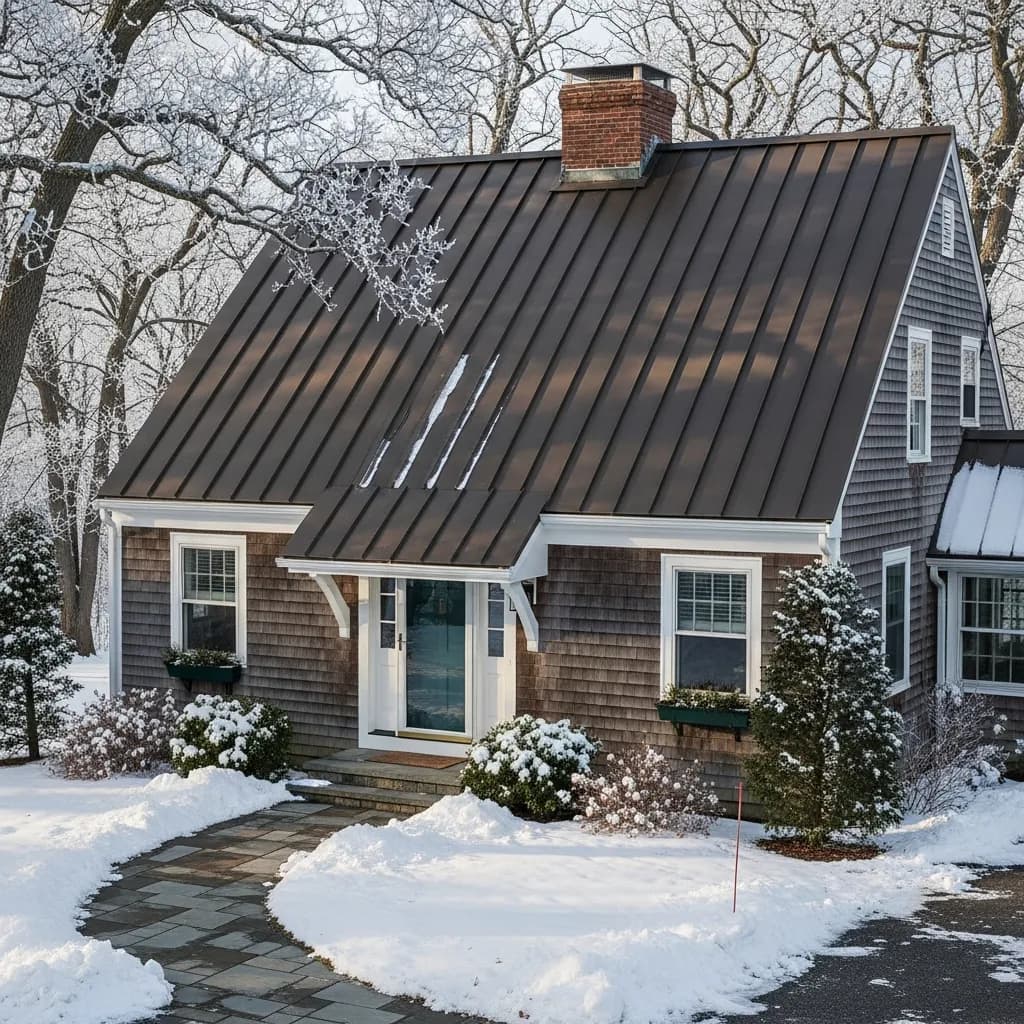
#2: Standing Seam Metal
Increasingly popular for San Francisco's fog-belt homes, standing seam metal roofing excels at shedding moisture and resisting the corrosive salt air from the Pacific. Its non-porous surface prevents moss and algae growth entirely, making it ideal for the Sunset, Richmond, and Outer Mission neighborhoods where fog is heaviest. Metal roofing also meets California Title 24 energy requirements with minimal additional insulation.
Best For:
Fog-belt homes, modern renovations
Lifespan:
40-70 years
Cost Range:
$28,000 - $50,000
Seismic Impact:
Lightweight -- no upgrades needed
Composite Slate
#3: Composite Slate
The ideal choice for San Francisco homeowners who want the elegant appearance of natural slate without the seismic weight concerns. Composite slate weighs 75% less than natural stone, meaning most SF Victorian and Edwardian homes can support it without structural reinforcement. It resists fog moisture, UV degradation, and impact damage while satisfying historic preservation aesthetic requirements in many neighborhoods.
Best For:
Victorians, Edwardians, historic zones
Lifespan:
40-50 years
Cost Range:
$25,000 - $45,000
Seismic Impact:
75% lighter than natural slate
San Francisco Roofing & Insurance Considerations
San Francisco homeowners face unique insurance considerations driven by the city's seismic zone classification and proximity to wildfire risk areas. Understanding how your roof affects insurance is critical to managing one of the most expensive housing markets in the nation.
Earthquake Insurance
Standard homeowners policies exclude earthquake damage. California Earthquake Authority (CEA) policies are available but carry high deductibles (5-25% of dwelling coverage). A lightweight, properly installed roof reduces seismic risk and may affect structural ratings used in earthquake insurance pricing.
Wildfire Risk
Properties near Twin Peaks, Glen Park, and areas bordering the Presidio may fall in elevated fire risk zones. California's Wildland-Urban Interface (WUI) code requires Class A fire-rated roofing materials. A compliant roof may improve insurability as carriers tighten underwriting in fire-prone areas.
Roof Age & Renewability
Many California insurers now restrict coverage for roofs over 20 years old. A new roof replacement can improve your insurability and may lower premiums. Some carriers offer discounts for impact-resistant or Class A fire-rated materials.
Water Damage Protection
Fog-related moisture damage and hidden leaks are common claims in San Francisco. A properly installed roof with adequate drainage, ventilation, and quality underlayment significantly reduces water intrusion risk. Document your new roof installation for insurance records.
San Francisco Neighborhoods We Serve
Pacific Heights
- - Fillmore Street corridor
- - Broadway mansions
- - Lyon Street steps area
- - Grand Victorian estates
Sunset District
- - Inner Sunset (Irving St)
- - Outer Sunset (Judah/Noriega)
- - Parkside
- - Dense row houses, heavy fog
Richmond District
- - Inner Richmond (Clement St)
- - Central Richmond
- - Outer Richmond (Geary Blvd)
- - Sea Cliff adjacent
Noe Valley
- - 24th Street corridor
- - Church Street area
- - Sanchez Street Victorians
- - Sunny microclimate, steep hills
Mission District
- - Valencia Street corridor
- - Dolores Park area
- - Inner Mission Victorians
- - Mixed residential/commercial
SOMA
- - South of Market lofts
- - Yerba Buena area
- - Flat-roof commercial/mixed-use
- - New construction condos
Marina
- - Chestnut Street area
- - Marina Green
- - Fort Mason adjacent
- - Mediterranean-style homes
Haight-Ashbury
- - Upper Haight Victorians
- - Cole Valley
- - Buena Vista Park area
- - Historic preservation zone
More Neighborhoods
- - Presidio Heights
- - Russian Hill
- - Bernal Heights
- - Glen Park / West Portal
Frequently Asked Questions About San Francisco Roofing
Why are San Francisco roof replacement costs the highest in California?
San Francisco roof replacements typically cost $20,000 to $45,000, the highest in California and among the highest in the nation. Several factors converge to drive costs: SF labor rates run $90-$120+ per hour, reflecting the city's extreme cost of living and the shortage of skilled tradespeople willing to commute into the city. Victorian and Edwardian homes -- which make up a significant portion of SF's housing stock -- have complex roof geometries with steep pitches (8:12 to 12:12), turrets, dormers, and intricate detailing that require substantially more labor hours than simple roof planes. Tight lot access in neighborhoods like the Sunset, Richmond, and SOMA makes material delivery difficult and often requires crane lifts or front-only access. Dumpster placement requires SFMTA parking permits. Seismic requirements may necessitate structural engineering review and potential reinforcement for heavier materials. California's Title 24 energy compliance adds another layer of cost.
What are the roofing considerations for San Francisco's historic Victorian homes?
San Francisco's 44,000+ Victorian and Edwardian homes present unique roofing challenges that set the city apart from virtually any other market. Steep gable pitches (often 8:12 to 12:12) require specialized safety equipment, scaffolding, and experienced crews comfortable working at height. Complex geometries featuring turrets, dormers, bay windows, and multiple intersecting roof planes increase both labor time and material waste. Historic preservation overlay zones in neighborhoods like Alamo Square (home of the famous Painted Ladies), Haight-Ashbury, and Pacific Heights may restrict material choices to period-appropriate options. The ornate trim and facade details on Painted Lady-style homes require roofing that complements the overall aesthetic. Expect to budget 30-50% more than equivalent square footage on a simple ranch-style home due to these complexities. Composite slate has become a popular choice, providing the historic aesthetic at lighter weight for seismic safety.
What are San Francisco's seismic roofing requirements?
San Francisco sits in one of the most seismically active zones in the United States, positioned between the San Andreas Fault to the west and the Hayward Fault to the east. Under the California Building Code (CBC), structural verification is required before installing heavy roofing materials such as concrete tile (approximately 9-12 lbs/sq ft), clay tile (8-15 lbs/sq ft), or natural slate (7-10 lbs/sq ft). Many of SF's older wood-frame Victorian and Edwardian homes were not engineered for these loads. Lightweight alternatives such as composite slate (1.5-3 lbs/sq ft), architectural shingles (2-3 lbs/sq ft), and standing seam metal (1-2 lbs/sq ft) are often preferred because they minimize seismic risk while still achieving the desired aesthetic. For multi-unit buildings with five or more units, San Francisco's mandatory soft-story retrofit program may intersect with roofing projects if structural modifications are needed.
What are the best roofing materials for San Francisco's fog and moisture?
San Francisco's persistent fog belt, which blankets western neighborhoods like the Sunset, Richmond, and Outer Mission for months during summer, creates constant moisture exposure unlike anywhere else in California. Algae-resistant architectural shingles with copper granules are the most popular choice, preventing the moss and algae growth that thrives in damp conditions. Standing seam metal roofing is excellent because its non-porous surface sheds moisture completely and never supports organic growth. Composite slate provides the look of natural stone without moisture absorption issues. For flat roofs common on commercial and multi-unit buildings, TPO membranes offer excellent waterproofing with UV resistance, while modified bitumen provides superior moisture barrier protection. Whatever material you choose, proper attic ventilation is critical in SF to prevent condensation buildup that leads to wood rot and mold. Homes in the fog belt should have ridge vents, soffit vents, or powered ventilation to maintain airflow.
What flat roof options work best in San Francisco?
Many San Francisco buildings have flat or low-slope roofs, particularly in SOMA, the Mission, and commercial districts. TPO (thermoplastic polyolefin) membranes are the most popular choice, providing excellent UV resistance and the reflectivity needed to meet California Title 24 cool roof requirements. Modified bitumen offers superior waterproofing for fog-belt areas with its multiple-layer torch-applied system. EPDM rubber is a cost-effective option with 20-30 year lifespans, though it requires more maintenance in SF's moist climate. PVC membranes provide chemical resistance useful near industrial areas. All flat roof installations in San Francisco should include tapered insulation for positive drainage (critical in a foggy climate), and must comply with Title 24 cool roof standards that mandate minimum solar reflectance and thermal emittance values for low-slope applications.
What is the roof replacement permit process in San Francisco?
The San Francisco Department of Building Inspection (DBI) requires permits for all roof replacements. The process varies by scope: like-for-like replacements (same material, no structural changes) qualify for over-the-counter permits that can be obtained in a single DBI visit, typically within a day. Projects that change materials, add weight, or modify the roof structure require plan review, which can take 2-6 weeks depending on DBI workload. Properties in Article 10 (individual landmarks) or Article 11 (conservation districts) require Historic Preservation Commission review, adding additional weeks. All homes built before 1978 require lead paint and asbestos testing -- if hazardous materials are found, certified abatement must be completed before work begins, adding $2,000-$5,000 and potential delays. Permit fees range from $200-800 depending on project scope. Our pre-vetted contractors handle all DBI filings, testing coordination, and inspection scheduling.
How do contractors handle tight lot access in San Francisco?
San Francisco's dense urban fabric creates access challenges that simply do not exist in suburban roofing markets. Row houses in the Sunset and Richmond districts have zero side-yard setbacks, meaning all material delivery and debris removal must happen through the front of the property. Homes on steep hills like in Noe Valley, Twin Peaks, or Russian Hill may require crane lifts to get materials to the roof, adding $1,000-$3,000 per crane day. Dumpster placement on city streets requires SFMTA parking permits ($200-500), and some narrow streets cannot accommodate standard dumpsters at all, requiring smaller bins and more frequent hauling. Material staging areas are often limited to a few square feet of sidewalk or the building's own footprint, requiring just-in-time deliveries coordinated throughout the day. Experienced San Francisco roofing contractors plan logistics carefully, coordinating with neighbors, scheduling deliveries during off-peak hours, and building access costs into their bids upfront. Budget an additional $1,500-$3,000 for access-related logistics compared to a typical suburban project.
How long does a roof replacement take in San Francisco?
Timeline expectations for San Francisco roof replacements depend heavily on roof complexity, material choice, and permit type. Standard architectural shingles on a typical Victorian or Edwardian home take 3-7 days for the actual installation. Complex Victorian roofs with multiple planes, turrets, and dormers may extend to 5-10 days. Standing seam metal roofing installations require 5-8 days due to precision fabrication and fitting. Flat roof membrane replacements on commercial or multi-unit buildings typically take 3-5 days. Beyond installation time, permit processing adds 1-6 weeks depending on whether you qualify for over-the-counter approval or need plan review. DBI inspections must be scheduled and passed before the project is considered complete. Summer fog in the Sunset and Richmond neighborhoods can cause morning delays as crews wait for conditions to dry. San Francisco's residential noise ordinances restrict work hours, typically 7 AM to 8 PM on weekdays. Plan for total project timelines of 3-10 weeks when including permits, scheduling, and installation.
More California Locations
Get Your San Francisco Roof Quote in Minutes
Enter your address to compare instant quotes from pre-vetted California contractors who specialize in Victorian homes, seismic-zone roofing, and fog-belt weather protection