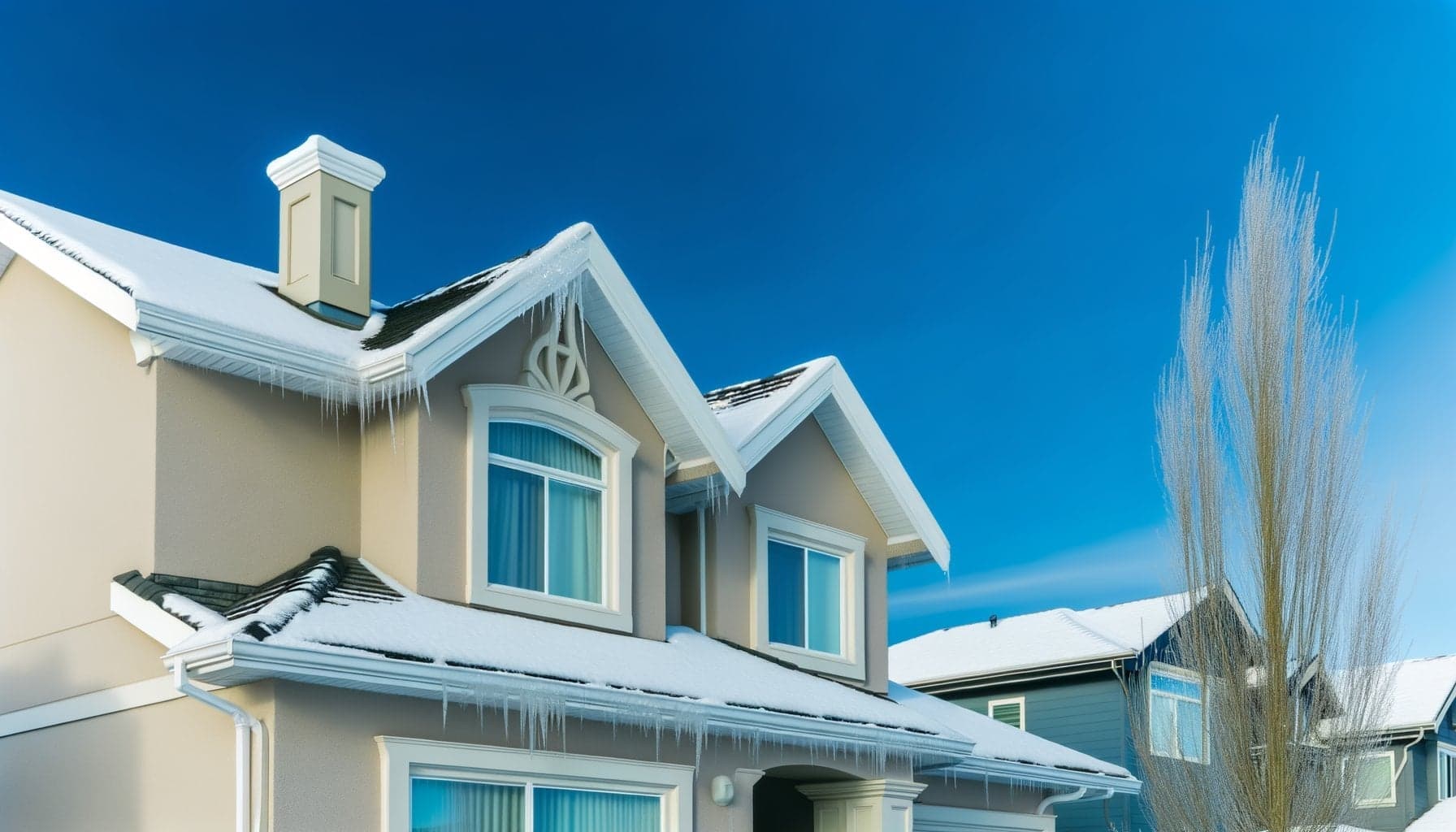
Winter Roof Preparation:
Complete Homeowner Guide
Protect your home from winter's harshest conditions with expert preparation strategies that prevent damage and save thousands in repairs
Winter weather can wreak havoc on unprepared roofs, causing damage that ranges from minor leaks to catastrophic structural failures. According to insurance industry data, winter roof damage claims average $7,500, with ice dam-related claims often exceeding $15,000. The good news? Most winter roof damage is entirely preventable with proper preparation and maintenance. This comprehensive guide provides everything you need to know to protect your roof—and your wallet—from winter's worst.
What You'll Learn
Pre-Winter Roof Inspection Checklist

Professional inspection can identify issues before they become costly winter problems
A comprehensive pre-winter inspection is your most powerful tool for preventing costly damage. Research shows that homes with annual fall inspections experience 68% fewer winter-related roof problems.
Professional Insight
"The best time to inspect your roof is during the first two weeks of October. This gives you a 4-6 week window to complete repairs before the first significant snowfall in most regions."
— Mike Thompson, Certified Master Roofer
21-Point Inspection Checklist
Exterior Inspection
- Missing, cracked, or curled shingles
- Damaged or loose flashing
- Granule loss in gutters
- Sagging or uneven roof sections
- Moss or algae growth
- Chimney cap and crown condition
- Vent pipe boot integrity
- Skylight seals and flashing
- Gutter attachment and slope
- Downspout connections
- Soffit and fascia damage
Interior/Attic Inspection
- Water stains on ceilings
- Daylight through roof boards
- Proper insulation depth (R-38+)
- Ventilation blockages
- Mold or mildew presence
- Air leaks around penetrations
- Pest infestation signs
- Structural sagging
- Condensation or frost
- Electrical hazards near roof
Prevention vs. Repair Cost Analysis
Ice Dam Prevention Strategies
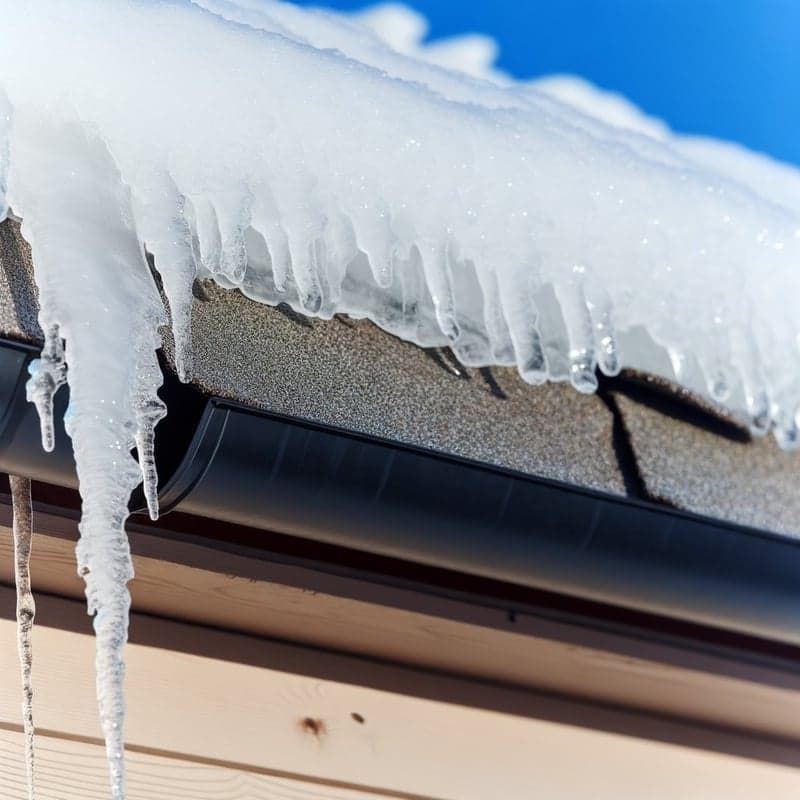
Ice dams can cause thousands in damage if left unchecked
Ice dams are responsible for over $1.9 billion in annual property damage across North America. Understanding their formation and prevention is crucial for protecting your home.
The Ice Dam Formation Process
Heat Escape
Warm air from living spaces rises into attic
Snow Melts
Heat melts snow on upper roof sections
Water Flows
Melted water runs down to cold eaves
Ice Forms
Water refreezes, creating dam and backup
Proven Prevention Methods
Attic Insulation
Upgrade to R-49 to R-60 in cold climates
Ventilation
1 sq ft per 150 sq ft of attic space
Air Sealing
Seal all penetrations and gaps
Heat Cables
Install in problem areas only
Warning Signs to Watch
Proper Attic Ventilation System
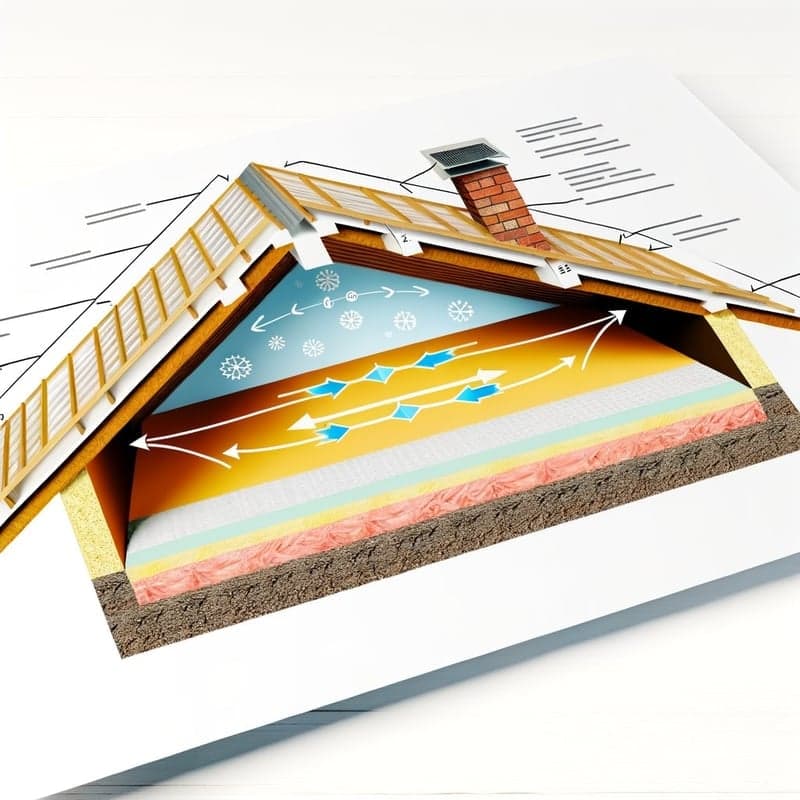
Intake Vents
Soffit vents allow cool air to enter at the lowest point
Air Flow
Natural convection moves air up through the attic space
Exhaust Vents
Ridge or gable vents expel warm, moist air
Snow Load Management
Modern building codes account for snow loads, but extreme weather events can exceed design limits. Understanding your roof's capacity and knowing when to act can prevent catastrophic failure.
Snow Load Risk Assessment
Snow Weight by Type
Roof Load Capacity
Critical Safety Warning
Never attempt to remove snow from your roof yourself. Falls from roofs account for over 100 deaths and 15,000 serious injuries annually.
- •Always hire insured, professional snow removal services
- •Never use salt or calcium chloride on your roof
- •Avoid using metal tools that can damage shingles
Snow Removal Action Timeline
Gutter and Downspout Maintenance
Clean, functioning gutters are essential for winter roof health. They direct water away from your home and help prevent ice dams.
Maintenance Checklist:
- Remove all leaves and debris
- Check for proper slope (1/4 inch per 10 feet)
- Secure loose brackets and hangers
- Ensure downspouts extend 5+ feet from foundation
- Consider installing gutter guards
Winter Roof Emergency Kit
Be prepared for winter roof emergencies with these essential items:
Emergency Supplies:
- ✓ Tarps and plastic sheeting
- ✓ Roofing cement
- ✓ Roof snow rake
- ✓ Ice melt (roof-safe)
Contact Information:
- ✓ Emergency roofer contacts
- ✓ Insurance agent
- ✓ Local building inspector
- ✓ Snow removal service
Key Takeaways
- •Early preparation is crucial - start your winter prep in early fall
- •Focus on prevention rather than reactive measures
- •Don't hesitate to call professionals for inspection and repairs
- •Keep emergency supplies ready before winter storms hit
Gutter and Downspout Maintenance
Clean, functioning gutters are essential for winter roof health. They direct water away from your home and help prevent ice dams.
Maintenance Checklist:
- Remove all leaves and debris
- Check for proper slope (1/4 inch per 10 feet)
- Secure loose brackets and hangers
- Ensure downspouts extend 5+ feet from foundation
- Consider installing gutter guards
Winter Roof Emergency Kit
Be prepared for winter roof emergencies with these essential items:
Emergency Supplies:
- ✓ Tarps and plastic sheeting
- ✓ Roofing cement
- ✓ Roof snow rake
- ✓ Ice melt (roof-safe)
Contact Information:
- ✓ Emergency roofer contacts
- ✓ Insurance agent
- ✓ Local building inspector
- ✓ Snow removal service
Ready to Winterize Your Roof?
Don't wait for the first snowfall. Get your free professional inspection today.
Average response time: 30 minutes • No spam guarantee