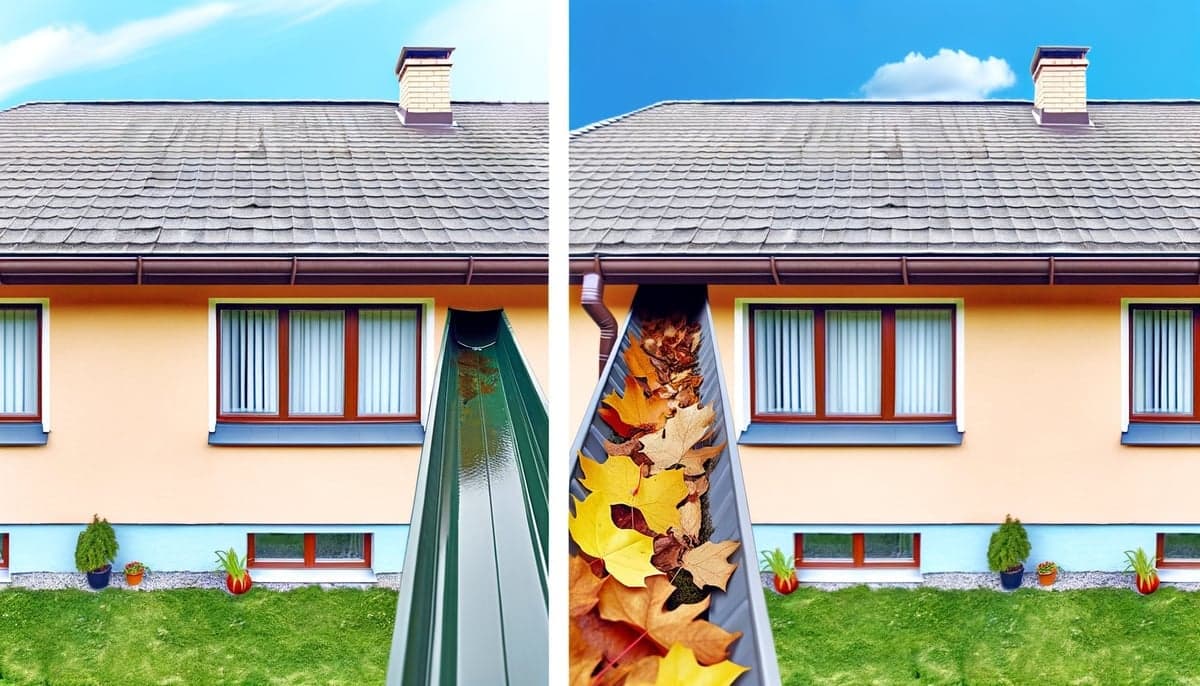
Spring Roof Maintenance:
Your Money-Saving Checklist
Catch problems early, extend your roof's life by 10+ years, and save thousands on repairs
Spring is the critical window for roof maintenance. After months of winter assault from ice, snow, and storms, your roof needs attention to prevent small issues from becoming expensive disasters. Our data shows that homeowners who perform thorough spring maintenance save an average of $3,400 in repairs over 10 years and extend their roof's lifespan by 30%. This guide provides the exact steps professionals follow, adapted for safe DIY execution.
The Financial Impact of Spring Maintenance
Average annual maintenance cost
Prevented repairs over 10 years
Extended roof lifespan
ROI on maintenance
The Professional 21-Point Spring Checklist
This is the exact checklist our certified inspectors use. We've marked which items are safe for DIY and which require professional attention.
Exterior Roof Inspection
Missing, cracked, or curled shingles
Replace individual shingles or call pro for extensive damage
Granule loss (check gutters for accumulation)
Monitor closely, plan for replacement if severe
Exposed or popped nails
Hammer down and seal with roofing cement
Damaged or missing flashing
Professional repair required to prevent leaks
Sagging or uneven roof sections
Structural issue - call professional immediately
Moss, algae, or lichen growth
Apply zinc or copper strips, gentle cleaning
Chimney cap and crown condition
Mason or roofer needed for repairs
Vent pipe boots and seals
Replace rubber boots, reseal with appropriate caulk
Gutter & Drainage System
Critical Spring Focus
Gutters bear the brunt of winter damage. Spring cleaning prevents 90% of water-related roof problems.
Remove all debris from gutters
Check gutter slope (1/4" per 10 feet)
Secure loose hangers and brackets
Clear downspouts with water test
Extend downspouts 5+ feet from foundation
Interior & Attic Inspection
Safety Note: Always inspect attic during daylight with proper lighting. Watch for exposed nails, weak flooring, and wildlife.
Water stains on ceilings
Active or past leaks
Daylight through roof boards
Holes needing immediate repair
Sagging between rafters
Structural weakness
Wet or compressed insulation
Moisture intrusion
Mold or mildew presence
Ventilation issues
Pest droppings or nests
Entry points to seal
Safe DIY Maintenance Tasks
Task 1: Professional Gutter Cleaning Technique
Time: 2-3 hours | Difficulty: Easy | Savings: $150-300
What You'll Need:
- Sturdy ladder (with stabilizer)
- Work gloves
- Bucket with hook
- Garden trowel
- Garden hose
- Safety glasses
Step-by-Step Process:
- 1Safety First: Set ladder on firm ground, maintain 3-point contact, work with a spotter
- 2Start at Downspout: Clear area around downspout first to ensure drainage
- 3Scoop Debris: Use trowel to scoop into bucket, never reach beyond comfortable distance
- 4Flush System: Once clear, flush with hose starting opposite from downspout
- 5Check Flow: Ensure water flows freely, adjust hangers if pooling occurs
Pro Tip: Install gutter guards after cleaning to reduce future maintenance by 75%.
Task 2: Ground-Level Shingle Inspection
Time: 30-45 minutes | Difficulty: Easy | Identifies: 80% of issues
Using Binoculars Effectively:
What to Look For:
- • Curled or lifted shingle edges
- • Different colored patches (missing granules)
- • Visible nail heads
- • Cracked or missing shingles
- • Sagging areas between rafters
Check These Areas:
- • Valleys where roof sections meet
- • Around chimneys and vents
- • Roof edges and ridge line
- • North-facing slopes (moss growth)
- • Under tree branches
Document What You Find:
- 1. Take photos with zoom for contractor reference
- 2. Note location (e.g., "5 feet left of chimney")
- 3. Estimate size of damaged area
- 4. Mark urgency: immediate, this season, or monitor
Task 3: Moss & Algae Prevention
Time: 1-2 hours | Difficulty: Easy | Prevents: $2,000+ in damage
Installing Zinc or Copper Strips:
Metal strips create a hostile environment for organic growth, protecting your shingles for 15+ years.
Installation Guide:
- 1.Purchase 2-3" wide zinc or copper strips (50 feet covers average roof)
- 2.Install just below ridge line, sliding under ridge cap shingles
- 3.Leave 1-2" exposed to rain
- 4.Secure with roofing nails every 12 inches
- 5.Seal nail heads with roofing cement
Benefits:
- ✓ 15-20 year protection
- ✓ No chemicals needed
- ✓ Works automatically with rain
- ✓ Increases roof lifespan
Cost Analysis:
- • Material cost: $100-150
- • Professional install: $500-800
- • DIY savings: $400-650
- • Prevented damage: $2,000+
Spring Red Flags: When to Call a Pro
Multiple Missing Shingles
HIGHAction needed: Within 48 hours
Risk if ignored: Water damage, structural issues
Typical cost: DIY: $50-100 | Pro: $300-500
Sagging Roof Sections
CRITICALAction needed: Immediately
Risk if ignored: Potential collapse, major repairs
Typical cost: Pro only: $2,000-10,000+
Active Leaks/Water Stains
HIGHAction needed: Within 24 hours
Risk if ignored: Mold, rot, interior damage
Typical cost: Pro: $500-2,000
Granules Filling Gutters
MEDIUMAction needed: This season
Risk if ignored: Accelerated aging, replacement soon
Typical cost: Monitor, plan replacement
Year-Round Maintenance Calendar
Spring (March-May)
- Complete 21-point inspection
- Clean gutters and downspouts
- Trim overhanging branches
- Apply moss prevention
Summer (June-August)
- Check for heat damage
- Inspect attic ventilation
- Schedule major repairs
- Document roof condition
Fall (September-November)
- Clear gutters of leaves
- Inspect/install heat cables
- Check flashing seals
- Winterize roof vents
Winter (December-February)
- Monitor snow accumulation
- Watch for ice dams
- Document storm damage
- Plan spring repairs
Need Professional Spring Maintenance?
Get a thorough inspection and maintenance package from certified professionals