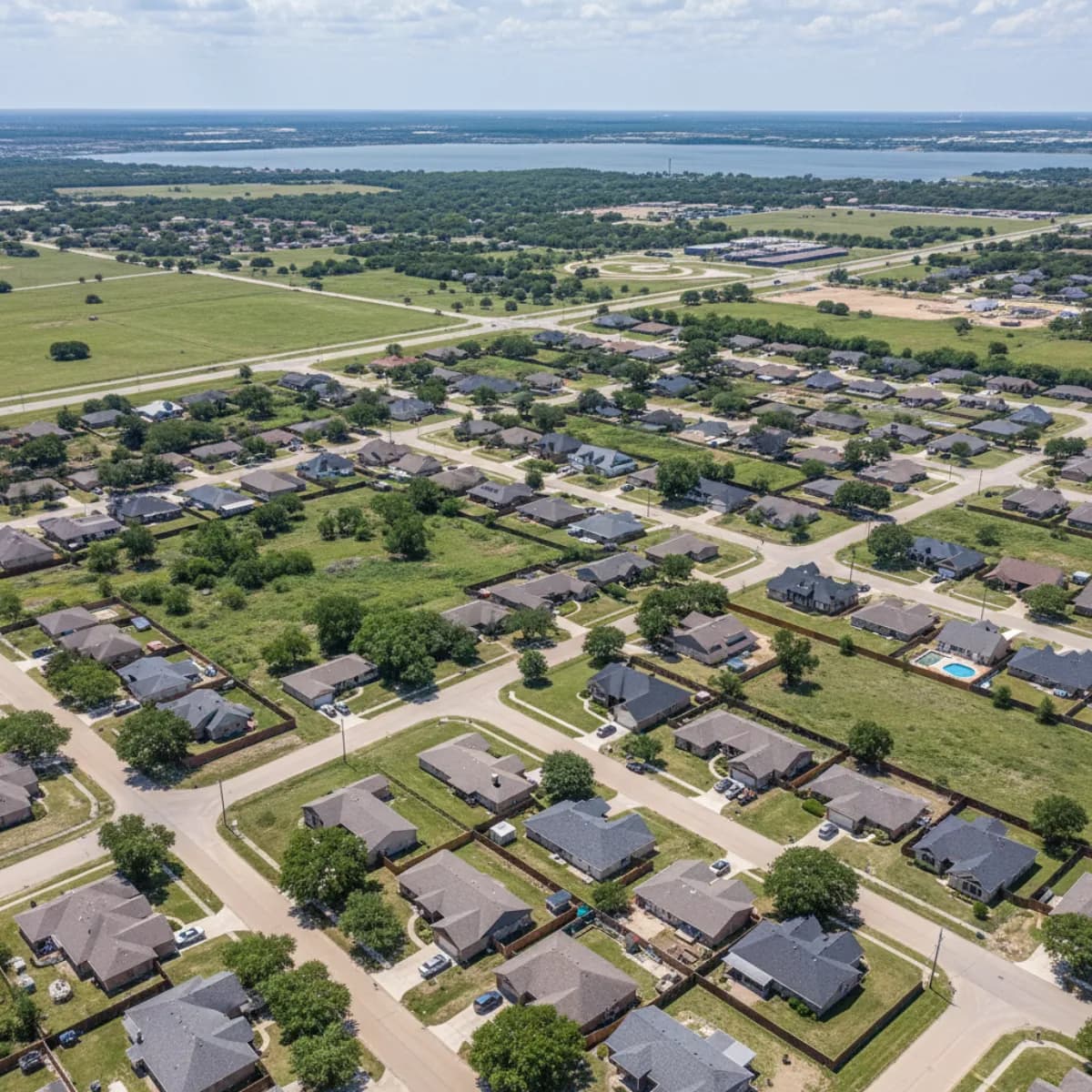
East DFW Metroplex on Lake Ray Hubbard
Instant Roof Replacement Quotes in Garland, TX
With approximately 240,000 residents in Dallas County, Garland sits in the heart of the DFW hail corridor and was devastated by an EF3 tornado in December 2015. Whether you own a classic 1960s ranch home in established neighborhoods, a lakefront property near Lake Ray Hubbard, or a newer build in Garland's growing communities, your roof faces severe hail, thunderstorms, tornadoes, and punishing summer heat. Get instant quotes from pre-vetted North Texas contractors who specialize in impact-resistant roofing, storm damage repair, and Dallas County's extreme weather challenges.
Garland at a Glance
Population
Dallas County, East DFW
Major Hail Events/Year
In the DFW hail corridor
Typical Roof Cost
Varies by size, material, and condition
Free Quotes
no obligations ever
Contractor Bids
standardized scope comparison
Until You Choose
no spam, no lead resale
TX Contractors
licensed, insured, reviewed
Roofing Challenges Unique to Garland
Garland is one of the largest cities in the DFW metroplex, stretching across eastern Dallas County with approximately 240,000 residents. Founded in the 1880s as a farming community and transformed into an industrial hub in the mid-20th century, Garland today is a diverse, family-oriented city with housing stock that spans seven decades of construction. From the established 1960s ranch homes and brick ramblers in neighborhoods like South Garland and Lakeview to the newer construction near Lake Ray Hubbard and along the President George Bush Turnpike corridor, Garland roofs face a relentless combination of severe hail, destructive thunderstorms, tornado risk, and extreme North Texas heat. The devastating EF3 tornado that struck on December 26, 2015 served as a stark reminder that Garland homeowners must prioritize durable, weather-resistant roofing materials and expert installation to protect their properties.
~ Severe Hail & Thunderstorms
Garland sits in the DFW hail corridor and averages 4-8 significant hail events per year during severe thunderstorm season from March through June. Supercell thunderstorms frequently produce golf ball to baseball-sized hailstones that wreak havoc on residential roofs across eastern Dallas County. The combination of large hail and high winds during these storms can strip shingles, crack tiles, and dent metal panels in a single event. Many Garland homeowners have replaced their roofs multiple times due to recurring hail damage.
- - Class 4 impact-rated shingles strongly recommended
- - Insurance discounts of 10-28% for impact-rated roofs
- - Standard shingles vulnerable to repeated damage
* Tornado & High Wind Risk
The December 26, 2015 EF3 tornado that struck Garland and neighboring Rowlett with winds up to 165 mph killed eight people and destroyed or severely damaged hundreds of homes. This catastrophic event demonstrated the devastating power of tornadoes in the DFW metroplex. Even when tornadoes miss the city directly, associated straight-line winds of 60-80 mph during severe thunderstorms cause widespread shingle displacement, fascia damage, and flashing failures.
- - Wind-rated materials (110+ mph) essential
- - Ring-shank nails for enhanced deck attachment
- - Sealed roof deck for water intrusion prevention
= Extreme Heat & UV Exposure
Garland's North Texas climate delivers blistering summers with temperatures regularly exceeding 100 degrees F from June through September. Intense UV radiation and thermal cycling between scorching days and cooler nights accelerate shingle degradation, cause granule loss, and reduce the lifespan of standard roofing materials by 3-5 years. Many of Garland's older homes from the 1960s-1980s have inadequate attic ventilation that compounds heat-related roof damage.
- - Proper ridge and soffit ventilation critical
- - Light-colored or reflective materials reduce heat absorption
- - Radiant barrier in attic can lower cooling costs 5-10%
! Lake Ray Hubbard Moisture Effects
Lake Ray Hubbard, the massive 22,745-acre reservoir on Garland's eastern border, creates localized weather effects for nearby neighborhoods. Higher humidity levels near the shoreline accelerate algae and moss growth on roofing surfaces. Lake-effect wind gusts during thunderstorms can intensify roof damage for properties along the waterfront and in lake-adjacent communities like Rowlett Creek Estates and Harbor Point.
- - Algae-resistant shingles recommended near the lake
- - Moisture-resistant underlayment essential
- - Enhanced wind ratings for lakefront properties
The December 2015 Tornado: Lessons for Garland Homeowners
On the night of December 26, 2015, an EF3 tornado with estimated wind speeds of 165 mph tore through Garland and neighboring Rowlett along the Interstate 30 corridor. The tornado killed eight people, injured dozens more, and caused catastrophic damage to hundreds of homes across eastern Dallas County. Entire neighborhoods saw roofs ripped away, walls collapsed, and homes reduced to foundations. The event was one of the deadliest tornado strikes in the DFW metroplex's modern history and permanently changed how many Garland homeowners approach roof construction and material selection.
Key Takeaways for Roof Protection
- - Wind-rated materials (110+ mph minimum) are essential, not optional
- - Ring-shank nails provide superior deck attachment during extreme winds
- - Sealed roof deck systems prevent water intrusion when shingles are displaced
- - Proper connections between roof, walls, and foundation improve structural integrity
Recovery and Rebuilding
- - Many rebuilt homes now use impact-resistant and wind-rated materials
- - Contractor demand surged for months after the event
- - Insurance coverage for wind and tornado damage is critical in Garland
- - Proactive replacement with modern materials prevents catastrophic loss
Garland Building Requirements & Regulations
Important Local Regulations
Building Permits
Required for all roof replacements through the City of Garland Building Inspections Division. Permit fees typically range from $75-300. The city follows the International Residential Code (IRC) with local amendments governing roofing standards, material requirements, and inspection protocols.
Wind Resistance Standards
Following the 2015 tornado and ongoing severe weather exposure, wind-rated materials (110+ mph minimum) are strongly recommended for all Garland roof replacements. Ring-shank nails and proper deck attachment methods are standard practice for storm protection in the DFW corridor.
Dallas County Requirements
Properties in unincorporated areas near Garland follow Dallas County building requirements. The county enforces residential building codes including roofing material standards, fastening methods, and inspection requirements for all replacement projects.
Contractor Registration
Texas does not require a state roofing license, but the City of Garland requires contractors to register with the city and maintain proper insurance. All contractors should carry general liability insurance and workers' compensation coverage. Verify registration through the City of Garland before hiring.
HOA Requirements
Many Garland subdivisions have HOAs with architectural review committees that specify approved roofing materials, colors, and manufacturers. Communities near Lake Ray Hubbard and newer developments along the PGBT corridor often have specific roofing guidelines. Get HOA approval before starting work.
Garland's Diverse Housing Stock: Roofing for Every Era
Garland's housing stock reflects seven decades of growth, from the post-war boom of the 1950s and 1960s through modern construction near Lake Ray Hubbard. Each era presents unique roofing considerations that affect material selection, ventilation requirements, and overall project costs. Understanding your home's construction period helps determine the right roofing approach.
1960s-1980s Homes
- - Ranch-style and brick ramblers dominate established neighborhoods
- - Often have outdated ventilation systems that need upgrading
- - May require decking replacement or repair beneath shingles
- - Lower roof pitches common, affecting material options and drainage
1990s-2020s Homes
- - Modern construction with updated building codes
- - Steeper pitches and more complex roof lines add labor costs
- - Better ventilation but may still benefit from upgrades
- - HOA restrictions common in planned communities
Most Popular Roofing Materials in Garland
Material selection in Garland is driven primarily by hail resistance and storm durability. Given the city's position in the DFW hail corridor and the devastating 2015 tornado, many homeowners are investing in impact-resistant and wind-rated materials that provide long-term protection. The upfront cost difference between standard and impact-rated materials is often recovered within a few years through insurance savings and avoided replacement costs.
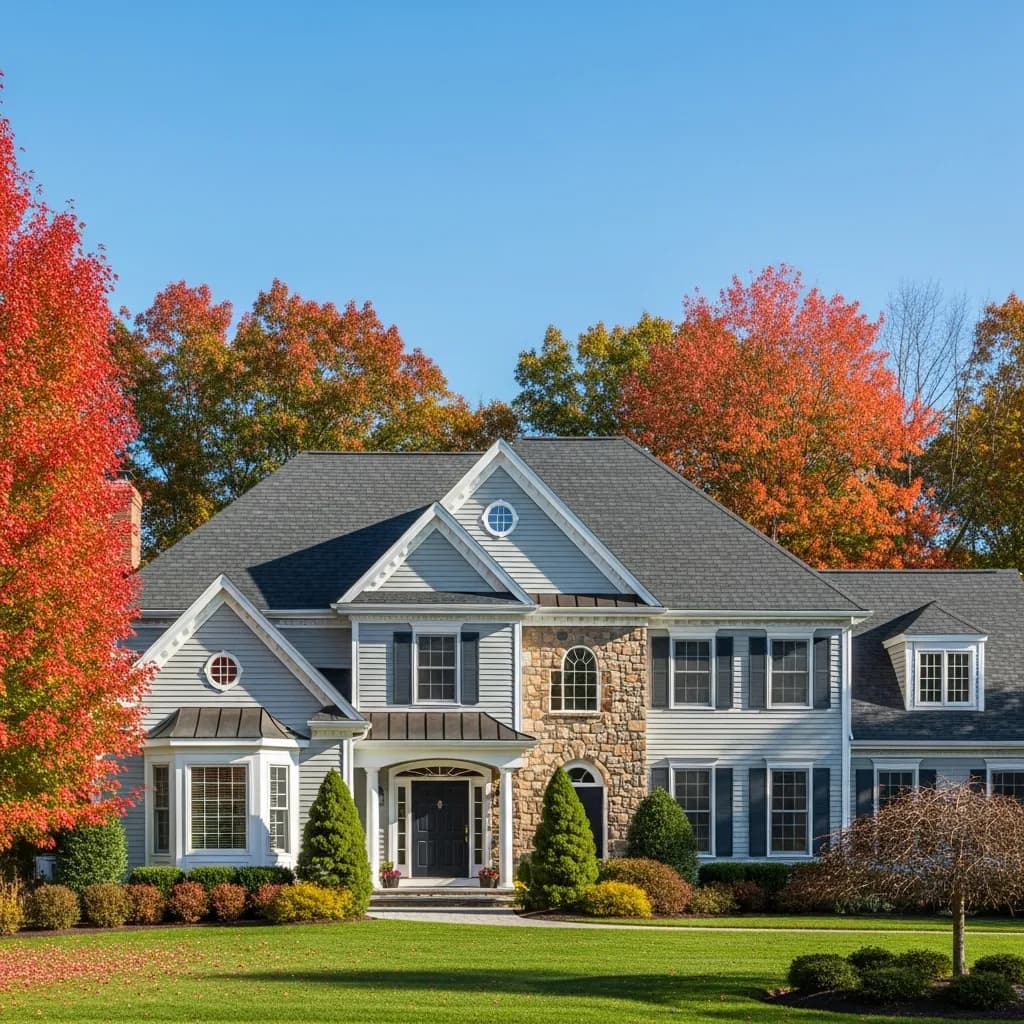
#1: Class 4 Impact-Rated Architectural Shingles
The top choice for Garland homes, Class 4 impact-rated architectural shingles combine essential hail protection with attractive aesthetics that satisfy HOA requirements across the city's many planned communities. These shingles withstand 2-inch steel ball drops in testing and provide significantly better performance against the DFW corridor's frequent golf ball-sized hail. The 10-28% insurance premium discount often pays for the upgrade within 3-5 years, making them the smartest long-term investment for Garland homeowners who are tired of repeated hail damage claims.
Best For:
Most Garland homes
Lifespan:
25-30 years
Cost Range:
$9,500 - $18,000
Insurance Savings:
10-28% annually
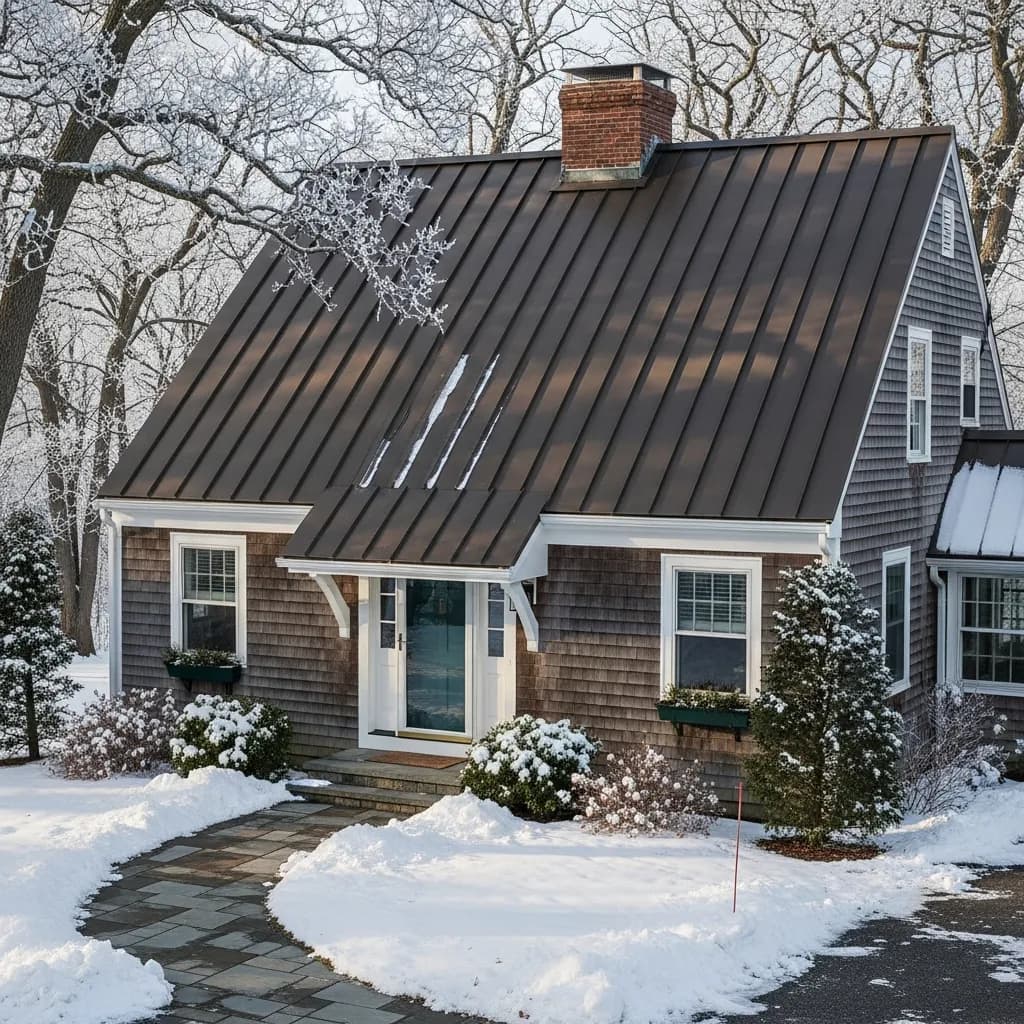
#2: Standing Seam Metal Roofing
Increasingly popular in Garland, especially among homeowners who have replaced hail-damaged shingle roofs multiple times. Standing seam metal is virtually impervious to hail, handles 140+ mph winds (critical given the 2015 tornado history), and lasts 40-70 years with minimal maintenance. The reflective surface reduces cooling costs by 10-25% during Garland's brutally hot summers, making it an excellent investment for both storm protection and energy savings.
Best For:
Long-term storm protection
Lifespan:
40-70 years
Cost Range:
$15,000 - $28,000
Wind Rating:
140+ mph
Standard Architectural
#3: Standard Architectural Shingles
Standard architectural shingles remain the most affordable option and are common on Garland homes, especially in the city's older 1960s-1980s neighborhoods. However, in the DFW hail corridor, standard shingles are vulnerable to damage and may need replacement every 3-7 years after significant hail events. While the upfront cost is lower, the long-term expense can exceed impact-rated alternatives when factoring in repeat replacements, rising insurance deductibles, and the risk of policy non-renewal after multiple hail claims.
Best For:
Budget-conscious replacements
Lifespan:
20-30 years (if no hail)
Cost Range:
$8,000 - $14,000
Hail Risk:
Vulnerable to damage
Garland Average Roof Cost: $8,000 - $20,000 for a typical home. Impact-resistant upgrades add $1,500-$3,000 but are strongly recommended for the DFW hail corridor. Get your exact price with a free instant quote.
Hail Damage Insurance in Dallas County
Insurance is a major consideration for Garland homeowners due to the DFW corridor's extreme hail frequency and tornado risk. Understanding how insurance works for roof claims in Garland can save thousands of dollars and prevent policy complications that leave homeowners exposed.
Impact-Rated Discounts
Texas insurers offer 10-28% premium discounts for Class 4 impact-rated roofing. On a typical Garland homeowner's policy, this can save $300-$800 annually, often paying for the upgrade within 3-5 years.
Claim Frequency Concerns
Filing 3 or more hail claims within 5 years can trigger policy non-renewal from Texas insurers. This is a critical concern in Garland where standard shingles may sustain damage every 1-3 years. Impact-rated or metal roofing eliminates most repeat claims and protects your insurability.
Wind and Tornado Coverage
Following the 2015 tornado, many Garland homeowners reviewed their wind and tornado coverage. Ensure your policy covers full roof replacement at current costs, not depreciated value. Replacement cost value (RCV) policies are strongly recommended over actual cash value (ACV) policies.
After a Storm Event
File insurance claims promptly after hail or storm events. Document damage with photos, get a professional inspection, and avoid signing with storm chasers who show up uninvited. Our pre-vetted contractors provide thorough inspections and assist with insurance documentation.
Garland Neighborhoods We Serve
From the established neighborhoods of South Garland to the lakefront communities along Lake Ray Hubbard, we connect homeowners across every Garland neighborhood with pre-vetted roofing contractors who understand local building requirements, HOA standards, and the unique challenges of DFW weather.
South Garland
- - Established 1960s-70s neighborhoods
- - Ranch-style & brick ramblers
- - Near Garland Road corridor
- - Affordable family homes
Lake Ray Hubbard Area
- - Lakefront & lake-adjacent properties
- - Rowlett Creek Estates
- - Harbor Point area
- - Higher wind & moisture exposure
North Garland
- - Near PGBT / Bush Turnpike
- - Newer construction
- - Planned communities
- - HOA-governed neighborhoods
Lakeview
- - East Garland near the lake
- - Mix of eras & styles
- - Family-oriented community
- - Lake proximity considerations
Downtown Garland
- - Historic downtown square area
- - DART Blue Line access
- - Older character homes
- - Mixed residential & commercial
Firewheel
- - Firewheel Golf Park area
- - Firewheel Town Center vicinity
- - 1990s-2000s construction
- - Suburban family homes
Duck Creek
- - Central Garland corridor
- - Duck Creek greenbelt area
- - Established neighborhoods
- - Diverse housing styles
Spring Creek
- - Northeast Garland
- - Near Spring Creek Preserve
- - Newer developments
- - Growing community
West Garland
- - Richardson & Dallas border
- - Established 1970s-80s homes
- - Diverse neighborhoods
- - Good transit access
Frequently Asked Questions About Garland Roofing
How much does a roof replacement cost in Garland, TX?
Roof replacement in Garland typically costs between $8,000 and $20,000 for a standard home. Garland's diverse housing stock, from 1960s ranch-style homes to newer construction near Lake Ray Hubbard, creates a wide pricing range. Most homeowners pay $10,000-$16,000 for quality architectural shingles. Impact-resistant shingles add $1,500-$3,000 but are strongly recommended for the DFW hail corridor and may qualify for insurance discounts of 10-28%.
How bad is hail damage in Garland, TX?
Garland sits in the DFW hail corridor and averages 4-8 notable hail events per year during severe thunderstorm season (March-June). Hailstones frequently reach golf ball to baseball size, causing widespread roof damage across eastern Dallas County. Class 4 impact-rated shingles are strongly recommended and may qualify for insurance discounts of 10-28%, often paying for the upgrade within 3-5 years.
What roofing materials are best for Garland's climate?
Class 4 impact-rated architectural shingles are the top choice for most Garland homes, providing essential hail protection. Standing seam metal roofing is growing in popularity for its permanent hail resistance and 40-70 year lifespan. Standard architectural shingles remain common but are vulnerable to damage from the frequent hail events that hit the DFW corridor.
What happened during the December 2015 Garland tornado?
An EF3 tornado with winds up to 165 mph struck Garland and Rowlett on December 26, 2015, destroying or severely damaging hundreds of homes. The event demonstrated the importance of wind-rated roofing materials (110+ mph) with ring-shank nails and sealed roof deck systems for maximum storm protection in the DFW area.
Do I need a permit for roof replacement in Garland, TX?
Yes, the City of Garland requires permits through the Building Inspections Division. Permit fees are typically $75-300. Garland has adopted the IRC with local amendments. Properties with HOAs may need additional architectural review approval before work begins.
Does Garland get ice storms that damage roofs?
Yes, Garland experiences periodic winter ice storms, most notably the February 2021 Winter Storm Uri. Ice storms cause ice dam formation, freeze-thaw cracking, gutter damage from ice loading, and falling tree limbs. Proper attic ventilation and drip edge installation help prevent ice dam formation.
How does Lake Ray Hubbard affect roofing in Garland?
Lake Ray Hubbard on Garland's eastern border creates higher humidity, lake-effect wind gusts during storms, and accelerated moisture exposure for nearby homes. Lakefront properties benefit from moisture-resistant underlayment, algae-resistant shingles, and materials rated for higher wind exposure.
How long does a roof replacement take in Garland?
Most Garland replacements take 1-3 days for shingles and 3-5 days for metal. Year-round warm climate allows work in all seasons. After major hail events, wait times extend 2-8 weeks across the DFW metroplex.
Texas Roofing Resources
Texas State Overview
All Texas roofing resources and city pages
Texas Roof Replacement Cost Guide
State-wide pricing, materials, and cost factors
Texas Hail Season Prep Guide
Prepare your roof for spring storm season
Texas Roof Insurance Claim Guide
Step-by-step process for hail and storm claims
Best Roofing Materials for Texas
Material recommendations for Texas climate
Impact-Resistant Shingles Guide
Why Class 4 shingles matter in hail country
Nearby Cities We Serve
Get Your Garland Roof Quote in Minutes
Enter your address to compare instant quotes from pre-vetted North Texas contractors who specialize in hail-rated roofing, storm damage repair, and Dallas County's severe weather challenges