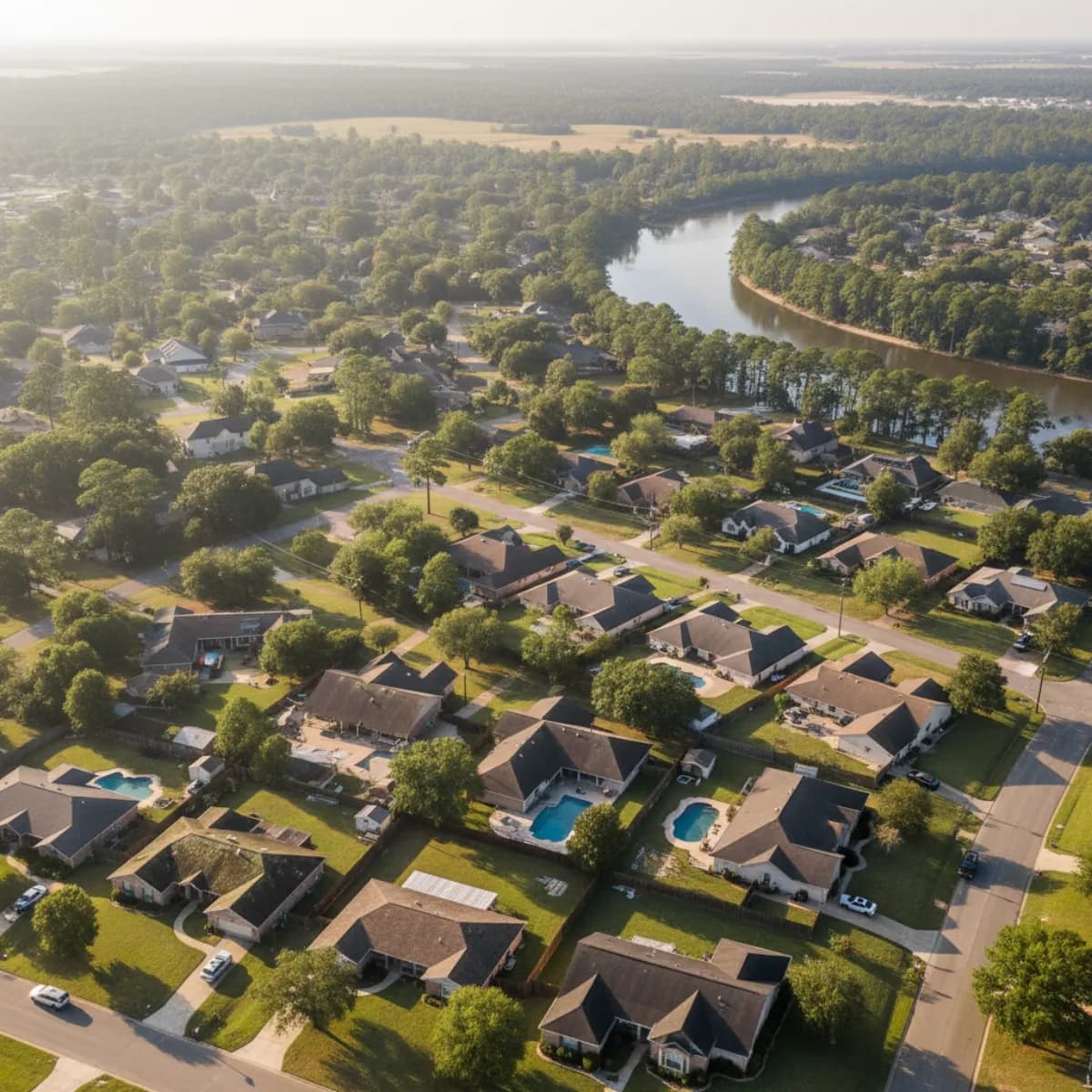
Golden Triangle · Jefferson County · Gulf Coast
Instant Roof Replacement Quotes in Beaumont, TX
Beaumont sits at the heart of Southeast Texas's Golden Triangle, where the Neches River meets the Gulf Coast. With more than 60 inches of annual rainfall, relentless humidity, and a hurricane history that includes Rita, Ike, Harvey, and Laura, every roofing decision here is shaped by weather. Get instant quotes from pre-vetted Texas contractors who specialize in TDI windstorm-compliant, hurricane-rated roofing for homes across Jefferson County.
Free Quotes
no obligations ever
Contractor Bids
standardized scope comparison
Until You Choose
no spam, no lead resale
TX Contractors
licensed, insured, reviewed
Roofing in Beaumont: The Wettest City in Texas
Beaumont is a city of approximately 115,000 residents in Jefferson County, anchoring the Golden Triangle region of Southeast Texas alongside Port Arthur and Orange. Known as the birthplace of the modern oil industry following the 1901 Spindletop gusher, Beaumont remains a petrochemical hub where refinery workers and Lamar University students live in neighborhoods that range from historic Old Town to newer West End subdivisions. The city's affordable housing market means most homeowners are investing in modest single-family homes that need roofing solutions built for extreme Gulf Coast weather rather than luxury finishes.
What makes Beaumont unique among Texas cities is its rainfall. With more than 60 inches of precipitation annually, Beaumont is consistently the wettest city in the state and among the wettest in the entire United States. That volume of water, combined with subtropical humidity that rarely drops below 80%, creates a relentless moisture environment that accelerates every form of roof deterioration: algae growth, wood rot, shingle granule loss, mold development, and fascia board decay. When you add the constant threat of Gulf hurricanes to this already punishing moisture profile, the result is a roofing market where material selection, proper ventilation, and storm-rated installation are not optional upgrades but baseline necessities.
RoofVista connects Beaumont homeowners with pre-vetted Texas contractors who understand the specific demands of Southeast Texas roofing. Enter your address to get an instant satellite-based roof estimate, then compare standardized quotes from contractors who specialize in TDI windstorm-compliant, humidity-resistant installations across Jefferson County.
Roofing Challenges Unique to Beaumont
~ Hurricane & Tropical Storm Exposure
Beaumont sits just 30 miles from the Gulf of Mexico and has been directly hit by multiple major hurricanes in the last two decades. Hurricane Rita (2005) struck with 120 mph winds, causing widespread destruction across the Golden Triangle. Hurricane Harvey (2017) stalled over Southeast Texas, dumping over 60 inches of rain and flooding entire neighborhoods. Hurricane Laura (2020) devastated nearby Lake Charles with 150 mph winds, causing significant damage throughout Jefferson County.
- - Wind-rated materials (110-130 mph minimum)
- - Ring-shank nails for TDI-compliant deck attachment
- - Sealed roof deck for wind-driven rain protection
- - WPI-8 windstorm certification required
* Extreme Rainfall & Moisture
Beaumont receives over 60 inches of rainfall per year, the highest of any major Texas city. Intense Gulf thunderstorms can dump 2-4 inches in a single hour, testing drainage systems and exposing any weakness in roof waterproofing. This persistent moisture is the leading cause of premature roof failure in Southeast Texas, attacking shingles, decking, and structural components simultaneously.
- - Waterproof synthetic underlayment essential
- - Proper gutter sizing for heavy downpours
- - Sealed penetrations at vents and chimneys
- - Drainage slope verification critical
= Relentless Humidity & Mold Risk
Beaumont's subtropical humidity averages above 80% year-round, creating conditions where algae, moss, and mold thrive on roofing surfaces. This moisture-laden air penetrates attic spaces, promoting wood rot in decking and rafters, degrading organic felt paper underlayment, and causing condensation damage to insulation. Without proper ventilation, attic temperatures combine with humidity to create an incubator for mold growth.
- - Algae-resistant shingles with copper/zinc granules
- - Balanced ridge and soffit ventilation required
- - Synthetic underlayment over organic felt
- - Regular attic inspections for mold detection
! Extreme Heat & UV Degradation
Beaumont's summers bring temperatures regularly exceeding 95 degrees F with heat indices above 110 degrees F. This intense heat, combined with UV radiation, accelerates shingle aging and granule loss. Attic temperatures can exceed 150 degrees F without proper ventilation, baking underlayment and stressing decking from above while humidity attacks from below.
- - Cool roof coatings reduce surface temperature
- - Proper ridge ventilation prevents heat buildup
- - Light-colored or reflective shingles recommended
- - Radiant barrier in attic for energy savings
Beaumont's Hurricane History: Why Storm-Rated Roofing Matters
No Texas city outside the immediate coastline has endured as many major hurricane impacts in recent history as Beaumont. Understanding this storm history is essential for making informed roofing decisions in Jefferson County.
Hurricane Rita (2005)
Made landfall near the Texas-Louisiana border as a Category 3 storm with 120 mph sustained winds. Beaumont suffered widespread roof damage, power outages lasting weeks, and massive evacuations. Many homes in the region still had blue tarps months after the storm.
Hurricane Ike (2008)
Three years after Rita, Hurricane Ike struck the upper Texas coast with a massive storm surge and sustained tropical storm-force winds across the Golden Triangle. The combination of wind and flood damage further weakened roofing infrastructure that had been repaired after Rita.
Hurricane Harvey (2017)
Harvey stalled over Southeast Texas for days, dumping over 60 inches of rain on the Beaumont area. The city's water treatment plant was flooded, leaving residents without running water. Roof failures from the sheer weight and duration of rainfall were widespread, even on relatively new installations.
Hurricane Laura (2020)
Laura made landfall near Lake Charles, Louisiana, just 60 miles east of Beaumont, with catastrophic 150 mph winds. While the worst damage was east of the state line, Beaumont experienced significant wind damage, downed trees, and power outages. Contractors were in high demand for months across the entire region.
Key takeaway: Beaumont homeowners face a hurricane threat roughly every 3-5 years. Roofing materials and installation methods must be chosen with this frequency in mind. Cutting corners on wind ratings, underlayment, or deck attachment is not a cost savings but a guarantee of repeat damage and higher long-term expense.
Beaumont Building & Windstorm Requirements
Important Local Regulations
Building Permits
Required for all roof replacements through the City of Beaumont Development Services Department. Permit fees typically range from $75 to $250 depending on project scope. Inspections are conducted at multiple stages including dry-in (underlayment) and final completion.
TDI Windstorm Compliance (WPI-8)
Jefferson County is in the Texas Department of Insurance designated catastrophe area. All roof installations must be inspected by a licensed TDI inspector and receive a WPI-8 certificate. This certificate is required for windstorm insurance coverage through the Texas Windstorm Insurance Association (TWIA). Without it, homeowners cannot obtain or renew windstorm coverage.
IRC/IBC Building Codes
Beaumont has adopted the International Residential Code (IRC) and International Building Code (IBC). Roofing installations must meet minimum wind resistance standards with approved materials, proper fastening patterns (6-inch nail spacing), and sealed roof deck systems for wind-driven rain protection.
Contractor Requirements
Texas does not require a state roofing license, but contractors performing work in the TDI designated area must use approved materials and installation methods. All contractors should carry general liability and workers compensation insurance. RoofVista pre-vets all contractors for insurance coverage and TDI compliance experience.
Insurance Considerations
Most Beaumont homeowners carry windstorm coverage through TWIA in addition to standard homeowners insurance. A new TDI-compliant roof with a current WPI-8 certificate typically reduces windstorm premiums. After hurricane events, insurance claims must be filed promptly and documented thoroughly with photos and contractor assessments.
Most Popular Roofing Materials in Beaumont
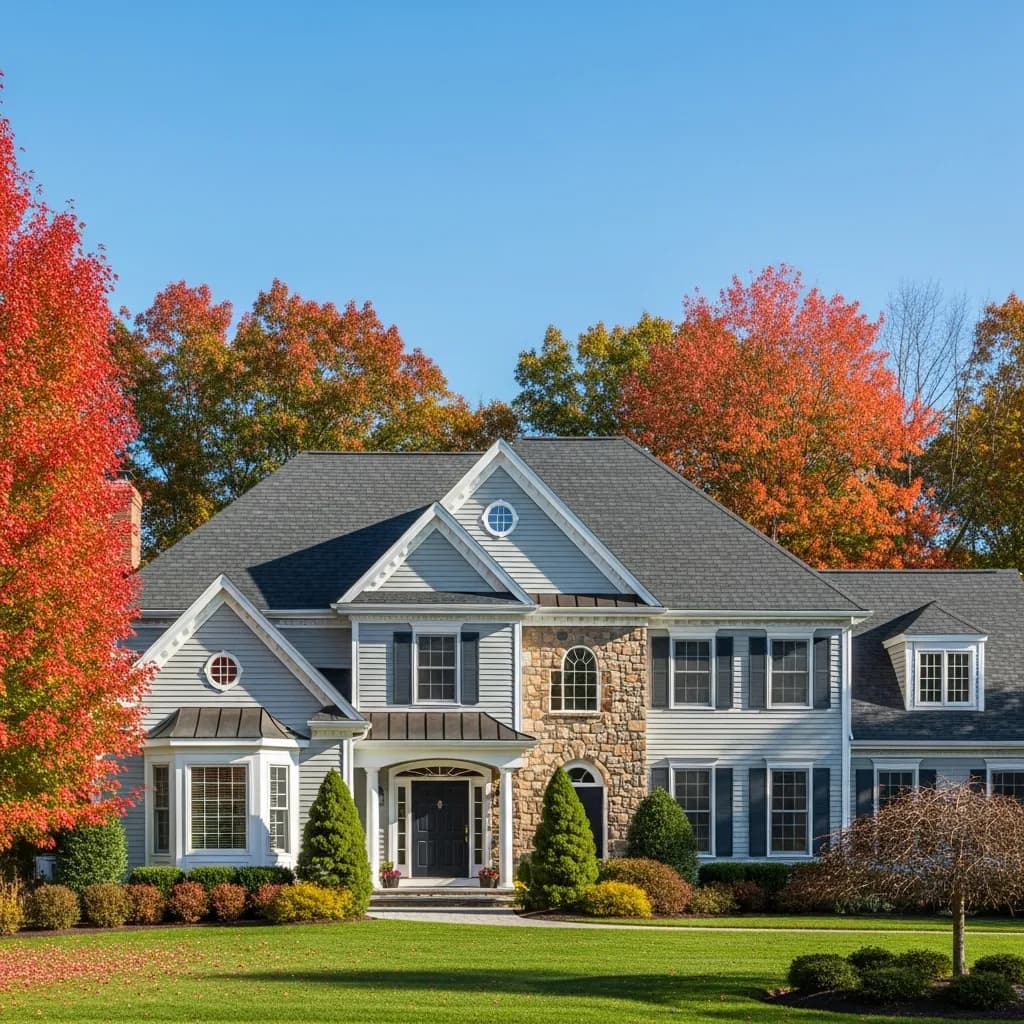
#1: Architectural Shingles (Wind & Algae Rated)
The dominant roofing material in Beaumont. Modern architectural shingles with algae-resistant granules and 110-130 mph wind ratings are the standard choice for Jefferson County homes. These shingles balance hurricane protection with affordability in Beaumont's cost-conscious housing market. Impact-rated Class 4 options provide additional hail protection and may qualify for insurance discounts of 10-28%.
Best For:
Most Beaumont homes
Lifespan:
25-30 years
Cost Range:
$7,500 - $14,000
Wind Rating:
110-130 mph
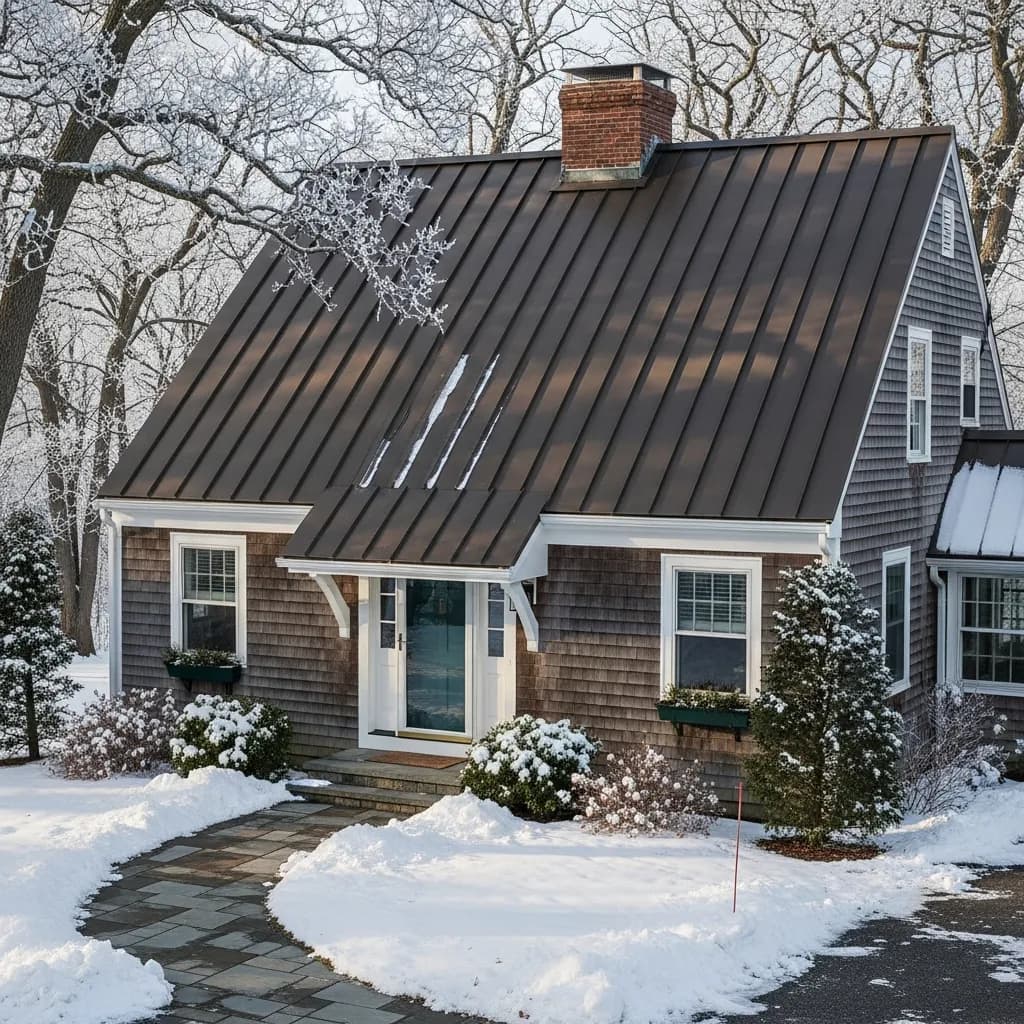
#2: Standing Seam Metal
Increasingly popular in Beaumont for homeowners seeking the ultimate hurricane protection after experiencing repeated storm damage. Standing seam metal handles 140+ mph winds and sheds water instantly during Beaumont's intense downpours. The interlocking panel design eliminates exposed fasteners that can fail in high winds. Reflective coatings reduce cooling costs by 10-25% in Southeast Texas's brutal summers. While the upfront cost is higher, the 40-70 year lifespan means many Beaumont homeowners only replace their roof once.
Best For:
Maximum storm protection
Lifespan:
40-70 years
Cost Range:
$14,000 - $25,000
Wind Rating:
140+ mph
Impact-Rated Shingles
#3: Class 4 Impact-Resistant Shingles
A premium upgrade for Beaumont homeowners who want both hurricane wind resistance and hail protection in a single product. Class 4 impact-rated shingles withstand 2-inch steel ball drops at terminal velocity while maintaining 110-130 mph wind ratings. The dual protection is particularly valuable in Southeast Texas, where spring hail and summer hurricanes create year-round storm exposure. Insurance premium discounts of 10-28% can offset the higher upfront cost within 3-5 years.
Best For:
Dual hurricane & hail protection
Lifespan:
30-35 years
Cost Range:
$9,000 - $16,000
Insurance Savings:
10-28% premium discount
Beaumont Average Roof Cost: $7,500 - $18,000 for a typical home. Standing seam metal for maximum hurricane protection may range $14,000-$25,000. Get your exact price with a free instant quote.
Beaumont Neighborhoods We Serve
Old Town / Calder
- - Calder Avenue historic area
- - McFaddin-Ward neighborhood
- - Downtown Beaumont
- - Historic craftsman homes
West End
- - Dowlen Road corridor
- - Phelan Boulevard area
- - Major Drive
- - Newer subdivisions
North End
- - North of I-10
- - Tyrrell Park area
- - Pine Street corridor
- - Established homes
South End / Lamar
- - Lamar University area
- - Park Street district
- - Cardinal Drive
- - Student & faculty housing
Amelia / Caldwood
- - Amelia neighborhood
- - Caldwood subdivision
- - Folsom area
- - Mid-century ranch homes
Greater Jefferson County
- - Port Arthur
- - Nederland
- - Groves
- - Port Neches
What Drives Roof Replacement Costs in Beaumont?
Beaumont's roofing costs are shaped by a combination of factors unique to the Golden Triangle region. Understanding these cost drivers helps homeowners make informed decisions and avoid surprises during the quoting process.
TDI Windstorm Compliance
Jefferson County's TDI designation adds $500-$1,500 to project costs through required wind-rated materials, ring-shank nails, sealed deck systems, and mandatory inspector certifications. However, this investment protects your TWIA insurance eligibility and reduces long-term storm damage costs.
Humidity-Resistant Materials
Beaumont's extreme moisture environment requires synthetic underlayment (versus cheaper organic felt), algae-resistant shingles, and enhanced ventilation systems. These upgrades add $300-$800 but prevent premature failures that would cost far more to repair in Southeast Texas conditions.
Affordable Housing Market Advantage
Beaumont's lower cost of living compared to Houston, Austin, or Dallas translates to competitive labor rates. Southeast Texas roofing labor typically runs 15-25% less than the Houston metro, partially offsetting the added material costs of coastal compliance requirements.
Post-Hurricane Demand Surges
After major storm events, roofing costs in Beaumont can spike 20-40% due to material shortages and overwhelming contractor demand. Having an existing relationship with a pre-vetted contractor through RoofVista provides priority scheduling and pre-negotiated pricing during these critical periods.
Roofing Tips for Beaumont Homeowners
Schedule Before Hurricane Season
Plan roof replacement between October and May to avoid hurricane season demand surges. The June 1 start of hurricane season creates a natural deadline for proactive homeowners.
Verify TDI Compliance Upfront
Confirm your contractor will obtain the WPI-8 windstorm certificate before signing any contract. Without it, you cannot maintain TWIA windstorm insurance coverage.
Prioritize Ventilation
In Beaumont's humidity, proper attic ventilation is as important as the roofing material itself. Ensure your contractor includes balanced ridge and soffit vents to prevent moisture buildup and extend roof life.
Choose Synthetic Underlayment
Organic felt paper degrades rapidly in Beaumont's moisture-laden climate. Synthetic underlayment costs slightly more but resists moisture, mold, and tearing during installation far better.
Document Everything for Insurance
Keep your WPI-8 certificate, installation photos, material receipts, and warranty documentation in a waterproof location. After storm events, this documentation accelerates insurance claims and ensures full coverage.
Frequently Asked Questions About Beaumont Roofing
How much does a roof replacement cost in Beaumont, TX?
Architectural shingle roofs cost $7,500-$14,000 in Beaumont. Standing seam metal with hurricane protection runs $14,000-$25,000. Beaumont's affordable housing market keeps labor competitive, but TDI windstorm compliance, humidity-resistant underlayments, and storm-rated materials add to base costs versus inland Texas cities.
How do hurricanes affect Beaumont roofs?
Beaumont has been hit by Hurricane Rita (2005, 120 mph winds), Ike (2008), Harvey (2017, 60+ inches of rain), and Laura (2020 nearby). These repeated storm events make hurricane-rated materials and TDI-compliant installation essential for every Beaumont home.
What roofing materials are best for Beaumont's Gulf Coast climate?
Beaumont receives 60+ inches of rain annually (wettest city in TX) with 80%+ humidity. Algae-resistant architectural shingles with 110-130 mph wind ratings are most popular. Standing seam metal provides superior hurricane protection. All roofing needs sealed deck systems and balanced ventilation to fight mold.
Does Beaumont require TDI windstorm compliance?
Yes. Jefferson County is in the TDI designated catastrophe area. Roof replacements require approved materials, ring-shank nails at 6-inch spacing, sealed deck underlayment, and TDI inspector sign-off. A WPI-8 certificate is required for windstorm insurance through TWIA.
How does Beaumont's extreme humidity affect roofs?
Year-round humidity above 80% promotes algae growth, wood rot, attic mold, and condensation damage. Algae-resistant shingles, synthetic underlayment, and proper ridge/soffit ventilation are critical. Organic felt paper degrades rapidly in Beaumont's moisture-laden climate.
Do I need a permit for roof replacement in Beaumont?
Yes. The City of Beaumont requires permits through Development Services ($75-$250). Jefferson County's TDI coastal designation also requires a separate windstorm inspection and WPI-8 certification. Our contractors handle all permitting and TDI inspections.
How long does a roof replacement take in Beaumont?
Most replacements take 1-3 days for shingles, 3-5 for metal. Frequent rain and 95+ degree F summer heat can cause delays. After hurricanes, wait times extend 4-8 weeks. TDI inspection adds 1-3 business days. Plan before the June 1 hurricane season start.
Does Beaumont get hail damage?
Yes, Southeast Texas averages 2-4 significant hail events per year during spring storm season (March-May). Class 4 impact-rated shingles may qualify for 10-28% insurance premium discounts. Given combined hurricane and hail exposure, impact-resistant materials provide dual protection.
Nearby Cities & Texas Roofing Resources
Houston Roofing Quotes
Instant estimates for Houston and Harris County (85 miles west)
Corpus Christi Roofing Quotes
Instant estimates for Corpus Christi and the Coastal Bend
Texas State Overview
All Texas roofing resources and city pages
Texas Roof Replacement Cost Guide
Detailed pricing for all TX regions and materials
Best Roofing Materials for Texas
Climate-specific material recommendations for TX homes
Texas Hail Season Preparation
Protect your roof from spring hail storms
Texas Roof Insurance Claim Guide
Step-by-step guide for filing storm damage claims in TX
Texas Contractor Licensing
Licensing requirements and verification for TX contractors
Get Your Beaumont Roof Quote in Minutes
Enter your address to compare instant quotes from pre-vetted Texas contractors who specialize in TDI windstorm-compliant, hurricane-rated roofing for Beaumont and Jefferson County homes