Instant Roof Replacement Quotes in Pittsburgh, PA
The Steel City's hillside homes and historic neighborhoods deserve expert protection. Get instant quotes from pre-vetted contractors for Squirrel Hill Tudors, Shadyside Victorians, South Side row houses, and homes across all 90 neighborhoods serving 302,000+ residents.
Free Quotes
no obligations ever
Contractors
licensed, insured, reviewed
Until You Choose
no spam, no lead resale
Contractor Bids
standardized scope comparison
Roofing Challenges Unique to Pittsburgh
~ Steep Hillside Terrain
Pittsburgh is built on hills at the confluence of three rivers. Neighborhoods like Mt. Washington, Troy Hill, and Polish Hill sit on steep grades that create unique challenges for access, staging, and water management.
- - Specialized equipment for steep access
- - Enhanced drainage systems required
- - Wind exposure on hilltop homes
* Heavy Snowfall & Ice
Pittsburgh receives approximately 44 inches of snow annually, with lake-effect moisture from Lake Erie contributing to heavy, wet snowfall. Ice dams form frequently on older homes with poor insulation.
- - Ice and water shield membrane required
- - Snow guards for hillside homes
- - Proper attic ventilation critical
= Steel City Architecture
Pittsburgh's steel industry boom (1870s-1970s) created diverse housing from grand Victorian mansions in Shadyside to worker row houses in the South Side and Lawrenceville. Each neighborhood has distinct styles requiring different approaches.
- - Victorian steep-pitch specialists
- - Row house flat roof expertise
- - Period-appropriate historic materials
! River Valley Moisture
Pittsburgh's three-river confluence (Allegheny, Monongahela, Ohio) creates high humidity and fog that accelerates roofing material wear. Valley locations experience moisture buildup while hilltop homes face greater wind exposure.
- - Moisture-resistant materials
- - Enhanced ventilation systems
- - Algae-resistant shingles recommended
Pittsburgh Building Requirements
Important Local Regulations
Building Permits
Required through Pittsburgh's Department of Permits, Licenses and Inspections (PLI). All contractors must hold PA HICPA registration.
Mexican War Streets Historic District
Premier historic neighborhood on the North Side. Victorian-era row homes require period-appropriate materials. All visible changes need Historic Review Commission approval.
Deutschtown Historic District
Historic German immigrant neighborhood on the North Side. Brick row homes must maintain architectural integrity. Review required for exterior modifications.
Snow Load Requirements
Western PA building codes require minimum 30 lbs/sq ft snow load capacity. Older hillside homes may need structural assessment before new roofing.
Pennsylvania Sales Tax
PA charges 6% state sales tax plus 1% Allegheny County tax (7% total) on roofing materials.
Most Popular Roofing Materials in Pittsburgh
#1: Architectural Shingles
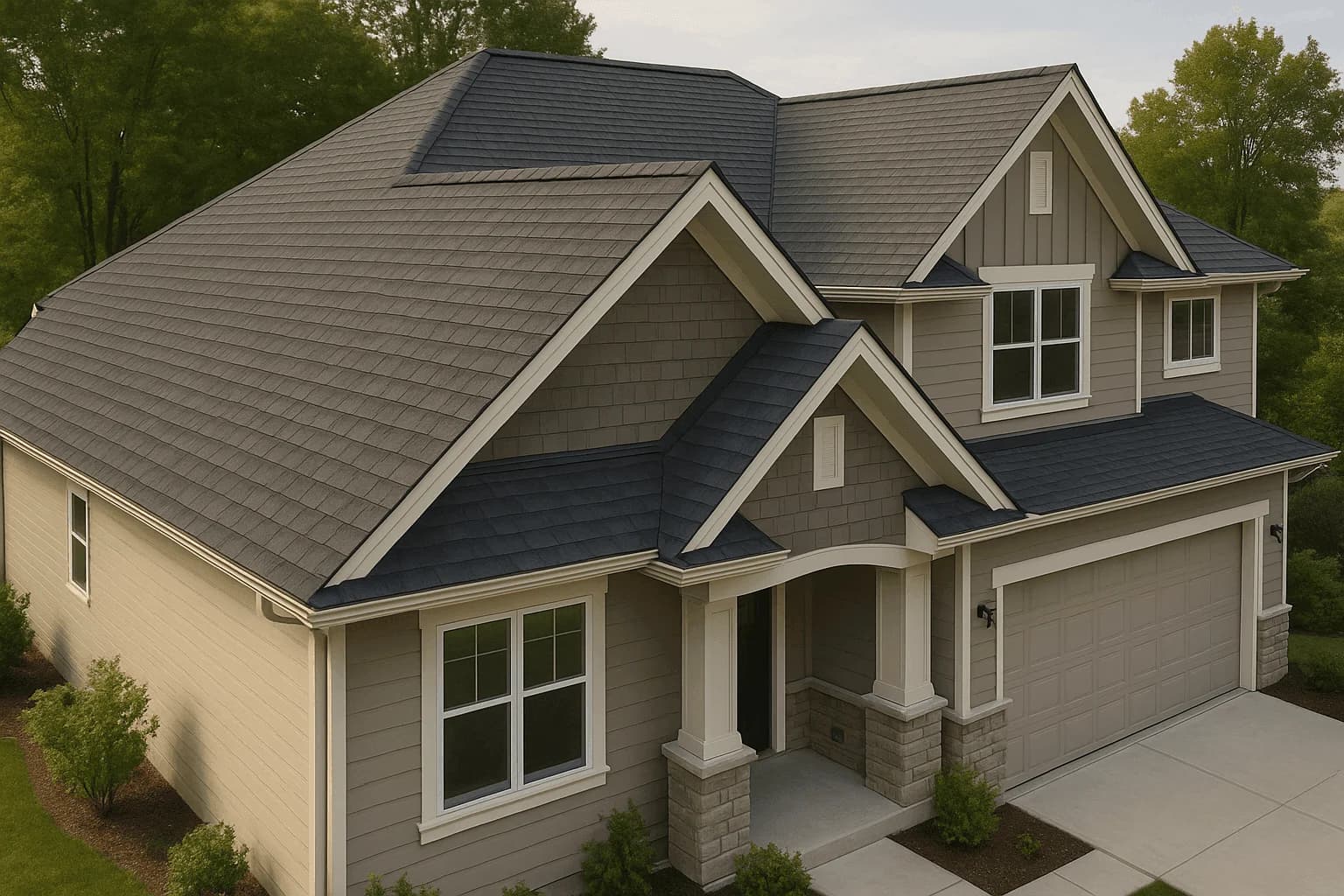
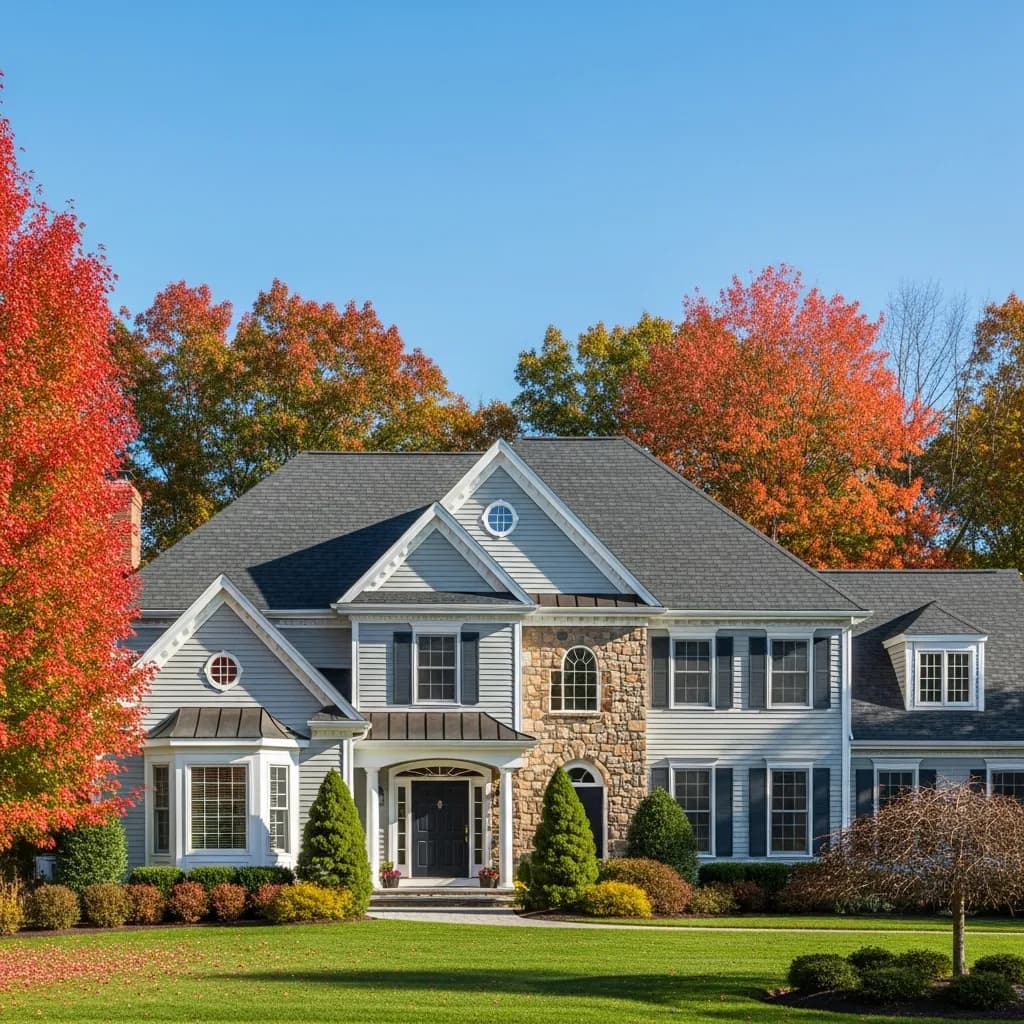
The go-to choice for most Pittsburgh neighborhoods. Premium architectural shingles handle heavy snow loads, freeze-thaw cycles, and variable weather. Ideal for Squirrel Hill, Brookline, and Beechview homes.
Best For:
Most Pittsburgh neighborhoods
Lifespan:
25-30 years
Cost Range:
$7,500 - $15,000
Wind Rating:
110-130 mph
#2: Standing Seam Metal
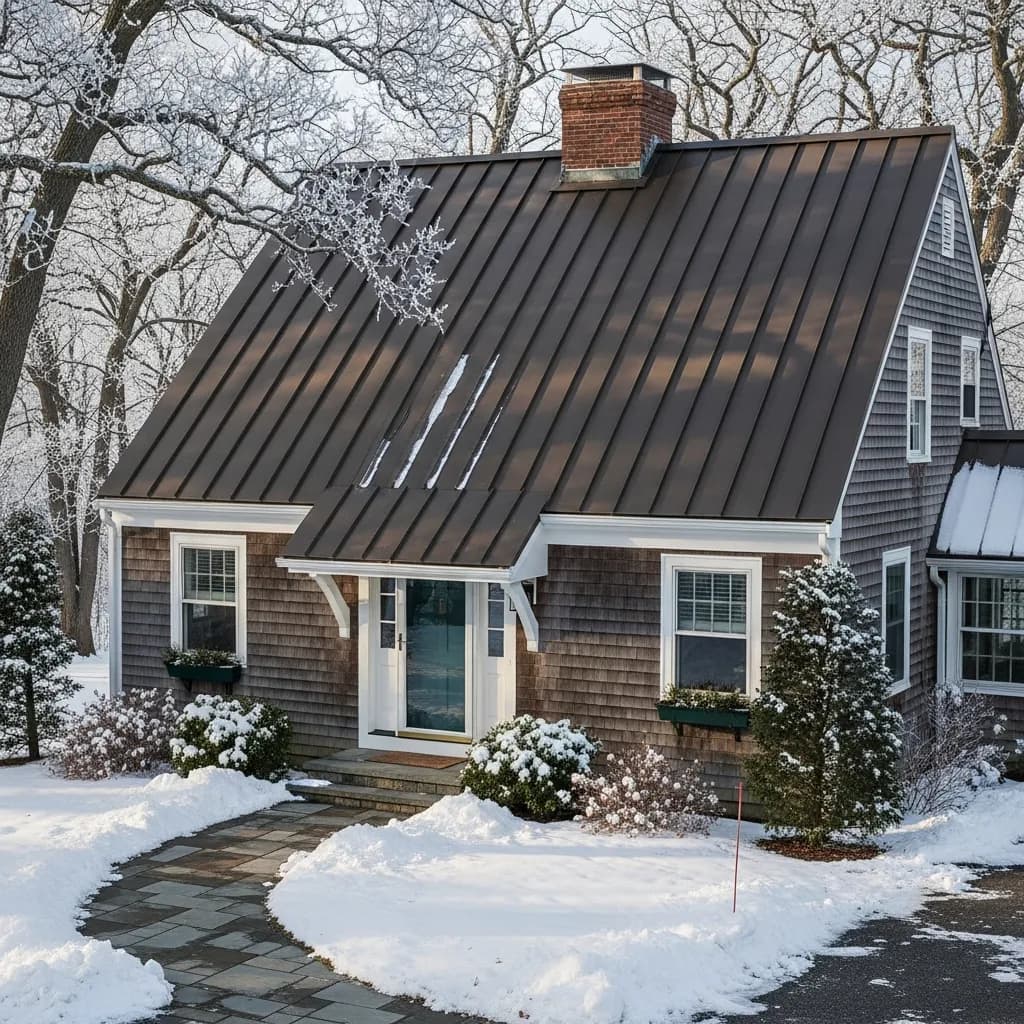
Especially popular for Pittsburgh's hillside homes where superior snow shedding prevents dangerous accumulation. Handles heavy snowfall and steep roof pitches found on Mt. Washington and Troy Hill.
Best For:
Hillside homes, steep pitches
Lifespan:
40-70 years
Cost Range:
$16,000 - $32,000
Wind Rating:
140+ mph
#3: Natural Slate
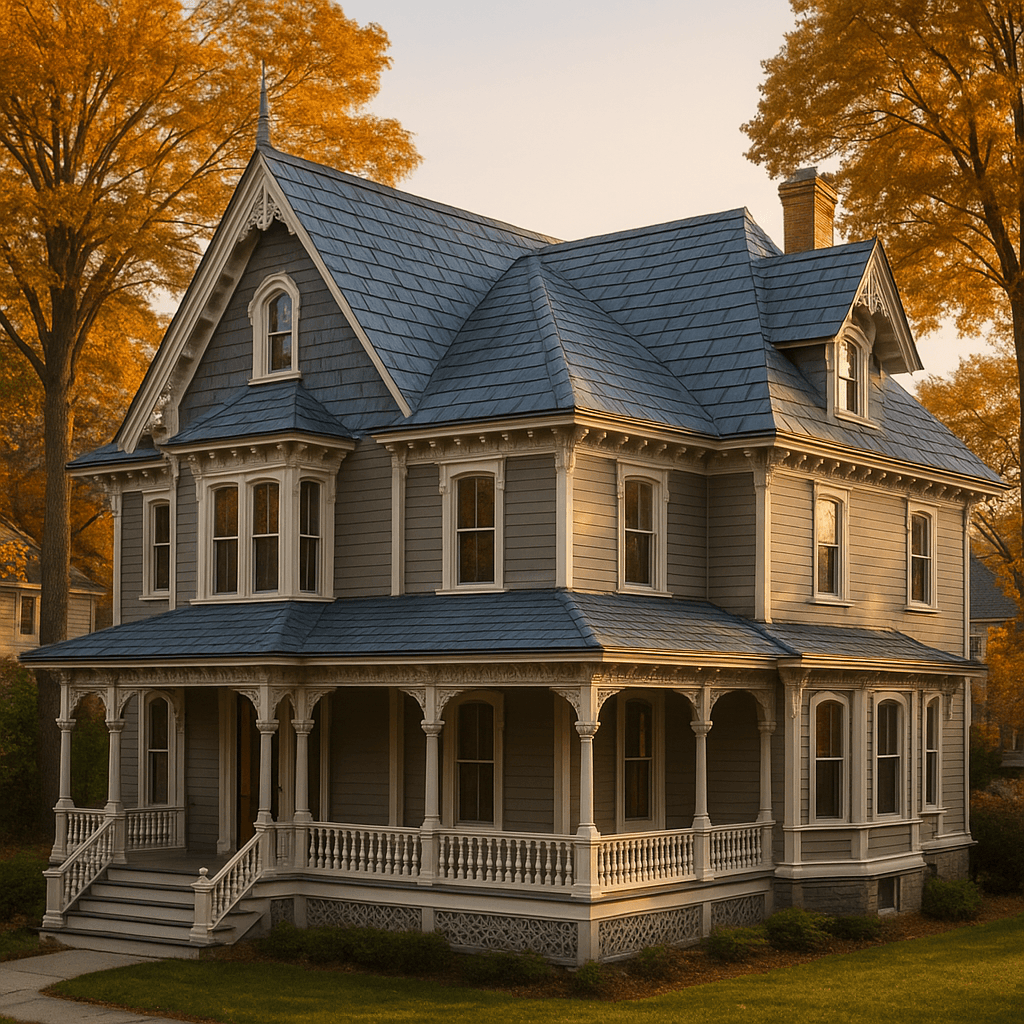
Traditional for Pittsburgh's grand Victorian neighborhoods. Shadyside mansions, Mexican War Streets row homes, and Highland Park estates often feature Pennsylvania slate. Provides exceptional longevity.
Best For:
Shadyside, historic districts
Lifespan:
75-100+ years
Cost Range:
$28,000 - $40,000
Wind Rating:
110+ mph
Pittsburgh Average Roof Cost: $7,500 - $28,000 for a typical home. Historic properties with slate may range $28,000-$40,000. Get your exact price with a free instant quote.
Pittsburgh Neighborhoods We Serve
Squirrel Hill
- - Forbes Avenue
- - Murray Avenue
- - Beechwood Boulevard
- - Tudor-style homes
- - Brick colonials
Shadyside
- - Walnut Street
- - Ellsworth Avenue
- - Amberson Avenue
- - Victorian mansions
- - Grand estates
Lawrenceville
- - Butler Street
- - Penn Avenue
- - Upper/Central/Lower
- - Renovated row homes
- - Industrial conversions
Mt. Washington
- - Grandview Avenue
- - Shiloh Street
- - Steep hillside homes
- - Incline railway area
- - River valley views
South Side
- - Carson Street
- - South Side Flats
- - South Side Slopes
- - Worker row homes
- - Steep slope access
Highland Park
- - Highland Avenue
- - Stanton Avenue
- - Near the reservoir
- - Large single-family
- - Historic Victorians
Point Breeze
- - Penn Avenue
- - Reynolds Street
- - Executive homes
- - Tree-lined streets
- - Mixed architecture
Bloomfield
- - Liberty Avenue
- - Little Italy heritage
- - Brick row homes
- - Mixed residential
- - Working class roots
Oakland
- - Forbes Avenue
- - University area
- - North/South/West
- - Apartment buildings
- - Mixed housing stock
Frequently Asked Questions About Pittsburgh Roofing
How much does a roof replacement cost in Pittsburgh, PA?
Roof replacement in Pittsburgh typically costs between $7,500 and $28,000 for a standard home. Pittsburgh's unique terrain adds complexity - homes on steep hillsides in neighborhoods like Mt. Washington, Troy Hill, and Polish Hill often cost 10-20% more due to access challenges and specialized staging. The city's 90 distinct neighborhoods feature diverse housing from grand Shadyside Victorians to South Side worker row homes. Pittsburgh receives ~44 inches of snow annually. The 7% combined sales tax (6% state + 1% Allegheny County) applies to materials. Historic properties with slate may range $28,000-$40,000.
What roofing materials are best for Pittsburgh's climate?
Pittsburgh's climate combines heavy snowfall (~44 inches), frequent freeze-thaw cycles, high humidity from the three-river confluence, and severe thunderstorms. Architectural shingles are most popular for freeze-thaw resistance and value. Standing seam metal is particularly well-suited for hillside homes where snow shedding is critical. Natural slate is traditional for historic neighborhoods. For flat-roofed row homes, TPO and EPDM membrane systems are standard. All installations should include ice and water shield, proper ventilation, and algae-resistant materials for Pittsburgh's humid conditions.
What challenges do Pittsburgh's hills create for roofing?
Pittsburgh's dramatic topography creates unique roofing challenges. The city is built on steep hillsides at the confluence of three rivers, with many homes on grades exceeding 30%. Material delivery often requires specialized equipment as standard trucks cannot navigate narrow, steep streets. Scaffolding and staging are more complex on hillside properties. Homes on ridgelines experience greater wind exposure, while valley locations face moisture issues. Snow accumulation is uneven on hillside roofs, creating stress points. Our contractors specialize in Pittsburgh's terrain.
How long does a roof replacement take in Pittsburgh?
Most Pittsburgh roof replacements take 2-5 days, with the wider range reflecting terrain challenges. Flat or gentle-slope properties in Squirrel Hill or Brookline typically take 2-3 days. Steep hillside homes in Mt. Washington or South Side Slopes may require 4-5 days. Historic slate installations take 5-10 days. Prime roofing season runs April through November. Properties in historic districts should factor in Historic Review Commission review time.
How does Pittsburgh's industrial legacy affect roofing?
Pittsburgh's century as America's steel capital (1870s-1970s) left a lasting impact on housing stock. Decades of industrial emissions accelerated deterioration of roofing materials, particularly slate and metal. While air quality has improved dramatically since the steel mills closed, many older homes still show effects on their roofing systems. Modern materials are far more resistant to environmental factors. When replacing a roof from Pittsburgh's industrial era, contractors often discover underlying structural issues requiring attention.
Nearby Cities We Serve
Get Your Pittsburgh Roof Quote in Minutes
Enter your address to compare instant quotes from pre-vetted Pennsylvania contractors who understand Pittsburgh's hillside roofing challenges