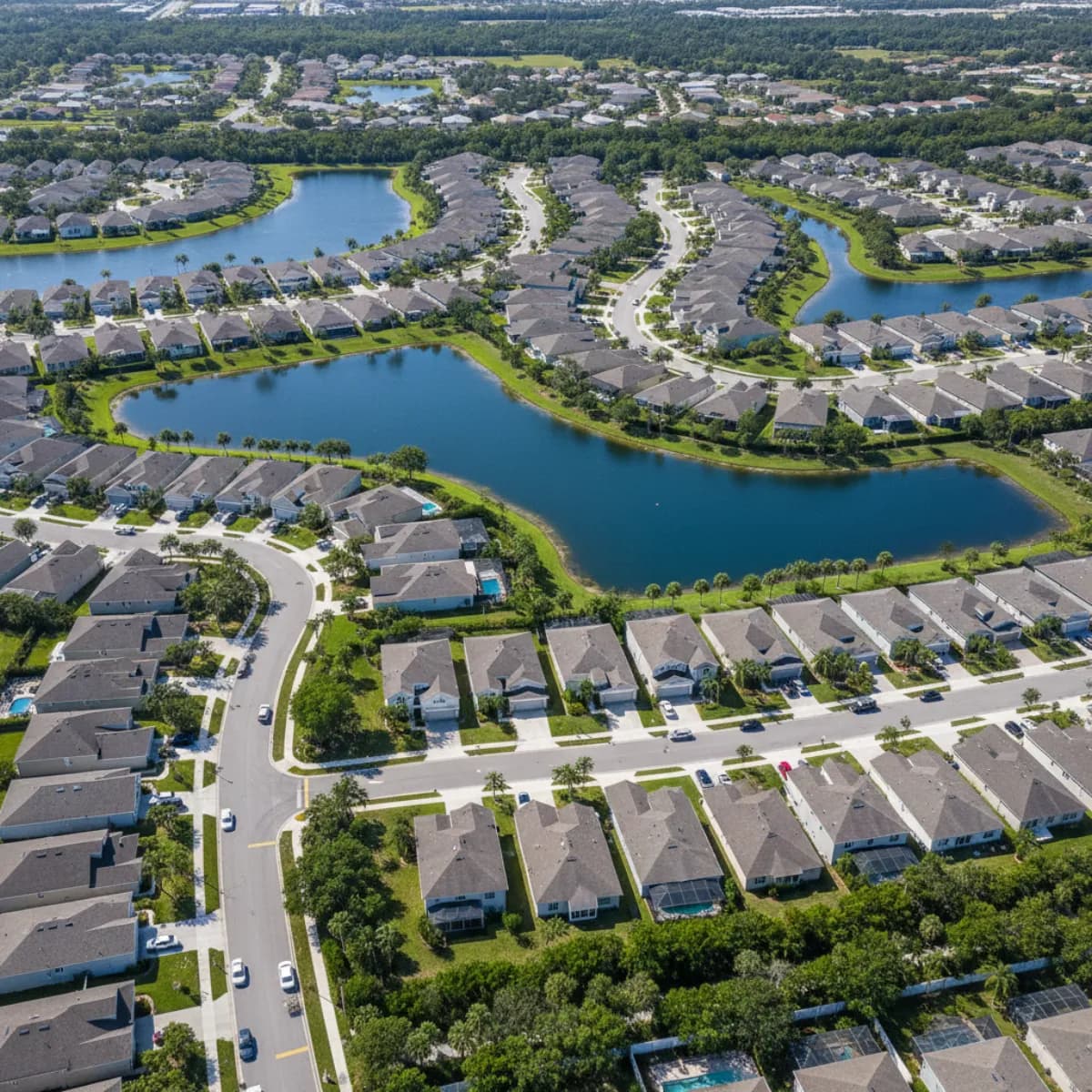
Central Florida's Largest Metro
Instant Roof Replacement Quotes in Orlando, FL
Over 300,000 residents in a metro of 2.6 million need roofing that handles hurricane-force winds, extreme UV, daily summer thunderstorms, and strict HOA requirements. Get instant quotes from pre-vetted Florida contractors for Winter Park cottages, Windermere estates, Lake Nona modern homes, and every Orlando neighborhood.
Free Quotes
no obligations ever
Contractor Bids
standardized scope comparison
Until You Choose
no spam, no lead resale
FL Contractors
licensed, insured, reviewed
Orlando at a Glance
Population
2.6M metro area
Sunny Days / Year
Intense UV exposure year-round
MPH Wind Rating
FBC minimum for Orange County
Permit Cost
Orange County re-roof permits
HOA Communities
Master-planned developments
Annual Rainfall
Intense summer thunderstorms
Roofing Challenges Unique to Orlando
Orlando sits at the heart of Central Florida, a region defined by extreme heat, punishing ultraviolet radiation, violent afternoon thunderstorms, and periodic hurricane threats. While the city is roughly 60 miles inland from the Atlantic coast, Orlando is far from sheltered. Hurricane Charley made a direct hit on the metro in August 2004, carving a path of destruction through Orange County as a Category 1 storm after crossing from the Gulf Coast. That event shattered the myth that Central Florida's inland position provides meaningful hurricane protection.
Beyond hurricanes, Orlando endures a subtropical climate that is uniquely harsh on roofing materials. Summer temperatures routinely exceed 95 degrees F with heat indices above 105. Roof surface temperatures can reach 160-170 degrees F under direct sun. The metro sits near the global lightning capital, with the Tampa-Orlando corridor recording more cloud-to-ground lightning strikes per square mile than almost any other populated area on Earth. This combination of heat, UV, moisture, wind, and electrical storms demands roofing systems engineered for resilience.
! Hurricane & Tropical Storm Risk
Orlando's inland location reduces but does not eliminate hurricane risk. Hurricane Charley (2004) struck Orlando directly, causing widespread roof damage across Orange, Osceola, and Seminole counties. Hurricanes Irma (2017) and Ian (2022) also impacted the metro with tropical-storm-force winds and flooding. The Florida Building Code requires all Orange County roofing systems to withstand sustained winds of 130+ mph, with enhanced attachment methods including 6-nail shingle patterns and hurricane straps at every truss connection.
- - 130+ mph wind-rated systems required (FBC)
- - Hurricane clips/straps at every truss connection
- - 6-nail pattern for shingle installations
- - Sealed self-adhesive underlayment in critical zones
= Extreme Heat & UV Degradation
Orlando ranks among the most UV-intense metros in the continental United States. With 233+ sunny days per year and summer highs averaging 92 degrees F (with heat indices exceeding 105), roofing materials face relentless thermal stress. UV radiation breaks down the petroleum-based binders in asphalt shingles, causing granule loss, curling, and premature aging. Standard shingles that last 30 years in northern climates may last only 20-25 years in Orlando's punishing sun.
- - Roof surface temps reach 160-170 degrees F
- - UV-resistant materials essential for longevity
- - Reflective coatings reduce cooling costs 10-25%
- - Algae-resistant shingles prevent black streaking
# Thunderstorms & Lightning
Orlando receives approximately 51 inches of rain annually, with the vast majority falling during intense afternoon thunderstorms between May and October. These storms produce heavy downpours (2-3 inches in under an hour), frequent lightning, hail, and occasional straight-line winds exceeding 60 mph. The Tampa-Orlando corridor is one of the most lightning-active regions on Earth, making proper grounding and non-conductive underlayment considerations important for metal roofing installations.
- - 51 inches annual rainfall, heavily concentrated
- - Waterproof underlayment critical for leak prevention
- - Proper drainage design prevents ponding
- - Lightning grounding considerations for metal roofs
* HOA & Master-Planned Community Rules
Orlando is one of the most HOA-governed metro areas in the United States. The explosive growth of master-planned communities since the 1990s means that a majority of Orlando-area homes fall under Architectural Review Committee (ARC) oversight. Communities like Celebration (Disney-developed), Baldwin Park, Lake Nona, Avalon Park, Hunters Creek, and Laureate Park enforce strict guidelines on roofing materials, colors, and profiles that must be navigated before any replacement project begins.
- - ARC pre-approval required before roofing work
- - Specific color palettes and material mandates
- - Some HOAs prohibit metal roofing
- - Non-compliance fines of $100-$250 per day
Orlando Roof Replacement Cost by Material
Orlando roofing costs are influenced by Florida Building Code hurricane compliance requirements, Orange County permitting, the subtropical climate's demands on materials, and the prevalence of HOA-governed communities that may restrict material choices. Central Florida's booming construction market, fueled by the theme park corridor's continuous expansion and one of the fastest-growing metro populations in the United States, also affects contractor availability and pricing.
The following cost ranges reflect typical Orlando-area pricing for a standard 2,000-2,500 square foot roof, including materials, labor, permits, debris removal, and FBC-compliant installation. Actual costs vary based on roof pitch, number of stories, accessibility, decking condition, and HOA material requirements.
Architectural Shingles
#1: Architectural Shingles
The dominant roofing material across the Orlando metro, installed on an estimated 70-75% of residential roofs. Modern architectural (dimensional) shingles offer a significant upgrade over the three-tab shingles that were standard through the 1990s. Premium brands like GAF Timberline HDZ and CertainTeed Landmark carry wind warranties up to 130 mph, meeting the Florida Building Code minimum for Orange County. For Orlando, algae-resistant granules are essential; without them, the humid subtropical climate produces unsightly black streaking within 3-5 years from Gloeocapsa magma algae growth. SBS-modified (rubberized) shingles offer enhanced flexibility in extreme heat, reducing thermal cracking.
Best For:
Most Orlando homes, budget-conscious replacements
Lifespan:
20-30 years (Orlando climate)
Cost Range:
$8,500 - $18,000
Wind Rating:
Up to 130 mph (Class H)
Concrete Tile
#2: Concrete Tile
The premium choice for Orlando's upscale communities, concrete tile is common throughout Windermere, Dr. Phillips, Isleworth, Lake Nona's estate sections, and the gated communities along the Butler Chain of Lakes. Flat (S-tile), barrel, and flat profile concrete tiles provide exceptional wind resistance when properly installed with foam adhesive and mechanical fasteners, withstanding 150+ mph winds. Concrete tile's thermal mass naturally moderates attic temperatures, reducing cooling costs in Orlando's brutal summers. The material is impervious to UV degradation and algae, lasting 50+ years with minimal maintenance. The primary drawback is weight: concrete tile requires structural verification to ensure the roof framing can support 900-1,100 pounds per square (100 sq ft).
Best For:
Upscale communities, Mediterranean/Spanish styles
Lifespan:
50+ years
Cost Range:
$18,000 - $35,000
Wind Rating:
150+ mph with foam adhesive
Standing Seam Metal
#3: Standing Seam Metal
The fastest-growing roofing material in the Orlando market. Standing seam metal panels interlock without exposed fasteners, providing exceptional wind resistance (140-160 mph) and virtually eliminating leak points. Metal reflects a significant portion of solar radiation, reducing attic heat gain by 25-40% compared to dark shingles, a meaningful advantage when Orlando cooling systems run 8-10 months per year. Galvalume and aluminum panels resist Florida's humid, corrosion-promoting environment better than steel. Standing seam metal is particularly popular for lakefront properties, contemporary new construction in Lake Nona and Laureate Park, and homeowners prioritizing long-term value. Some HOAs still restrict metal roofing, so ARC pre-approval is essential.
Best For:
Modern homes, lakefront properties, long-term value
Lifespan:
40-70 years
Cost Range:
$20,000 - $45,000
Energy Savings:
25-40% cooling reduction
Impact-Resistant
#4: Impact-Resistant Shingles
A smart upgrade for Orlando homeowners seeking insurance savings alongside storm protection. Class 4 impact-resistant shingles (such as Malarkey Vista AR and TAMKO StormFighter IR) are engineered to withstand impacts from 2-inch steel balls dropped from 20 feet, simulating large hailstone strikes. While Orlando sees less hail than Midwest cities, the insurance premium reductions for impact-resistant roofing can be substantial in Florida. These shingles also carry enhanced wind ratings and improved algae resistance. The 15-25% cost premium over standard architectural shingles is often recouped within 3-5 years through lower insurance premiums.
Best For:
Insurance savings, enhanced storm protection
Lifespan:
25-35 years
Cost Range:
$10,000 - $22,000
Insurance Benefit:
15-45% wind premium reduction
Orlando Average Roof Cost: Architectural shingles $8,500-$18,000. Concrete tile $18,000-$35,000. Standing seam metal $20,000-$45,000. Impact-resistant shingles $10,000-$22,000. All prices include FBC-compliant installation, Orange County permits, and debris removal. Get your exact price with a free instant estimate.
Orlando & Orange County Building Requirements
Important Local Regulations
Orange County Permits
All roof replacements within the City of Orlando require permits through the Development Services Center. Unincorporated Orange County areas are handled by the Orange County Building Safety Division. Permit fees range from $150 to $400 depending on project scope. A Notice of Commencement must be recorded with the Orange County Comptroller before work begins. Multiple inspections are required: initial sheathing/underlayment inspection, progress inspection, and final inspection. Florida law (Chapter 553) requires a final inspection sign-off before any permit can be closed.
Florida Building Code (FBC) Wind Requirements
The Florida Building Code, one of the strictest in the nation, mandates specific wind resistance standards for Orlando and Orange County. All roofing systems must be rated for the local design wind speed (130+ mph for most of Orlando). This requires enhanced fastener patterns (6-nail method for shingles), sealed underlayment in areas within 3 feet of roof edges and penetrations, hurricane clips or straps at every truss-to-wall connection, and FBC-approved products carrying a Florida Product Approval (FPA) or Miami-Dade Notice of Acceptance (NOA).
Wind Mitigation Inspections
Florida law requires insurers to offer premium discounts for qualifying wind mitigation features. After a roof replacement, homeowners should obtain a Wind Mitigation Inspection (using the OIR-B1-1802 form) from a qualified inspector. Key discount-earning features include: FBC-equivalent roof covering, secondary water barrier (sealed roof deck), hip roof geometry, opening protection, and roof-to-wall connection type. These discounts can reduce the wind portion of insurance premiums by 15-45%.
Florida Contractor Licensing
Florida requires all roofing contractors to hold a valid Certified Roofing Contractor (CCC) or Registered Roofing Contractor license issued by the Florida Department of Business and Professional Regulation (DBPR). Verify any contractor at myfloridalicense.com. Licensed contractors must carry general liability insurance (minimum $300,000), workers' compensation coverage, and a $5,000 contractor bond. Working with an unlicensed contractor is a violation of Florida Statute 489 and can void insurance claims.
HOA Architectural Review
Most Orlando-area master-planned communities require Architectural Review Committee (ARC) approval before any exterior modification, including roof replacement. Submit applications with proposed materials, colors, and manufacturer specifications. Allow 2-4 weeks for ARC review in most communities. Some HOAs maintain approved contractor lists. Florida Statute 720.3035 limits HOA authority to prohibit certain solar installations, but roofing material restrictions remain enforceable.
Orlando Hurricane History & Roof Preparedness
Central Florida's hurricane history proves that Orlando's inland position provides limited protection. Understanding this history is essential for making informed roofing decisions. The 2004 hurricane season was a turning point for Orlando roofing standards, and the lessons from that season continue to shape the Florida Building Code and local installation practices.
Major Storms Affecting Orlando
Hurricane Charley (August 2004)
Made a direct hit on Orlando as a Category 1 storm after crossing Florida from Charlotte Harbor as a Category 4. Charley caused extensive roof damage across Orange County, with wind gusts exceeding 100 mph in some areas. The storm destroyed or damaged over 10,000 structures in the Orlando metro. It remains the most significant direct hurricane impact on the city in modern history and drove major updates to the Florida Building Code for inland wind requirements.
Hurricanes Frances & Jeanne (Sept 2004)
Just weeks after Charley, Hurricanes Frances and Jeanne both tracked through Central Florida, delivering tropical-storm-force winds to an already battered Orlando metro. The cumulative effect of three hurricanes in six weeks overwhelmed roofing contractors and exposed vulnerabilities in homes that had survived Charley with marginal damage. Roofs weakened by Charley failed under the sustained rain and wind of the subsequent storms.
Hurricane Irma (September 2017)
Tracked up the center of the state, delivering tropical-storm-force winds and significant rainfall to the Orlando metro. While not a direct hit at hurricane strength, Irma produced widespread tree damage that caused secondary roof impacts across Orange, Seminole, and Osceola counties. The storm highlighted the vulnerability of aging shingle roofs installed before the post-2004 FBC updates.
Hurricane Ian (September 2022)
Made landfall near Fort Myers as a Category 4 storm and tracked through Central Florida, bringing tropical-storm-force winds and catastrophic flooding to the Orlando metro. Orange County recorded significant flooding in areas near lakes and rivers. The storm reinforced the importance of waterproof underlayment and proper drainage systems, not just wind resistance, in Orlando roofing installations.
These storm events demonstrate why the Florida Building Code requires such stringent roofing standards even in "inland" locations like Orlando. A roof installed to current FBC standards is engineered to withstand the types of wind events Orlando has experienced historically. Our pre-vetted contractors install exclusively to FBC standards and can recommend additional upgrades, such as secondary water barriers and impact-resistant materials, that provide extra protection and reduce insurance premiums.
Orlando Neighborhoods We Serve
From the tree-canopied streets of Winter Park to the master-planned boulevards of Celebration, our pre-vetted contractors serve every corner of the Orlando metro. Each neighborhood brings unique roofing requirements shaped by its architecture, HOA governance, tree canopy, and proximity to lakes and wetlands.
Winter Park
- - Historic homes along Park Avenue
- - Dense oak canopy and debris management
- - Rollins College neighborhood
- - Lakefront properties on chain of lakes
- - Separate city permits from Orlando
Dr. Phillips & Windermere
- - Upscale estates along Butler Chain of Lakes
- - Concrete tile dominant in gated communities
- - Isleworth and Bay Hill premium properties
- - Restaurant Row corridor growth
- - Strict HOA material requirements
Lake Nona
- - Newest master-planned community
- - Medical City and VA Hospital corridor
- - Contemporary architecture, metal-friendly
- - Laureate Park and Lago communities
- - Strict ARC review for all materials
College Park & Thornton Park
- - Orlando's walkable urban neighborhoods
- - 1920s-1950s bungalows and cottages
- - Historic character preservation
- - Mature tree canopy, debris concerns
- - Mixed architectural styles
Baldwin Park
- - Former Naval Training Center redevelopment
- - Traditional Neighborhood Design (TND)
- - Strict architectural guidelines
- - Mix of townhomes and single-family
- - Premium material requirements
Celebration
- - Disney-developed master-planned community
- - Some of the strictest HOA rules in Florida
- - Specific approved material and color palettes
- - Osceola County permits (not Orange)
- - Premium architectural standards
Hunters Creek & Meadow Woods
- - Large suburban community south of Orlando
- - Affordable to mid-range homes
- - Architectural shingles predominant
- - Active HOAs with moderate restrictions
- - Good candidate for insurance upgrades
Horizon West & Hamlin
- - Fastest-growing area in Orange County
- - New construction 2015-present
- - Mix of shingle and tile roofs
- - Multiple overlapping HOA jurisdictions
- - Theme park corridor expansion
Avalon Park & East Orlando
- - TND community with village centers
- - UCF corridor student and family housing
- - Waterford Lakes commercial growth
- - Moderate HOA requirements
- - Affordable replacement market
Insurance Considerations for Orlando Homeowners
Florida's Insurance Crisis & Your Roof
Florida's homeowners insurance market has been in turmoil since 2020, with multiple carriers leaving the state or drastically reducing coverage. Orlando homeowners face some of the highest insurance premiums in the nation, averaging $4,000-$6,000 annually for standard coverage. While Orlando's inland location provides a modest premium advantage over coastal cities like Miami and Tampa, rates remain far above the national average. Your roof is the single most influential factor in determining your insurance premium and coverage eligibility in Florida.
Orlando's Inland Advantage
- - Lower base wind premium than coastal FL
- - Less exposure to salt air corrosion
- - Reduced storm surge and flooding risk
- - Broader availability of private market carriers
- - Better candidacy for preferred rating tiers
Maximizing Insurance Savings
- - New FBC-compliant roof: 15-25% premium reduction
- - Impact-resistant shingles: additional 5-15% savings
- - Secondary water barrier: significant discount
- - Hip roof design: better than gable for wind
- - Wind Mitigation Inspection: documents all discounts
Our pre-vetted contractors understand Florida's insurance requirements and install every roof to maximize your Wind Mitigation Inspection results. Many Orlando homeowners find that insurance savings from a new, code-compliant roof offset a significant portion of the replacement cost over the roof's lifetime.
Orlando's Growth & What It Means for Roofing
Orlando is consistently ranked among the fastest-growing metro areas in the United States. The theme park corridor, anchored by Walt Disney World, Universal Orlando Resort, and SeaWorld, drives a massive tourism economy that attracts over 75 million visitors annually. This economic engine fuels continuous residential construction, from sprawling master-planned communities like Horizon West and Lake Nona to infill development in established neighborhoods like College Park and Thornton Park.
For homeowners, this growth has practical roofing implications. High demand for construction labor keeps contractor availability tight and prices firm, particularly during the peak building season from October through May (when dry weather and lower humidity create ideal installation conditions). The influx of new residents also means a constant stream of homes aging into their first roof replacement cycle, as communities built during Orlando's boom decades (1990s-2010s) reach the 20-30 year mark when asphalt shingles typically need replacement.
Additionally, Orlando's real estate market places a premium on curb appeal and code compliance. Homes with aging or damaged roofs face buyer resistance in a competitive market, and insurance companies have become increasingly strict about insuring homes with roofs older than 15-20 years. Proactive roof replacement protects both your home and your property value in Central Florida's dynamic housing market.
Frequently Asked Questions About Orlando Roofing
How much does a roof replacement cost in Orlando, FL?
Architectural shingles cost $8,500-$18,000 in Orlando. Concrete tile ranges $18,000-$35,000. Standing seam metal runs $20,000-$45,000. Florida Building Code hurricane compliance and Orange County permits ($150-$400) influence total costs.
What wind rating does my Orlando roof need?
Orlando requires 130+ mph wind-rated roofing systems per the Florida Building Code. Enhanced nail patterns, sealed shingle tabs, and hurricane clips are mandatory. Hurricane Charley hit Orlando directly in 2004.
Do I need a permit for roof replacement in Orlando?
Yes. All Orlando and Orange County roof replacements require permits. Fees range $150-$400. A Notice of Commencement must be filed, and multiple inspections are mandatory before permit closure.
What are the best roofing materials for Orlando's climate?
Architectural shingles with algae resistance are most popular. Concrete tile suits upscale communities with 50+ year lifespans. Metal roofing is growing fast, reflecting heat and withstanding 140+ mph winds.
How does Orlando's inland location affect hurricane roofing requirements?
Orlando has lower wind speed requirements than coastal cities but still mandates 130+ mph ratings. Hurricane Charley proved inland Orlando is vulnerable. Insurance discounts are better than coastal areas.
How do HOA rules affect roofing choices in Orlando?
Orlando is extremely HOA-dense. Communities like Celebration, Baldwin Park, and Lake Nona require ARC pre-approval for roofing. Restrictions cover materials, colors, and profiles. Non-compliance fines can reach $100-$250/day.
How long does a roof replacement take in Orlando?
Shingle roofs take 2-4 days. Tile and metal take 5-8 days. Daily summer thunderstorms can add 1-2 days. Orange County permits take 5-10 business days. Plan 3-6 weeks total in normal conditions.
What insurance discounts are available for Orlando roofs?
Florida law mandates wind mitigation discounts. Impact-resistant materials, secondary water barriers, and hip roof designs can save 15-45% on wind premiums. A Wind Mitigation Inspection documents qualifying features.
Florida Roofing Resources
Florida State Overview
All Florida roofing resources and city pages
Florida Roof Replacement Cost Guide
Detailed pricing for all FL regions and materials
Best Roofing Materials for Florida
Hurricane-rated and heat-resistant recommendations
Florida Hurricane Roofing Guide
FBC wind requirements and storm preparation
Get Your Orlando Roof Quote in Minutes
Enter your address to compare instant quotes from pre-vetted Florida contractors who specialize in hurricane-rated installations, HOA-compliant materials, and Central Florida's extreme climate demands