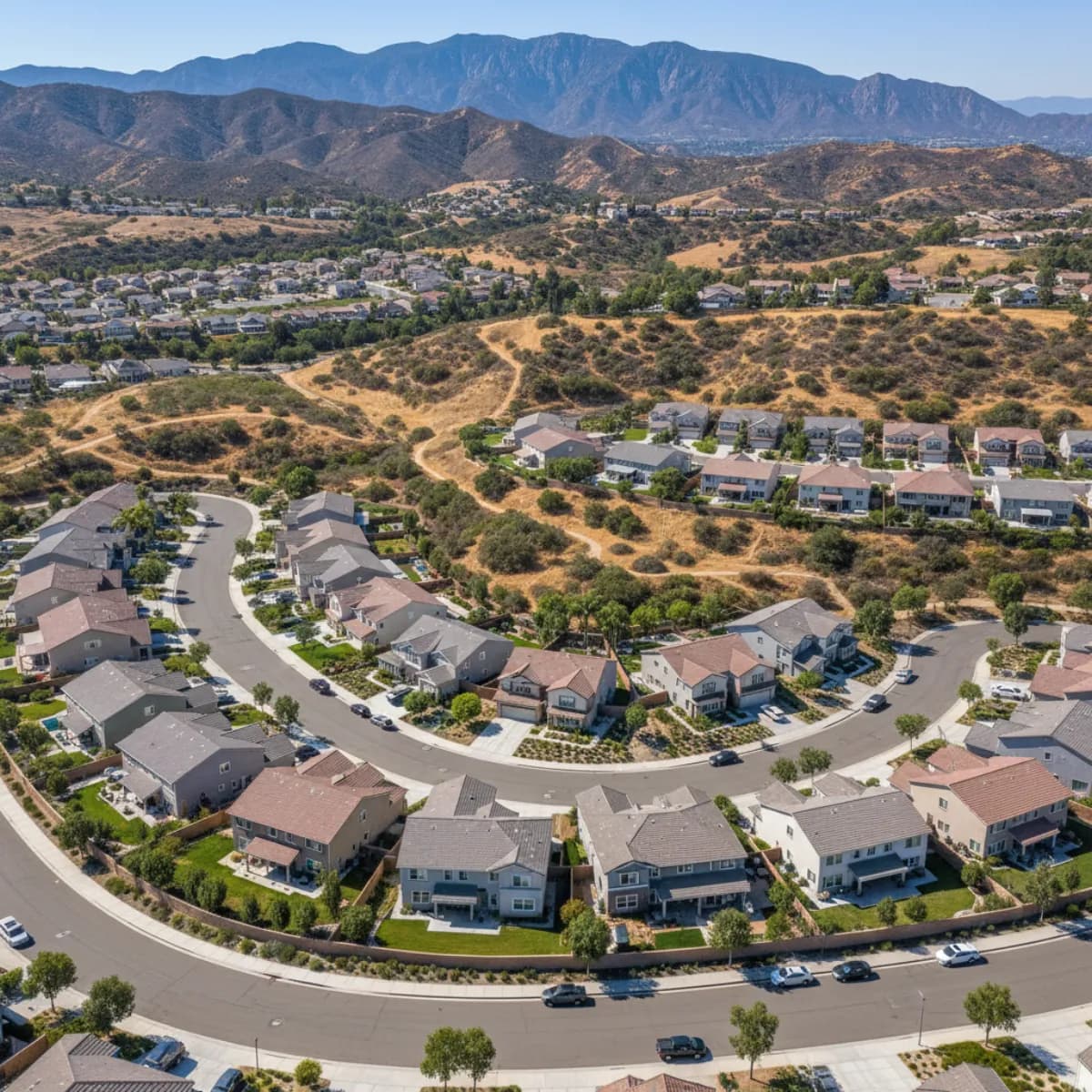
Santa Clarita Valley, California
Instant Roof Replacement Quotes in Santa Clarita, CA
Over 228,000 residents across the Santa Clarita Valley need roofing that handles WUI fire zones, Santa Ana wind corridors, and relentless summer heat exceeding 100 degrees F. Get instant quotes from pre-vetted California contractors for Valencia master-planned homes, Canyon Country ranches, Saugus neighborhoods, and every community across the SCV.
Free Quotes
no obligations ever
Contractor Bids
standardized scope comparison
Until You Choose
no spam, no lead resale
CA Contractors
licensed, insured, reviewed
Santa Clarita at a Glance
Population
3rd largest city in LA County
Summer Highs
Hot, dry inland valley climate
Acres Burned
Sand Fire, 2016
Permit Cost
City of Santa Clarita
Fire Rating Required
Mandatory in WUI zones
Title 24 Climate Zone
Cool roof requirements apply
Roofing Challenges Unique to Santa Clarita
The Santa Clarita Valley sits at the critical intersection of suburban development and wildland terrain, creating roofing challenges that are fundamentally different from coastal LA. Bordered by the Angeles National Forest to the north and east, the SCV's canyon topography channels Santa Ana winds, amplifies fire risk, and subjects roofs to some of the most extreme temperature swings in Southern California. Homeowners in Valencia, Canyon Country, Saugus, Newhall, Stevenson Ranch, Castaic, and Agua Dulce each face specific challenges based on their proximity to wildland corridors and canyon wind funnels.
! Wildland-Urban Interface Fire Zones
Santa Clarita's wildfire history is well documented. The Sand Fire (2016) scorched over 41,000 acres from Sand Canyon to Placerita Canyon, destroying 18 structures. The Tick Fire (2019) tore through Canyon Country, destroying 24 structures and damaging 55 more. Large portions of the SCV are designated Very High Fire Hazard Severity Zones (VHFHSZ) by CAL FIRE, particularly along the wildland boundaries bordering the Angeles National Forest.
- - Class A fire-rated assemblies mandatory in WUI zones
- - Ember-resistant roof vents required per CBC Chapter 7A
- - Fire-resistant underlayment in VHFHSZ areas
- - Non-combustible eave and fascia materials
~ Santa Ana Wind Corridors
The Santa Clarita Valley acts as a funnel for Santa Ana winds blowing southwest from the high desert through mountain passes. Wind speeds of 50-70 mph are common during events, with gusts exceeding 90 mph in canyon areas like Sand Canyon, Placerita Canyon, and the Castaic corridor. These winds desiccate roofing materials, drive embers miles ahead of fire fronts, and can tear off poorly secured tiles and shingles.
- - Wind-rated installation (110+ mph) essential
- - Enhanced nail patterns and adhesion for shingles
- - Tile clips and foam adhesive for concrete tile
- - Sealed roof edges to prevent wind uplift
= Extreme Heat & UV Exposure
Santa Clarita's inland valley location produces some of Southern California's most extreme temperatures. Summer highs routinely exceed 100 degrees F, with heat waves pushing temperatures to 110-115 degrees F. Roof surface temperatures can reach 160-180 degrees F during peak summer. This intense, sustained heat accelerates asphalt shingle degradation 25-35% faster than coastal areas and causes thermal expansion stress on all roofing systems.
- - Title 24 cool roof requirements for climate zone 9
- - High Solar Reflectance Index (SRI) materials required
- - Concrete tile reflects heat naturally with thermal mass
- - Metal roofing with reflective coatings reduces cooling costs
# Dual Permit Jurisdictions
Santa Clarita Valley homeowners must navigate two separate permitting authorities. The incorporated City of Santa Clarita handles permits for Valencia, Saugus, Canyon Country, and Newhall through its Building and Safety Division. Unincorporated communities like Castaic, Agua Dulce, and Acton fall under LA County Building and Safety, which has different fee structures and processing timelines.
- - City of Santa Clarita: $250-$600 permit fees
- - LA County (Castaic, Agua Dulce): separate fee schedule
- - Multiple inspections required at both jurisdictions
- - Fire zone properties may need additional fire review
Santa Clarita's Wildfire History & What It Means for Your Roof
Understanding the Santa Clarita Valley's wildfire history is essential for making informed roofing decisions. The SCV has experienced multiple major fire events in recent years, each reshaping the local building code landscape and insurance market.
Sand Fire — July 2016
Originating near Sand Canyon Road, the Sand Fire burned 41,432 acres over 18 days, destroying 18 structures and damaging 4 others. The fire swept through Sand Canyon, Placerita Canyon, and threatened neighborhoods in Canyon Country and Agua Dulce. It was one of the largest fires in LA County history and directly led to stricter WUI building requirements for the area.
Impact: Accelerated adoption of Class A fire-rated roofing and ember-resistant vent requirements in SCV building codes.
Tick Fire — October 2019
The Tick Fire burned 4,615 acres in Canyon Country, driven by Santa Ana winds gusting to 60+ mph. It destroyed 24 structures and damaged 55 others, forcing the evacuation of over 50,000 residents. The fire demonstrated how quickly flames can reach established neighborhoods in the SCV when Santa Ana winds are active, particularly in communities adjacent to open hillsides.
Impact: Led to insurance non-renewals in Canyon Country canyon-adjacent areas and increased demand for fire-resistant roofing upgrades.
These events have permanently shaped the roofing landscape in Santa Clarita. Properties near fire corridors now face stricter building requirements, higher insurance premiums, and in some cases, difficulty obtaining insurance coverage at all. Investing in Class A fire-rated roofing assemblies with ember-resistant components is no longer optional in much of the SCV — it is a practical necessity for both safety and insurability.
Santa Clarita Roof Replacement Cost by Material
Santa Clarita roofing costs run 15-25% above the national average due to California labor rates, Title 24 energy compliance, fire-zone requirements, and permit fees. The SCV's master-planned communities often require specific materials and colors through HOA guidelines, which can further influence material selection and cost.
Concrete Tile
#1: Concrete Tile
The dominant roofing material across Santa Clarita's master-planned communities. Concrete tile offers a 50+ year lifespan, inherent Class A fire rating, and natural thermal mass that helps regulate indoor temperatures during the SCV's extreme summer heat. Most Valencia and Stevenson Ranch HOAs require concrete tile in specific profiles and color ranges. Flat profile tiles are most common, though barrel (Mission) and S-tile profiles are found throughout Newhall's historic areas.
Best For:
HOA communities, fire-zone homes
Lifespan:
50-75 years
Cost Range:
$25,000 - $55,000
Fire Rating:
Class A (non-combustible)
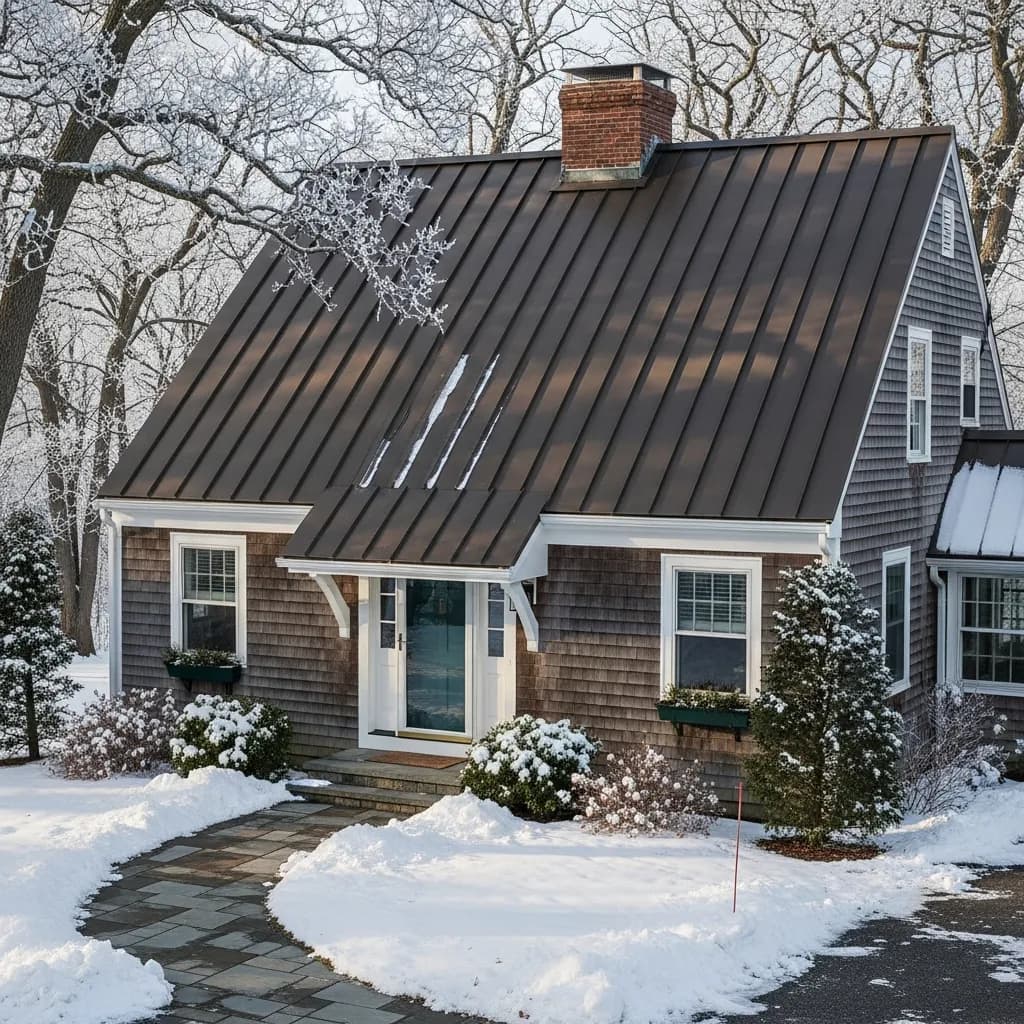
#2: Standing Seam Metal
Increasingly popular in Santa Clarita for its exceptional wind resistance, fire protection, and heat reflectivity. Standing seam metal with cool-roof coatings can reflect up to 70% of solar energy, significantly reducing cooling costs during the SCV's brutal summers. Metal's interlocking panel design resists Santa Ana wind uplift far better than tile or shingles. Particularly suited for Castaic, Agua Dulce, and rural SCV properties where maximum fire and wind protection is paramount.
Best For:
Wind-prone areas, rural properties
Lifespan:
40-70 years
Cost Range:
$22,000 - $48,000
Wind Rating:
Up to 140 mph
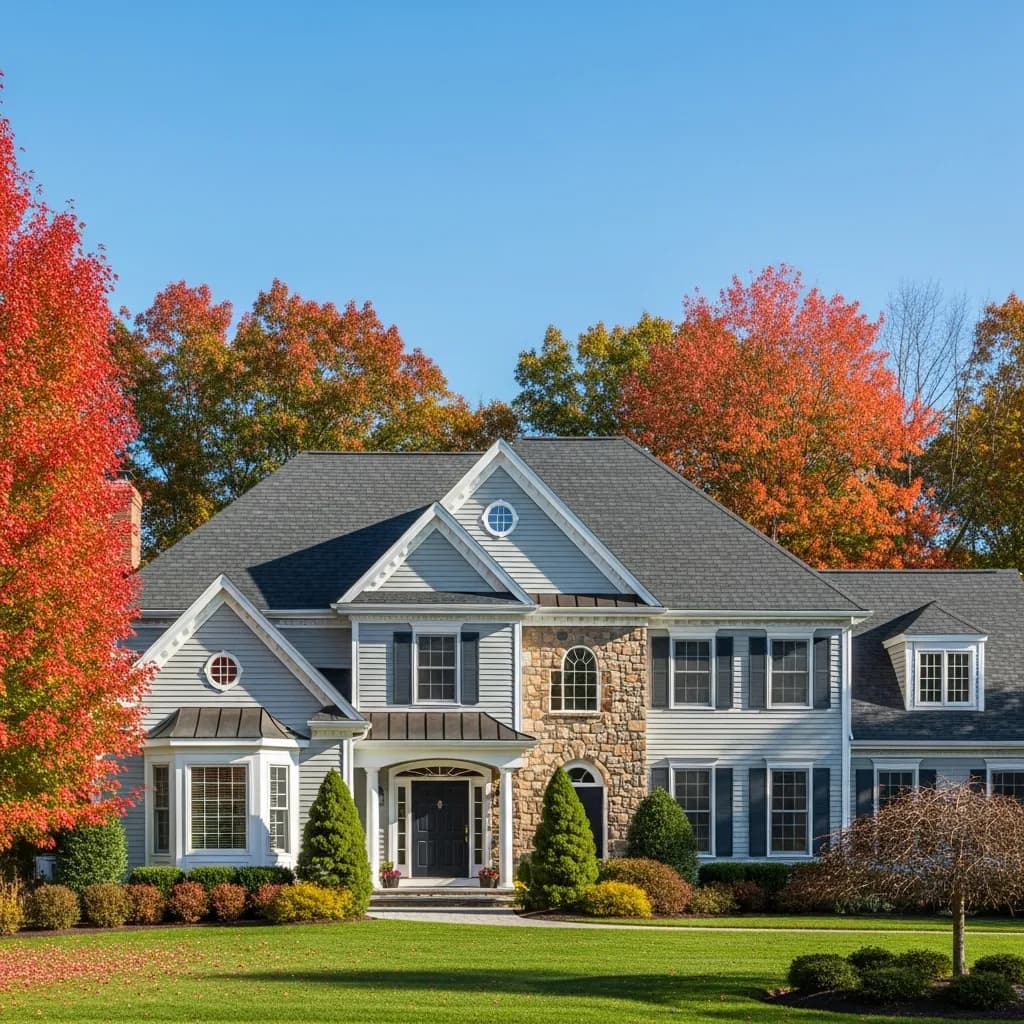
#3: Cool-Rated Architectural Shingles
The most affordable option for Santa Clarita homeowners, though with important caveats. Title 24 mandates cool-rated shingles with reflective granules in the SCV's climate zone 9. While cost-effective upfront, standard asphalt shingles degrade 25-35% faster in the SCV's extreme heat compared to coastal areas, reducing effective lifespan to 15-22 years rather than the rated 25-30. Best suited for Canyon Country and Saugus neighborhoods without HOA tile requirements. Must achieve Class A fire rating for WUI zone installation.
Best For:
Budget-conscious, non-HOA homes
Lifespan:
15-22 years (SCV climate)
Cost Range:
$12,000 - $28,000
Requirement:
Must be Title 24 cool-rated
Clay Tile
#4: Clay Tile
Premium option found on higher-end homes in Stevenson Ranch, Valencia Woodlands, and custom builds throughout the SCV. Clay tile provides the longest lifespan of any residential roofing material (75-100+ years), exceptional fire resistance, and a distinctive aesthetic. Its higher weight requires verified structural adequacy, and clay's premium cost puts it above concrete tile. Particularly well-suited for Spanish and Mediterranean architectural styles prevalent in newer SCV developments.
Best For:
Premium homes, Spanish/Mediterranean style
Lifespan:
75-100+ years
Cost Range:
$35,000 - $65,000
Fire Rating:
Class A (non-combustible)
Santa Clarita Average Roof Cost: Cool-rated shingles $12,000-$28,000. Concrete tile $25,000-$55,000. Standing seam metal $22,000-$48,000. Clay tile $35,000-$65,000. SCV costs run 15-25% above the national average. WUI fire-zone homes pay an additional 10-20% for required fire-resistant assemblies. Get your exact price with a free instant estimate.
Santa Clarita Building Requirements
Important Local Regulations
City of Santa Clarita Permits
All roof replacements within the incorporated City of Santa Clarita (Valencia, Saugus, Canyon Country, Newhall) require permits through the Santa Clarita Building and Safety Division. Permit fees range from $250-$600 depending on project scope. Applications can be submitted online through the city's permitting portal. Processing typically takes 1-3 weeks. Multiple inspections are required at progress and completion stages.
LA County Permits (Unincorporated Areas)
Properties in unincorporated communities like Castaic, Agua Dulce, Acton, and Stevenson Ranch (parts of which are unincorporated) must obtain permits through LA County Building and Safety. The county follows a different fee schedule and inspection process. Processing times may be longer than city permits due to the county's larger jurisdiction.
Title 24 Energy Standards
California's Title 24 Building Energy Efficiency Standards require cool roofing materials in Santa Clarita's climate zone 9. Steep-slope roofing must meet minimum Solar Reflectance Index (SRI) values. Cool-rated shingles, reflective metal, and naturally reflective tile all comply. Non-compliant materials will fail inspection.
WUI Fire Zone Compliance
Properties in Wildland-Urban Interface zones must comply with California Building Code Chapter 7A, which mandates Class A fire-rated roof assemblies, ember-resistant vents, fire-resistant underlayment, and non-combustible eave materials. Check your property's fire zone designation through the City of Santa Clarita or LA County Fire Department.
California Contractor Licensing
California requires all roofing contractors to hold a valid C-39 Roofing Contractor License from the Contractors State License Board (CSLB). Verify any contractor at cslb.ca.gov. Licensed contractors must carry workers' compensation insurance and a minimum $25,000 contractor bond.
Santa Clarita Neighborhoods We Serve
From Valencia's master-planned estates to Canyon Country's hillside ranches and Castaic's rural properties, our pre-vetted contractors serve every community across the Santa Clarita Valley. Each neighborhood has unique roofing requirements based on its HOA rules, fire zone designation, and terrain.
Valencia
- - Master-planned communities
- - Strict HOA material requirements
- - Woodlands, Bridgeport, Westridge
- - Predominantly concrete tile roofs
- - City of Santa Clarita permits
Saugus
- - Mix of newer and established homes
- - Bouquet Canyon area properties
- - Some WUI-adjacent neighborhoods
- - Concrete tile and shingle mix
- - City of Santa Clarita permits
Canyon Country
- - Tick Fire (2019) impact zone
- - Hillside and canyon-edge homes
- - WUI fire zone properties
- - Larger lot sizes, varied architecture
- - Fire-rated materials essential
Newhall
- - Historic downtown SCV
- - Older housing stock (1950s-1970s)
- - Mix of architectural styles
- - Potential structural upgrades needed
- - City of Santa Clarita permits
Stevenson Ranch
- - Upscale master-planned community
- - Strict architectural standards
- - Specific tile color palettes required
- - Partially unincorporated (LA County)
- - Verify permit jurisdiction
Castaic & Agua Dulce
- - Unincorporated LA County
- - Rural and semi-rural properties
- - High fire risk, WUI zones
- - Larger lots, longer access roads
- - LA County Building and Safety permits
Insurance Considerations for Santa Clarita Homeowners
Fire Zone Insurance Challenges in the SCV
The Santa Clarita Valley's wildfire history has created significant insurance challenges for homeowners, particularly those in canyon-adjacent areas. The Sand Fire (2016) and Tick Fire (2019) triggered waves of policy non-renewals and premium increases that continue to affect the market. Properties near Sand Canyon, Placerita Canyon, and the Angeles National Forest interface face the most difficult insurance landscape.
Current Challenges
- - Major insurers reducing coverage in SCV fire zones
- - Canyon-adjacent properties seeing 40-120% premium increases
- - Non-renewal notices in Sand Canyon and Placerita Canyon areas
- - FAIR Plan (California's insurer of last resort) as only option for some
- - Some properties effectively uninsurable through private market
How Your Roof Can Help
- - Class A fire-rated roofing improves insurability significantly
- - Ember-resistant vent upgrades may qualify for premium reductions
- - Non-combustible materials (tile, metal) preferred by insurers
- - Some carriers offer 5-15% discounts for verified fire-resistant assemblies
- - Document all fire-resistant upgrades for insurance applications
Our pre-vetted contractors understand the SCV's insurance requirements and can recommend materials and installations that maximize your insurability and may reduce premiums.
HOA Requirements in Santa Clarita's Master-Planned Communities
Santa Clarita is one of the most HOA-governed cities in Southern California. The SCV's master-planned communities — particularly in Valencia and Stevenson Ranch — enforce detailed architectural standards that directly impact roofing material selection, color, and profile. Failing to comply with HOA requirements can result in fines, forced removal, and replacement at the homeowner's expense.
Common HOA Requirements
- - Specific concrete tile profiles (flat, S-tile, or barrel)
- - Approved color palettes (earth tones, terracotta, browns)
- - No metal roofing in many Valencia communities
- - Architectural review board approval before installation
- - Written approval required before work begins
How RoofVista Helps
- - Contractors familiar with SCV HOA requirements
- - Material selections pre-checked against CC&Rs
- - Assistance with HOA architectural review submissions
- - Color-matched tile sourcing for partial replacements
- - Documentation package for HOA compliance verification
Frequently Asked Questions About Santa Clarita Roofing
How much does a roof replacement cost in Santa Clarita, CA?
Roof replacement in Santa Clarita typically costs $12,000-$28,000 for cool-rated asphalt shingles on a standard home. Concrete tile, the most common material across the SCV's master-planned communities, ranges from $25,000 to $55,000 depending on tile type, home size, and roof complexity. Standing seam metal runs $22,000-$48,000. Clay tile for premium homes ranges $35,000-$65,000. Santa Clarita costs run 15-25% above the national average due to California labor rates ($75-$100/hour), Title 24 energy compliance, fire-zone requirements, and permit fees ($250-$600 through the City, varying for LA County jurisdictions). Homes in WUI zones along Sand Canyon, Placerita Canyon, and the Castaic corridors pay an additional 10-20% for required Class A fire-rated assemblies, ember-resistant vents, and fire-resistant underlayment. HOA communities requiring specific tile profiles and colors may face limited supplier options that add to costs.
What are the fire zone roofing requirements in Santa Clarita?
Santa Clarita sits at the critical interface between suburban development and wildland terrain, with large portions of the valley designated as Very High Fire Hazard Severity Zones (VHFHSZ) by CAL FIRE. The Sand Fire (2016) burned over 41,000 acres from Sand Canyon through Placerita Canyon, and the Tick Fire (2019) destroyed 24 structures in Canyon Country. As a result, Class A fire-rated roofing assemblies are mandatory in many SCV neighborhoods. Properties in VHFHSZ zones must also comply with California Building Code Chapter 7A, which requires ember-resistant roof vents that prevent ember intrusion, fire-resistant underlayment beneath roofing material, non-combustible eave and fascia materials, and sometimes ignition-resistant construction extending to walls and decking. Sand Canyon, Placerita Canyon, areas bordering the Angeles National Forest, and the Castaic-Agua Dulce corridor face the strictest requirements. You can check your property's fire zone designation through the City of Santa Clarita or the LA County Fire Department.
Do I need a permit for roof replacement in Santa Clarita?
Yes, all roof replacements in the Santa Clarita Valley require permits, but which agency you apply to depends on your location. Properties within the incorporated City of Santa Clarita (Valencia, Saugus, Canyon Country, Newhall) obtain permits through the Santa Clarita Building and Safety Division. Fees typically range from $250-$600, and processing takes 1-3 weeks. Properties in unincorporated areas (Castaic, Agua Dulce, Acton, and parts of Stevenson Ranch) must go through LA County Building and Safety, which has different fee structures and may have longer processing times. Both jurisdictions require multiple inspections at progress and completion stages. Properties in fire zones may require additional fire department review. Failing to obtain proper permits can result in stop-work orders, fines, and complications when selling the property. Our pre-vetted contractors handle the entire permitting process on your behalf.
What are the best roofing materials for Santa Clarita's climate?
Santa Clarita's hot, dry inland climate with summer temperatures regularly exceeding 100 degrees F and intense Santa Ana wind events demands exceptionally durable, heat-reflective, and fire-resistant materials. Concrete tile is the most popular choice across the SCV, offering a 50+ year lifespan, natural thermal mass that helps regulate temperatures, and inherent Class A fire rating. Standing seam metal with cool-roof coatings reflects up to 70% of solar energy, resists wind uplift better than any other material, and lasts 40-70 years. Cool-rated architectural shingles are the most affordable option meeting Title 24 requirements for climate zone 9, though their effective lifespan in the SCV's extreme heat is 15-22 years rather than the rated 25-30. Clay tile is the premium option at 75-100+ years. All materials must comply with Title 24 energy standards, and homes in WUI zones must use materials achieving Class A fire ratings with appropriate fire-resistant underlayment and ember-resistant venting.
How do Santa Ana winds affect roofing in Santa Clarita?
The Santa Clarita Valley sits directly in one of Southern California's most active Santa Ana wind corridors. Hot, dry winds from the Mojave Desert funnel through the mountain passes surrounding the SCV, reaching sustained speeds of 50-70 mph with gusts exceeding 90 mph — particularly in Sand Canyon, Placerita Canyon, and the Castaic corridor. These powerful winds create three major roofing concerns: physical damage from wind uplift that can tear off shingles, tiles, and flashing; fire risk from embers carried miles ahead of wildfire fronts; and material degradation from sustained abrasive wind carrying sand and debris. Proper roofing installation in Santa Clarita should include wind-rated materials tested to 110+ mph, enhanced six-nail patterns for shingles (rather than standard four-nail), tile clips and foam adhesive for concrete and clay tiles, properly sealed roof edges and ridge caps, and high-wind-rated ridge vents. Our pre-vetted contractors are experienced with Santa Clarita's wind conditions and install to specifications that exceed minimum code requirements.
Are there HOA roofing restrictions in Santa Clarita?
Yes, Santa Clarita is one of the most HOA-governed cities in Southern California, and roofing is one of the most regulated exterior elements. Valencia's master-planned communities — including Valencia Woodlands, Bridgeport, Westridge, and Northbridge — typically require specific concrete tile profiles and approved color palettes, usually limited to earth tones, terracotta, and brown ranges. Many prohibit metal roofing or non-tile materials entirely. Stevenson Ranch has particularly detailed architectural standards governing material, color, and profile selections. Canyon Country and Saugus developments built after 2000 generally have HOA guidelines as well, though they tend to be less restrictive. All HOA-governed properties must obtain written architectural review board approval before beginning any roofing work. Failing to comply can result in fines, mandatory removal, and replacement at the homeowner's expense. For partial repairs, color-matching existing tile can be challenging as manufacturers change color formulations over time. Our contractors are familiar with SCV HOA requirements and can help navigate the approval process.
How has wildfire risk affected insurance for Santa Clarita homeowners?
Wildfire risk has significantly impacted the insurance landscape for Santa Clarita Valley homeowners, particularly since the Sand Fire (2016) and Tick Fire (2019). Properties near Sand Canyon, Placerita Canyon, and the Angeles National Forest interface have seen premium increases of 40-120%, with some homeowners in canyon-adjacent areas receiving policy non-renewal notices from major carriers including State Farm and Allstate. California's FAIR Plan, the state-backed insurer of last resort, has become the only option for some SCV homeowners, but FAIR Plan policies often have higher deductibles and lower coverage limits. The good news is that roofing upgrades can meaningfully improve your insurance situation. Class A fire-rated roofing assemblies, ember-resistant vents, and non-combustible materials are strongly preferred by insurers. Some carriers offer premium discounts of 5-15% for verified fire-resistant roof assemblies. When replacing your roof, document all fire-resistant components, installation methods, and compliance certifications to present to your insurance carrier.
How long does a roof replacement take in Santa Clarita?
Most Santa Clarita roof replacements take 3-5 days for cool-rated asphalt shingles, 5-8 days for concrete or clay tile installations, and 4-7 days for standing seam metal. The SCV's dry, mostly rain-free climate allows year-round roofing work, which is a significant advantage. However, the extreme summer heat creates unique scheduling challenges — when temperatures exceed 100 degrees F (common June through September), roof surface temperatures can reach 160-180 degrees F, making it dangerous for crews and compromising material installation quality. Most contractors work dawn-to-early-afternoon schedules during summer months. The permit process adds 1-3 weeks through the City of Santa Clarita Building and Safety, potentially longer through LA County for unincorporated areas. Properties in fire zones requiring additional fire department inspections may add 2-3 days. Factor in additional time for HOA architectural review board approval in Valencia and Stevenson Ranch communities, which can take 2-4 weeks. Our contractors coordinate all scheduling, permitting, and HOA processes on your behalf.
California Roofing Resources
California State Overview
All California roofing resources and city pages
Los Angeles Roofing
Roofing quotes for the greater LA metro area
California Roof Replacement Cost Guide
Detailed pricing for all CA regions and materials
Best Roofing Materials for California
Climate-specific material recommendations
Wildfire-Resistant Roofing in California
Fire zone requirements and material recommendations
California Contractor Licensing
C-39 license requirements and CSLB verification
Get Your Santa Clarita Roof Quote in Minutes
Enter your address to compare instant quotes from pre-vetted California contractors who specialize in the SCV's WUI fire zones, Title 24 compliance, and Santa Ana wind protection