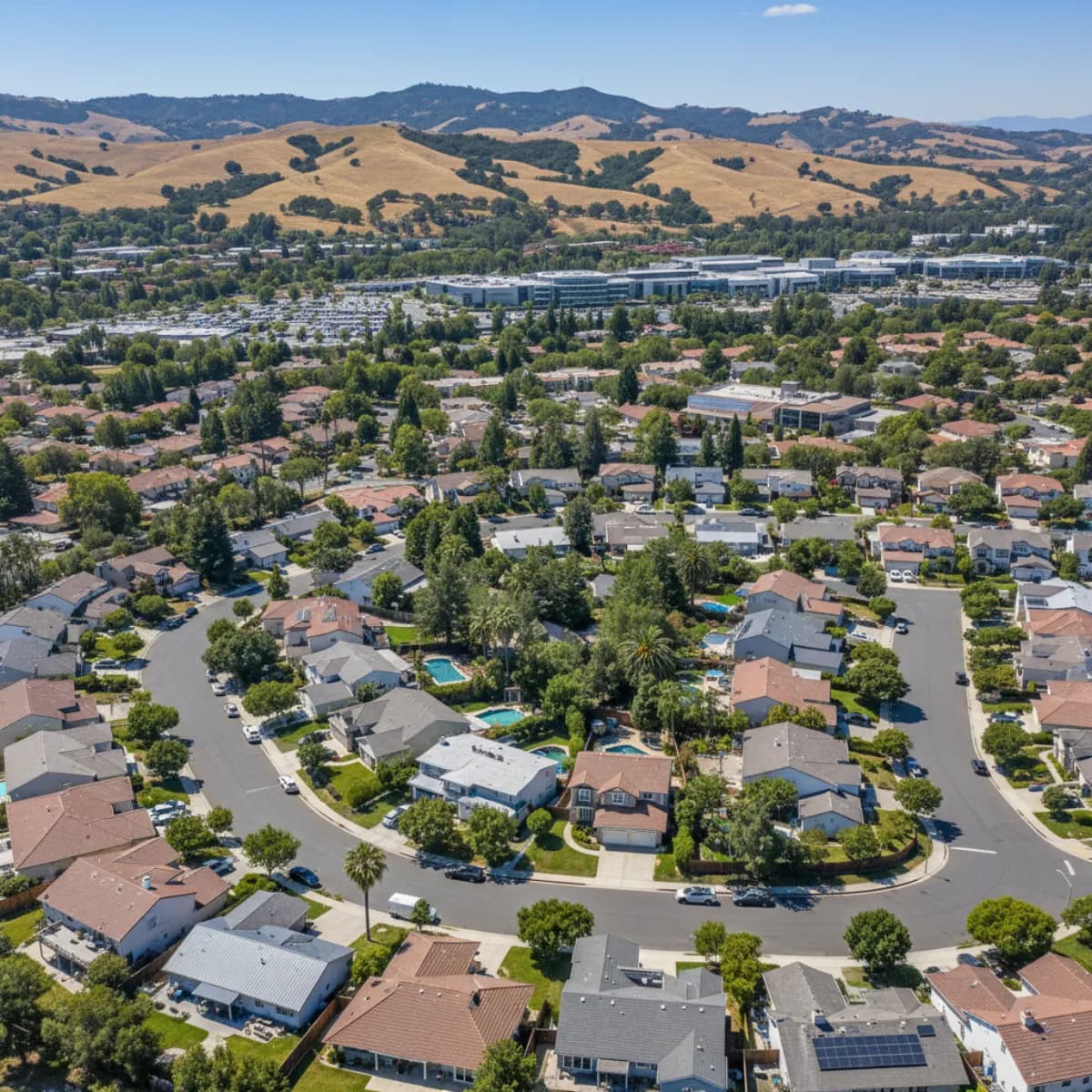
Silicon Valley's Capital City
Instant Roof Replacement Quotes in San Jose, CA
Over one million residents across San Jose need roofing that handles seismic activity, intense UV exposure, and wildfire smoke season. Get instant quotes from pre-vetted California contractors for Willow Glen bungalows, Almaden Valley estates, Rose Garden Victorians, and homes across every San Jose neighborhood.
Free Quotes
no obligations ever
Contractor Bids
standardized scope comparison
Until You Choose
no spam, no lead resale
CA Contractors
licensed, insured, reviewed
San Jose at a Glance
Population
Largest city in Northern CA
Sunny Days / Year
Ideal for solar integration
Median Home Price
Among highest in the U.S.
Permit Cost
Building Division re-roof permits
Seismic Design Category
Enhanced fastening required
Cool Roof Compliance
Climate zone 4
Roofing Challenges Unique to San Jose
As the largest city in Northern California and the self-proclaimed Capital of Silicon Valley, San Jose presents a distinctive combination of roofing challenges. The city's location between the San Andreas Fault to the west and the Calaveras Fault to the east places every home in a significant seismic zone. Combined with Mediterranean heat, wildfire smoke infiltration from nearby mountain ranges, and some of the highest home values in the country, San Jose homeowners need roofing systems that meet exceptionally rigorous standards.
! Seismic Zone Requirements
San Jose sits in Seismic Design Category D or E under the California Building Code, meaning every roofing installation must account for earthquake forces. The San Andreas Fault runs approximately 10 miles to the west, while the Calaveras Fault cuts directly through the eastern neighborhoods. The 1989 Loma Prieta earthquake demonstrated the devastating potential of seismic events in the region, and building codes have been strengthened significantly since.
- - Heavy materials (tile) require reinforced decking
- - Enhanced fastening systems for seismic loads
- - Structural evaluation may be needed for older homes
- - Lightweight alternatives reduce seismic risk
~ Wildfire Smoke & Ash Exposure
While San Jose is not in a direct wildfire zone, the city regularly experiences smoke and ash fallout from fires in the Santa Cruz Mountains, Diablo Range, and broader Northern California. During the 2020 fire season, San Jose experienced weeks of hazardous air quality with visible ash accumulation on roofs. This acidic ash accelerates material degradation, particularly on asphalt shingles and painted metal surfaces.
- - Acidic ash degrades asphalt shingles over time
- - Gutters and downspouts vulnerable to clogging
- - Post-smoke-event roof inspections recommended
- - Clay tile and metal resist ash damage best
= Mediterranean Heat & UV Exposure
San Jose's Mediterranean climate delivers over 300 sunny days per year with summer temperatures regularly reaching 90-100 degrees F. Roof surface temperatures can exceed 150 degrees F during peak summer months. This intense, sustained UV exposure degrades asphalt shingles faster than in cooler climates, reducing their effective lifespan by 15-20% compared to the manufacturer's rated life. The dry summer heat also causes thermal expansion and contraction cycles that stress roofing fasteners and flashing.
- - Title 24 cool roof requirements (climate zone 4)
- - High SRI materials reduce cooling costs 10-20%
- - Clay tile provides natural thermal mass
- - UV-resistant underlayment extends roof life
* Solar Mandate & Integration
San Jose is one of the strongest solar markets in the United States, with over 300 days of sunshine and aggressive municipal clean energy goals. While re-roofing an existing home does not trigger California's new-construction solar mandate, a roof replacement is the most cost-effective time to add solar panels. Installing solar during a roof replacement eliminates the need to remove and reinstall panels later, saving $3,000-$8,000 in future labor costs.
- - Standing seam metal allows clamp-on solar mounting
- - Reinforce decking for panel weight during replacement
- - Conduit pathways from roof to electrical panel
- - $150-$300/month average electricity savings
San Jose's Architectural Heritage and Roofing Styles
San Jose's architecture reflects its long history as one of California's original Spanish colonial settlements and its transformation into the heart of Silicon Valley. The city features a distinctive mix of architectural styles, each with specific roofing requirements that demand local expertise.
Spanish Colonial & Mission Revival
San Jose was founded in 1777 as California's first civilian settlement, and Spanish Colonial architecture remains deeply embedded in the city's identity. Neighborhoods like Willow Glen, Rose Garden, and Naglee Park feature homes with barrel-shaped clay tile roofs, stucco walls, and arched doorways. These roofs require specialized installation techniques including mortar-set or mechanically fastened clay tiles that must meet current seismic standards. Replacing a traditional clay tile roof on a Spanish Colonial home typically costs $35,000-$75,000 due to the weight and complexity of proper tile installation.
Mid-Century Modern & Ranch
The post-war tech boom brought thousands of mid-century modern and ranch-style homes to San Jose, particularly in Cambrian, Willow Glen, and the Berryessa district. These homes typically feature low-slope or flat rooflines that require different materials than steep-slope roofs. Original built-up roofing on these homes is often 40-60 years old and well past its useful life. Modern TPO membrane or modified bitumen replacements offer superior waterproofing and energy efficiency. Many mid-century homes in San Jose also have distinctive butterfly or shed roof designs that require experienced installation.
Silicon Valley Custom Builds
San Jose's tech wealth has produced a wave of custom-built and extensively renovated homes, particularly in Almaden Valley, Silver Creek, and the eastern foothills. These homes often feature complex roof geometries with multiple ridgelines, valleys, and dormers that increase installation difficulty and material waste. Custom builds frequently incorporate mixed materials, such as standing seam metal on the main roof with flat-roof sections on lower additions. These projects require detailed measurements and experienced crews, with costs often exceeding $50,000.
Victorian & Craftsman Historic Homes
Downtown San Jose and the Naglee Park neighborhood contain significant clusters of Victorian and Craftsman homes dating from the 1880s through the 1920s. These homes feature steep-pitched roofs with ornate trim, multiple gables, and sometimes turrets or widow's walks. Roofing these structures requires attention to historical accuracy while meeting modern building codes. Composite slate or architectural shingles that replicate period aesthetics are popular choices, providing historical appearance with modern performance and lighter weight for seismic safety.
San Jose Roof Replacement Cost by Material
San Jose roofing costs run 20-35% above the national average due to Bay Area labor rates ($80-$110/hour), Title 24 energy compliance requirements, seismic-rated installation standards, and high contractor overhead driven by Silicon Valley's cost of living. Material costs are comparable to other California cities, but labor is the primary cost driver.
Clay & Concrete Tile
#1: Clay & Concrete Tile
The traditional roofing material of San Jose, dating back to the city's Spanish colonial founding. Clay tiles are ubiquitous throughout Willow Glen, Rose Garden, Naglee Park, and Almaden Valley. They provide exceptional heat resistance through natural thermal mass, a Class A fire rating, and a 50-75 year lifespan. However, their weight (900-1,200 lbs per square) means seismic reinforcement is often required for older homes. Concrete tile offers similar aesthetics at 20-30% lower cost with reduced weight.
Best For:
Spanish Colonial, Mission, Mediterranean homes
Lifespan:
50-75 years
Cost Range:
$30,000 - $75,000
Seismic Note:
May require structural reinforcement
#2: Architectural Shingles
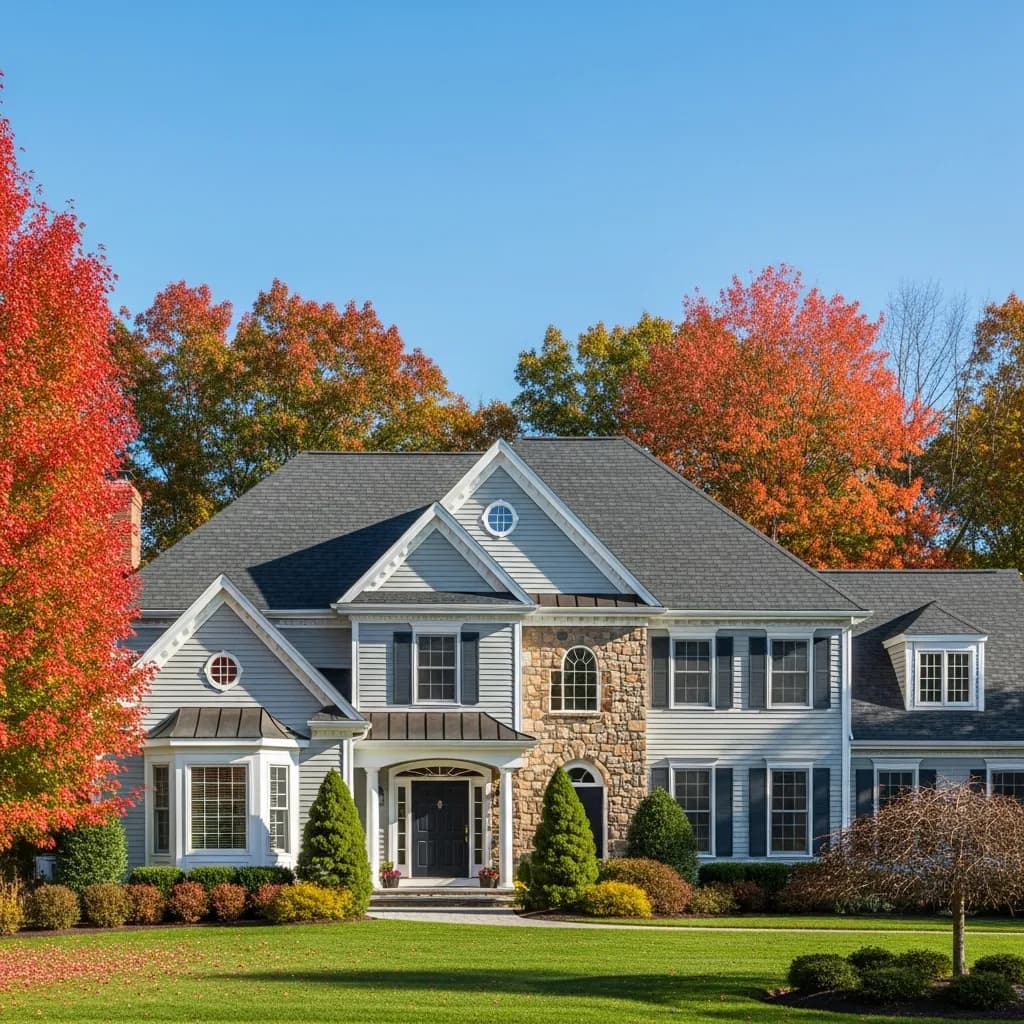
The most popular and cost-effective roofing option for San Jose homeowners. Architectural shingles provide a dimensional, textured appearance that complements a wide range of home styles from ranch to contemporary. In San Jose's climate zone 4, all shingles must be Title 24 cool-rated with reflective granules that meet minimum Solar Reflectance Index values. Lightweight at just 240-350 lbs per square, they place minimal seismic load on the structure, making them an ideal choice for older homes that cannot support heavy tile without reinforcement.
Best For:
Most home styles, budget-conscious owners
Lifespan:
25-35 years (San Jose climate)
Cost Range:
$15,000 - $35,000
Seismic Advantage:
Lightweight, no structural upgrades needed
#3: Standing Seam Metal
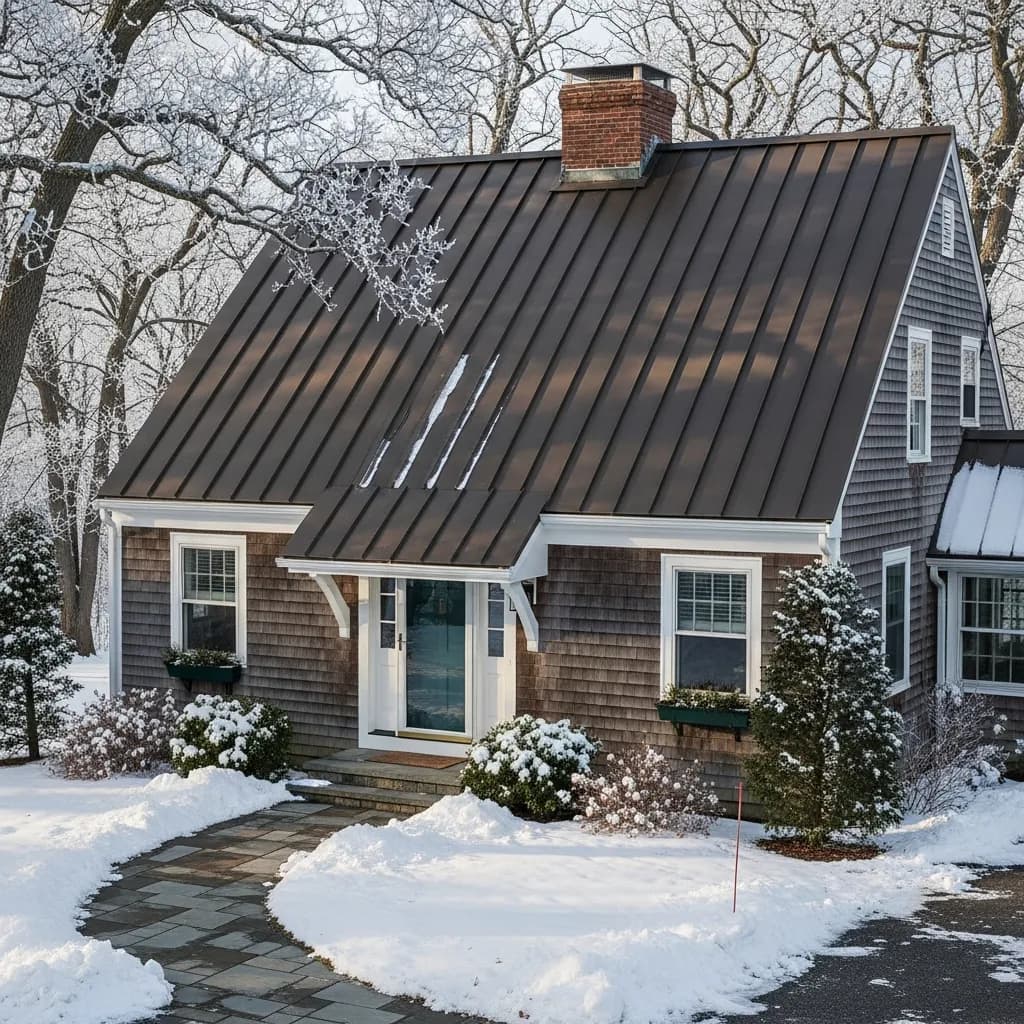
Rapidly growing in popularity across San Jose, particularly among tech-industry homeowners who prioritize solar integration and long-term value. Standing seam metal with cool-roof coatings reflects up to 70% of solar energy and is the most solar-panel-friendly material, allowing clamp-on mounting systems that avoid roof penetrations entirely. Metal roofing is lightweight (100-150 lbs per square), earthquake-safe, fire-resistant (Class A), and lasts 40-70 years. It complements the modern and mid-century architectural styles prevalent throughout Silicon Valley.
Best For:
Modern homes, solar integration
Lifespan:
40-70 years
Cost Range:
$22,000 - $50,000
Solar Benefit:
Clamp-on mounting, no penetrations
Composite Roofing
#4: Composite (Synthetic) Roofing
An increasingly popular choice for San Jose homeowners who want the look of clay tile or slate without the seismic weight concerns. Composite materials weigh 60-75% less than traditional tile while replicating the aesthetics of Spanish Colonial clay, European slate, or cedar shake. This weight reduction eliminates the need for structural reinforcement on older homes while maintaining the neighborhood aesthetic consistency that many San Jose communities expect. Composite products also resist the UV degradation and thermal cycling that affects natural materials in San Jose's climate.
Best For:
Tile look without seismic weight
Lifespan:
30-50 years
Cost Range:
$20,000 - $45,000
Weight Advantage:
60-75% lighter than clay tile
San Jose Average Roof Cost: Architectural shingles $15,000-$35,000. Clay tile $30,000-$75,000. Metal $22,000-$50,000. Composite $20,000-$45,000. San Jose costs run 20-35% above the national average due to Bay Area labor rates and high contractor overhead. Get your exact price with a free instant estimate.
San Jose Building Requirements
Important Local Regulations
San Jose Building Division Permits
All roof replacements within the City of San Jose require permits from the Building Division within the Department of Planning, Building, and Code Enforcement. Permit fees range from $300-$700 depending on project scope. Applications can be submitted online through the city's eBuild portal. Standard re-roofing permits are typically processed within 1-3 weeks. Inspections are mandatory at the stripping stage, underlayment stage, and final completion. Properties with structural modifications or in historic areas may require additional plan review.
Title 24 Energy Standards
California's Title 24 Building Energy Efficiency Standards require cool roofing materials in San Jose's climate zone 4. Steep-slope roofing must meet minimum Solar Reflectance Index (SRI) values, and low-slope (flat) roofs have even stricter requirements. Non-compliant materials will fail inspection. Title 24 also governs insulation requirements beneath the roof deck, which may trigger additional upgrades during a full tear-off replacement.
Seismic Building Code Requirements
San Jose falls under Seismic Design Category D or E per the California Building Code. Heavy roofing materials exceeding 6 lbs per square foot (clay tile, concrete tile) require engineering analysis to confirm the structure can support the weight under seismic loading. Older homes built before 1980 may require cripple wall bracing, foundation bolting, or roof-to-wall connection upgrades. The city's Earthquake Preparedness programs offer resources for homeowners planning structural improvements.
California C-39 Roofing License
California requires all roofing contractors to hold a valid C-39 Roofing Contractor License from the Contractors State License Board (CSLB). Verify any contractor at cslb.ca.gov. Licensed contractors must carry workers' compensation insurance and a minimum $25,000 contractor bond. San Jose also requires a city business license for contractors operating within city limits.
Bay Area Air Quality Management District (BAAQMD)
Roofing projects involving the removal of materials that may contain asbestos (common in homes built before 1980) must comply with BAAQMD Regulation 11, Rule 2. An asbestos survey by a certified inspector is required before demolition or renovation of roofing materials on older structures. Improper removal can result in significant fines and health hazards.
San Jose Neighborhoods We Serve
From the tree-lined streets of Willow Glen to the hillside estates of Almaden Valley and the growing communities of North San Jose, our pre-vetted contractors serve every corner of the San Jose metro. Each neighborhood has unique roofing requirements based on its architecture, terrain, and microclimate.
Willow Glen
- - Spanish Colonial and Craftsman bungalows
- - Clay tile and composite roofing prevalent
- - Tree-lined streets with shade considerations
- - Neighborhood character restrictions
- - Homes from 1920s-1960s era
Almaden Valley
- - Larger custom homes and estates
- - Complex roof geometries common
- - Near wildland interface (Almaden Quicksilver)
- - Higher insurance requirements
- - Premium materials market
Rose Garden
- - Historic Victorian and Colonial homes
- - Period-appropriate materials preferred
- - Steep-pitched roofs with multiple gables
- - Composite slate popular for aesthetics
- - Established HOA guidelines
Cambrian & Campbell
- - Mid-century ranch homes predominant
- - Low-slope and flat roof sections
- - Architectural shingles most common
- - Solar integration popular
- - Growing renovation market
Evergreen & East Foothills
- - Hillside properties with access challenges
- - Near Calaveras Fault seismic zone
- - Newer construction (1980s-2000s)
- - Tile roofs aging and needing replacement
- - Wildland-urban interface concerns
Berryessa & North San Jose
- - Mix of older ranch and new construction
- - BART extension increasing property values
- - Tech campus proximity (Milpitas border)
- - Growing condo and townhome market
- - Cost-effective material choices popular
Why San Jose Roofing Costs More: The Bay Area Premium
San Jose homeowners consistently pay more for roof replacement than homeowners in most other U.S. cities. Understanding the factors behind the Bay Area premium helps you evaluate quotes fairly and identify genuine value.
Labor Costs
Bay Area roofing crews earn $80-$110 per hour, compared to a national average of $45-$65. This premium is driven by Silicon Valley's extreme cost of living. Housing, transportation, and daily expenses for roofing crews are among the highest in the nation. Skilled labor is also in shorter supply relative to demand, as many workers have been priced out of the Bay Area entirely. Labor typically accounts for 55-65% of a San Jose roofing project, compared to 40-50% nationally.
Regulatory Compliance
California imposes more regulatory requirements on roofing than any other state. Title 24 energy compliance, seismic building codes, BAAQMD asbestos regulations, CSLB licensing, and local permitting all add cost. A San Jose roofing project typically involves $2,000-$5,000 in compliance-related expenses that simply do not exist in less regulated markets. This includes permit fees, energy calculations, asbestos testing on pre-1980 homes, and documentation for inspections.
Contractor Overhead
Running a roofing business in San Jose requires carrying significantly higher overhead than most U.S. markets. Commercial rents, vehicle costs, insurance premiums, workers' compensation, bonding requirements, and employee benefits all reflect Bay Area pricing. A legitimate roofing contractor in San Jose may have $500,000-$1M in annual overhead before completing a single project. This overhead is distributed across projects, adding $2,000-$4,000 per average residential job.
Property Values & Expectations
With a median home price of approximately $1.4 million, San Jose homeowners rightfully expect premium workmanship and materials. A roof protects one of the most valuable assets in the country, and cutting corners to save a few thousand dollars makes little sense when the property is worth over a million. Higher-end materials, more detailed installation techniques, and thorough cleanup and inspection processes are standard expectations in the San Jose market.
Insurance Considerations for San Jose Homeowners
Earthquake & Wildfire Insurance in Silicon Valley
San Jose homeowners face a dual insurance challenge: earthquake risk from the San Andreas and Calaveras faults, and proximity to wildfire-prone areas in the surrounding mountains. Standard homeowner's insurance policies in California do not cover earthquake damage, making separate earthquake insurance through the California Earthquake Authority (CEA) an essential consideration for protecting Silicon Valley's high home values.
Earthquake Coverage
- - CEA policies available through participating insurers
- - Deductibles typically 5-25% of home value
- - Lightweight roofing materials may qualify for discounts
- - Seismic retrofitting can reduce premiums
- - Roof-to-wall connections improve earthquake performance
Wildfire Proximity Impacts
- - Homes near eastern foothills face higher premiums
- - Almaden Valley properties near Quicksilver Park affected
- - Class A fire-rated roofing improves insurability
- - Some insurers reducing coverage in WUI zones
- - Impact-resistant materials may earn 5-15% premium discounts
Our pre-vetted contractors understand San Jose's insurance landscape and can recommend materials and installations that maximize your insurability and may reduce premiums for both earthquake and fire coverage.
Frequently Asked Questions About San Jose Roofing
How much does a roof replacement cost in San Jose, CA?
Roof replacement in San Jose typically costs between $15,000 and $35,000 for architectural shingles on a standard home. Clay tile roofs, the traditional choice for San Jose's many Spanish Colonial and Mission Revival homes, range from $30,000 to $75,000 depending on tile type, home size, and whether structural reinforcement is needed for seismic compliance. Standing seam metal runs $22,000-$50,000 and is increasingly popular for its solar integration capabilities. Composite roofing that replicates the look of tile without the seismic weight costs $20,000-$45,000. San Jose's costs are driven by Bay Area labor rates ($80-$110/hour, among the highest in the nation), Building Division permitting ($300-$700), Title 24 energy compliance, and seismic-rated installation requirements. The city's high cost of living directly impacts contractor overhead, which is passed through to project pricing.
What are the seismic roofing requirements in San Jose?
San Jose sits between the San Andreas Fault (approximately 10 miles west) and the Calaveras Fault (running through the eastern neighborhoods), placing it in Seismic Design Category D or E under the California Building Code. This classification has significant implications for roofing material selection and installation. Heavy materials like clay tile (900-1,200 lbs per square) and concrete tile (800-1,100 lbs per square) require engineering analysis to confirm the structure can support the weight under seismic loading. Older homes built before 1980 may need cripple wall bracing, foundation bolting, or enhanced roof-to-wall connections. The California Residential Code Section R301.2.2 mandates that roofing systems withstand seismic forces without dislodging. Lightweight alternatives like architectural shingles (240-350 lbs per square) or standing seam metal (100-150 lbs per square) eliminate the need for structural reinforcement while providing excellent performance.
Do I need a permit for roof replacement in San Jose?
Yes, all roof replacements in San Jose require permits from the Building Division within the Department of Planning, Building, and Code Enforcement. Permit fees range from $300 to $700 depending on project scope and complexity. Applications can be submitted online through the city's eBuild portal, which streamlines the process significantly. Standard re-roofing permits (same material, no structural changes) are typically processed within 1-3 weeks. More complex projects involving material changes that affect structural loading, historical properties, or concurrent solar installation may require additional plan review. Inspections are mandatory at the stripping stage (to verify deck condition), underlayment stage (to confirm proper moisture barrier installation), and final completion. Failing to obtain permits can result in fines, stop-work orders, and complications when selling the property, as unpermitted work must be disclosed in California real estate transactions.
What are the best roofing materials for San Jose's climate?
San Jose's Mediterranean climate with over 300 sunny days per year, warm dry summers reaching 90-100 degrees F, and mild wet winters makes it suitable for most roofing materials. Clay and concrete tile (50-75 year lifespan) are the traditional favorites, particularly for Spanish Colonial and Mission-style homes throughout Willow Glen, Rose Garden, and Almaden Valley. Their natural thermal mass keeps homes cooler by absorbing and slowly releasing heat. Architectural shingles are the best value option at $15,000-$35,000, lasting 25-35 years in San Jose's mild conditions, though intense UV shortens their life compared to cooler climates. Standing seam metal is rapidly gaining popularity for its solar panel compatibility, 40-70 year lifespan, and Class A fire rating. Composite materials offer the tile aesthetic at 60-75% less weight, solving seismic concerns for older homes. All materials must meet Title 24 cool roof requirements for San Jose's climate zone 4.
Is solar integration required when replacing a roof in San Jose?
California's 2022 Building Energy Efficiency Standards (Title 24) require solar photovoltaic systems on new residential construction, but re-roofing an existing home does not trigger the solar mandate. That said, a roof replacement is the most cost-effective time to install solar panels in San Jose. Installing solar during a roof replacement eliminates the need to remove and reinstall panels later (a $3,000-$8,000 future expense) and allows proper conduit routing and deck reinforcement. San Jose receives over 300 days of sunshine annually, making it one of the best solar markets in the U.S. Many homeowners save $150-$300 per month on electricity costs. Standing seam metal roofing is the most solar-friendly option, allowing clamp-on mounting systems that avoid roof penetrations entirely. The city's Silicon Valley Clean Energy program and federal solar tax credits further improve the return on investment.
How does wildfire smoke affect roofs in San Jose?
While San Jose itself is not in a direct wildfire zone, the city regularly experiences significant smoke and ash fallout from fires in the Santa Cruz Mountains to the south, the Diablo Range to the east, and broader Northern California fires that send smoke plumes across the Bay Area. During the 2020 fire season, San Jose experienced weeks of hazardous air quality with visible ash accumulation on roofs throughout the city. Wildfire ash is acidic (pH 9-12) and can chemically degrade asphalt shingles, dissolve protective granules, and corrode metal surfaces over time. Gutters and downspouts are especially vulnerable to clogging from ash accumulation, leading to water backup and potential leaks. After significant smoke events, homeowners should have their roofs inspected and gently cleaned to remove ash deposits. Clay tile and unpainted standing seam metal are the most resistant to smoke and ash damage due to their inert surface chemistry.
How long does a roof replacement take in San Jose?
Most San Jose roof replacements take 2-4 days for architectural shingles, 4-8 days for clay or concrete tile installations, and 3-6 days for standing seam metal. San Jose's predominantly dry climate allows roofing work during most of the year, though brief rain delays are possible from December through March. Several factors can extend timelines: complex roof geometries common on Silicon Valley custom builds add 1-3 days; homes with multiple layers requiring full tear-off add 1-2 days; projects requiring structural reinforcement for seismic compliance may add 2-5 days before roofing can begin; and concurrent solar installation adds 1-2 days. Factor in 1-3 weeks for Building Division permit processing before work can begin. Spring (April-May) and fall (September-October) typically offer the shortest scheduling wait times, as summer is peak demand season throughout the Bay Area.
What insurance considerations affect San Jose roofing?
San Jose homeowners face unique insurance challenges due to the city's dual exposure to earthquake and wildfire risks. Standard homeowner's insurance policies in California specifically exclude earthquake damage, making separate earthquake insurance through the California Earthquake Authority (CEA) essential for protecting Silicon Valley's high-value homes. CEA policies carry deductibles of 5-25% of the dwelling coverage amount. Upgrading to lightweight roofing materials (metal, architectural shingles) can improve earthquake performance and may qualify for seismic retrofit discounts. Homes near the urban-wildland interface in the eastern foothills and near Almaden Quicksilver Park may face higher premiums or coverage limitations from standard insurers. Installing Class A fire-rated roofing and impact-resistant materials can earn premium discounts of 5-15% from participating insurers. Always document roof age, material type, and any fire-resistant or seismic upgrades when applying for or renewing insurance policies.
California Roofing Resources
California State Overview
All California roofing resources and city pages
California Roof Replacement Cost Guide
Detailed pricing for all CA regions and materials
Best Roofing Materials for California
Climate-specific material recommendations
Instant Roof Cost Calculator
Get your personalized San Jose roofing estimate
California Roofing Building Codes
Title 24, seismic codes, and local requirements
California Contractor Licensing
C-39 license requirements and CSLB verification
Get Your San Jose Roof Quote in Minutes
Enter your address to compare instant quotes from pre-vetted California contractors who specialize in seismic-rated installations, Title 24 compliance, and Silicon Valley's unique roofing requirements