Instant Roof Replacement Quotes in San Diego, CA
America's Finest City needs roofing built for wildfire zones, coastal salt air, and iconic Spanish tile architecture. Get instant quotes from pre-vetted California contractors for La Jolla estates, Pacific Beach bungalows, Rancho Bernardo tile homes, and properties across all 1.38 million residents' neighborhoods in San Diego County.
Free Quotes
no obligations ever
Contractor Bids
standardized scope comparison
Until You Choose
no spam, no lead resale
CA Contractors
licensed, insured, reviewed
Roofing in San Diego: What Homeowners Need to Know
San Diego's 1.38 million residents enjoy one of the most desirable climates in the United States, but that Mediterranean weather comes with unique roofing challenges that set the city apart from the rest of the country. With 266 sunny days per year, minimal rainfall, and a heavy Spanish and Mediterranean architectural influence, San Diego's roofing market is dominated by clay and concrete tile -- materials that complement the region's iconic aesthetic while providing critical fire resistance in an area increasingly affected by wildfire risk.
Unlike cities in the Northeast or Midwest where asphalt shingles reign supreme, San Diego homeowners face a fundamentally different cost equation. Over 40% of San Diego homes feature tile roofs, and replacing them is substantially more expensive than shingle work. A typical asphalt shingle roof replacement runs $11,000 to $22,000, while tile roof replacement ranges from $30,000 to $75,000 depending on whether you choose concrete or clay tile. For luxury homes in La Jolla, Coronado, and Del Mar, premium installations can exceed $100,000.
California's strict building codes, updated wildfire regulations effective January 1, 2026, coastal salt air corrosion concerns, and the requirement for C-39 licensed roofing contractors all contribute to San Diego's above-average roofing costs. Understanding these local factors is essential before starting any roofing project in San Diego County.
Roofing Challenges Unique to San Diego
! Wildfire & WUI Zone Requirements
San Diego has been devastated by major wildfires including the 2003 Cedar Fire (273,246 acres, 2,820 structures destroyed) and the 2007 Witch Creek Fire (197,990 acres). Much of urban San Diego falls within CAL FIRE-designated Fire Hazard Severity Zones (FHSZ). Updated California Building Code Chapter 7A requirements, mandatory across all mapped FHSZ areas as of January 1, 2026, impose strict fire-resistance standards on roofing assemblies.
- - Class A fire-rated roofing assemblies required
- - Ember-resistant vents and non-combustible eaves
- - Ignition-resistant materials throughout FHSZ areas
- - Scripps Ranch, 4S Ranch, Tierrasanta all affected
~ Coastal Salt Air Corrosion
Salt-laden marine air from the Pacific Ocean affects roofing materials within 5-10 miles of San Diego's coastline, covering neighborhoods from Imperial Beach and Coronado through Pacific Beach, La Jolla, and up to Oceanside. Standard galvanized steel fasteners, flashing, and vents corrode within 5-8 years in this environment, leading to premature failure and potential leaks.
- - Galvalume or aluminum required for metal roofing
- - Stainless steel fasteners for coastal installations
- - Clay and concrete tile naturally salt-resistant
- - Standard galvanized steel corrodes in 5-8 years
= Spanish Tile Dominance
Over 40% of San Diego homes feature clay or concrete tile roofs, a direct legacy of the city's Spanish Colonial and Mission Revival architectural heritage. While tile roofing provides exceptional longevity (50-100 years for clay) and inherent fire resistance, replacement is significantly more expensive than asphalt shingles. Many HOAs and planned communities mandate tile roofing, limiting homeowner material choices.
- - Clay tile replacement: $35,000-$75,000
- - Concrete tile: 30-40% cheaper than clay
- - HOA tile mandates in many SD communities
- - Structural weight considerations for older homes
* Santa Ana Winds
San Diego experiences Santa Ana wind events primarily from October through January, bringing hot, dry, offshore winds that can exceed 60-80 mph in exposed areas. Combined with drought conditions, these winds create extreme fire risk and can physically damage improperly installed roofing. Santa Ana events are the primary driver of San Diego's catastrophic wildfire events.
- - Wind-rated installation methods essential
- - Enhanced fastening for tile roofs
- - Extreme fire risk during wind events
- - Tile mortar and adhesive must withstand uplift
San Diego Roof Replacement Cost Breakdown
San Diego roofing costs are higher than the national average due to California's strict building codes, high labor costs, wildfire compliance requirements, and the prevalence of tile roofing. Below is a breakdown of typical costs for San Diego County homes.
Clay & Concrete Tile
#1: Clay & Concrete Tile
The quintessential San Diego roofing material. Clay tile provides the authentic Spanish Colonial aesthetic that defines San Diego's architectural character, with exceptional durability (50-100 years) and inherent Class A fire resistance. Concrete tile offers a lighter, more affordable alternative with similar aesthetics and a 40-60 year lifespan. Both options dominate San Diego's roofing market and are often mandated by HOAs.
Best For:
Spanish/Mediterranean homes
Lifespan:
50-100 years (clay), 40-60 (concrete)
Cost Range:
$30,000 - $75,000
Fire Rating:
Class A (inherent)
#2: Architectural Shingles
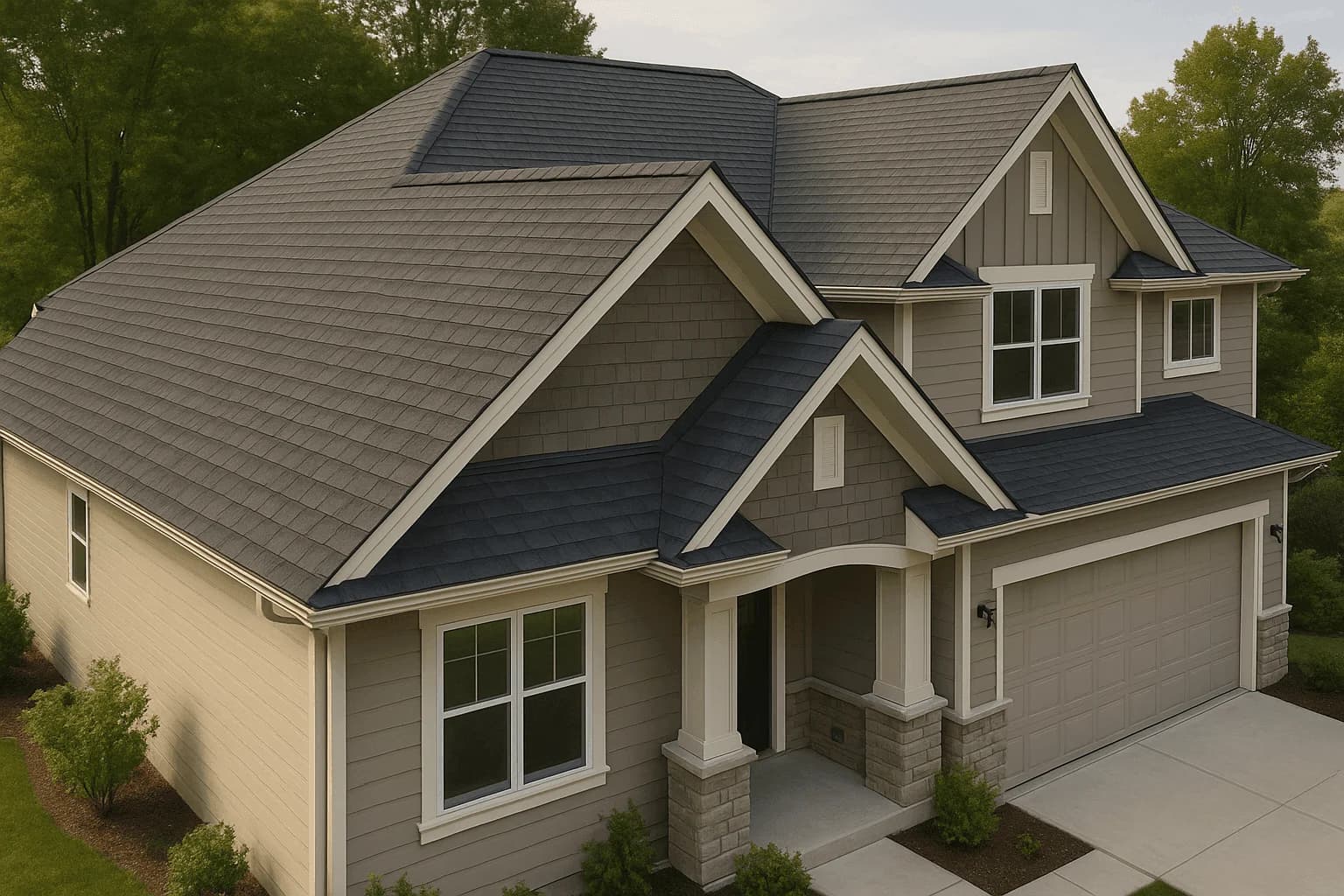
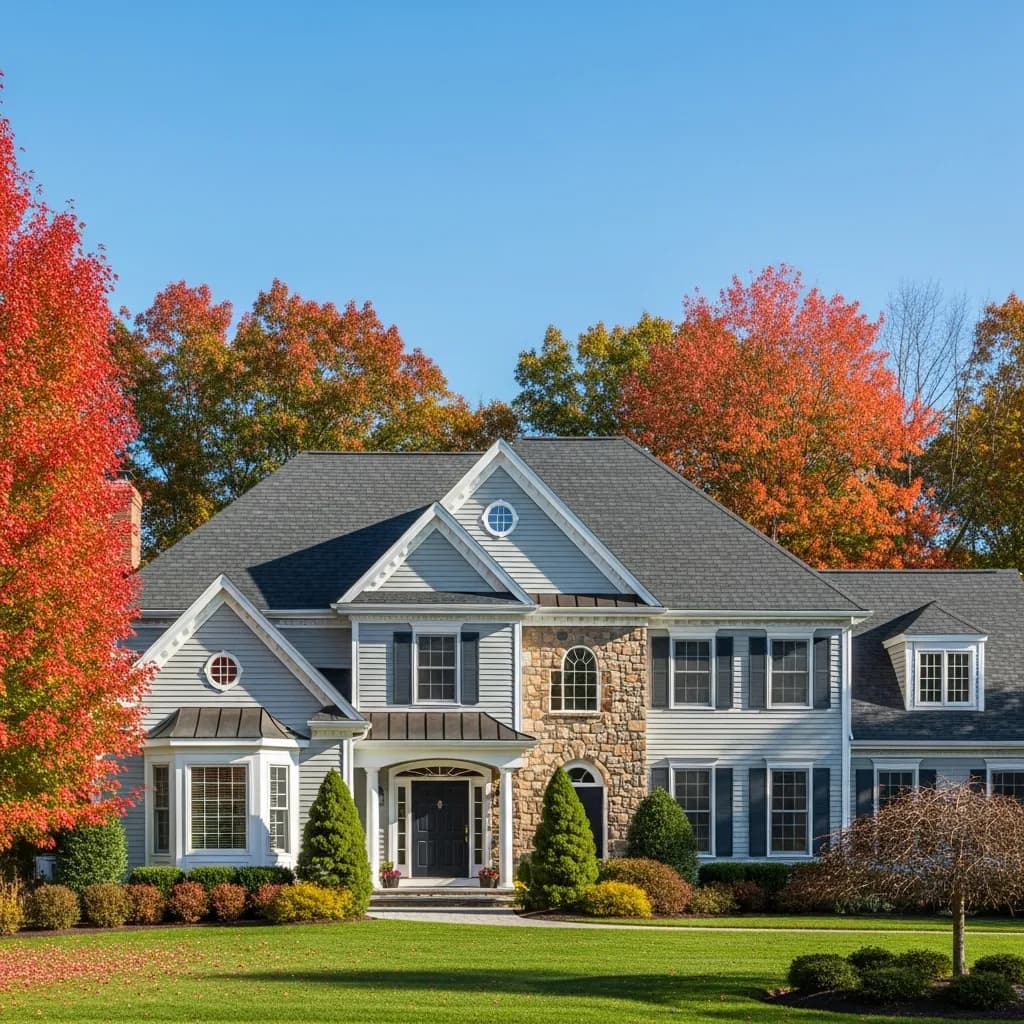
The most affordable option for San Diego homes where HOA restrictions allow. Modern architectural shingles provide a dimensional look with 25-30 year warranties. Class A fire-rated options are available and required in FHSZ zones. San Diego's minimal rainfall and freeze-thaw-free climate extends shingle lifespan compared to eastern states, though intense UV exposure is the primary degradation factor.
Best For:
Budget-conscious, non-HOA homes
Lifespan:
25-30 years
Cost Range:
$11,000 - $22,000
Fire Rating:
Class A options available
#3: Standing Seam Metal
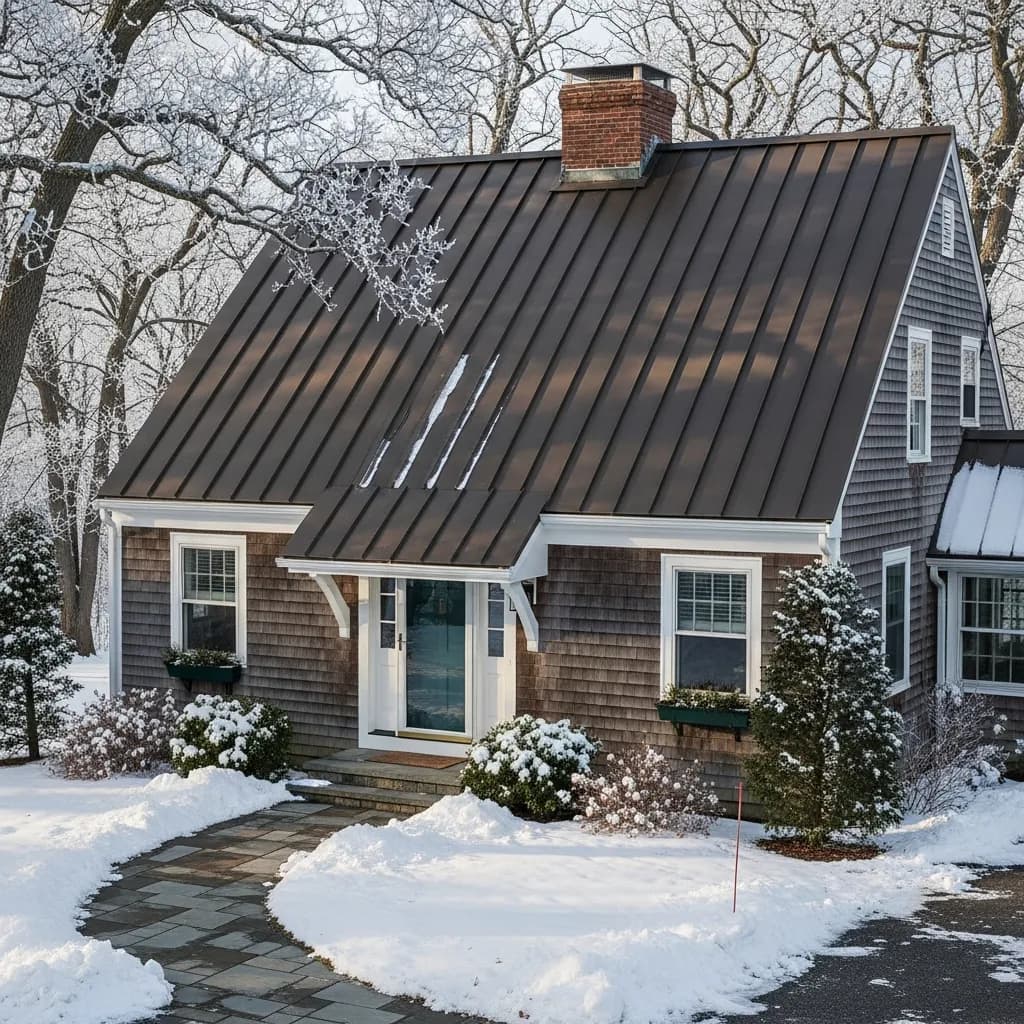
Growing in popularity for San Diego's modern and contemporary homes. Standing seam metal provides Class A fire protection, excellent wind resistance, and a 40-70 year lifespan. Coastal installations within 5-10 miles of the ocean must use Galvalume or aluminum panels rather than galvanized steel to prevent salt air corrosion. Energy-efficient reflective coatings reduce cooling costs in San Diego's sunny climate.
Best For:
Modern homes, fire protection
Lifespan:
40-70 years
Cost Range:
$18,000 - $38,000
Fire Rating:
Class A
Flat Roof / Cool Roof
#4: TPO & Cool Roof Systems
Popular for San Diego's mid-century modern homes and commercial buildings with flat or low-slope roofs. White TPO membrane reflects solar radiation, reducing cooling costs by 15-25% in San Diego's sunny climate. California's Title 24 energy code encourages cool roof installations through mandatory solar reflectance requirements for certain building types.
Best For:
Flat roofs, mid-century modern
Lifespan:
20-30 years
Cost Range:
$8,000 - $18,000
Energy Savings:
15-25% cooling reduction
San Diego Average Roof Cost: $11,000 - $22,000 for asphalt shingles, $30,000 - $75,000 for tile roofs. Actual costs depend on roof size, material, slope complexity, and whether your property is in a FHSZ zone. Get your exact price with a free instant estimate.
San Diego Building Requirements & Regulations
Important Local Regulations
Building Permits
Required for all roof replacements through the City of San Diego Development Services Department. Permit fees typically range from $200-600. Online permit applications available through the city's OpenDSD system. Final inspection required upon completion.
California C-39 Roofing License
California law requires a C-39 Roofing Contractor license issued by the Contractors State License Board (CSLB) for all roofing work exceeding $500. Verify any contractor's license status at cslb.ca.gov. Unlicensed contracting is a criminal offense in California.
Chapter 7A Fire Compliance (FHSZ)
Properties within CAL FIRE-designated Fire Hazard Severity Zones must comply with California Building Code Chapter 7A. As of January 1, 2026, this includes Class A fire-rated roofing assemblies, ember-resistant ventilation, and ignition-resistant construction materials. Compliance is verified during final inspection.
Title 24 Energy Standards
California's Title 24 energy efficiency standards apply to roof replacements affecting more than 50% of the roof area. Requirements may include cool roof materials meeting minimum solar reflectance values, particularly for low-slope roofs.
Historic District Requirements
Properties in the Gaslamp Quarter Historic District, Mission Hills, and other designated historic areas require review by the San Diego Historical Resources Board. Material and design changes must be consistent with the property's designated historic character.
San Diego Neighborhoods We Serve
RoofVista connects homeowners across San Diego County with pre-vetted, C-39 licensed roofing contractors. Whether you have a beachfront bungalow in Pacific Beach or a tile-roofed estate in Rancho Bernardo, get instant quotes tailored to your neighborhood's specific requirements.
La Jolla
- - La Jolla Shores
- - Bird Rock
- - Windansea
- - Luxury oceanfront estates
- - Salt air corrosion protection critical
North Park
- - Craftsman bungalows
- - Spanish Revival homes
- - University Heights border
- - Mix of tile and shingle roofs
- - Historic character preservation
Pacific Beach
- - Beachfront properties
- - Crown Point area
- - Mission Bay adjacent
- - Heavy coastal salt exposure
- - Marine-grade materials required
Rancho Bernardo
- - Master-planned community
- - Tile roof mandates (HOA)
- - WUI / FHSZ zone area
- - 2003 & 2007 fire impact zone
- - Class A fire rating required
Chula Vista
- - Eastlake community
- - Otay Ranch
- - Rolling Hills Ranch
- - Growing suburban development
- - Tile and shingle mix
Coronado
- - Historic island community
- - Severe salt air exposure
- - Luxury waterfront homes
- - Military housing (NAB)
- - Premium coastal roofing
Scripps Ranch
- - 2003 Cedar Fire impact zone
- - FHSZ / WUI zone
- - Family-oriented community
- - Strict fire compliance required
- - Tile roofs predominant
Del Mar / Carmel Valley
- - Coastal luxury homes
- - Torrey Pines area
- - HOA tile mandates
- - Salt air + fire zone overlap
- - Premium material requirements
Point Loma / Ocean Beach
- - Sunset Cliffs area
- - Liberty Station
- - Direct oceanfront exposure
- - Mix of historic and modern
- - Marine-grade materials essential
San Diego Roofing Insurance Considerations
Wildfire Insurance Crisis in San Diego
San Diego homeowners in Fire Hazard Severity Zones face significant insurance challenges. Several major carriers including State Farm and Allstate have limited new policies or withdrawn from high-risk areas across California. The California FAIR Plan, the state's insurer of last resort, provides basic fire coverage but at higher premiums and with limited coverage compared to standard policies.
Upgrading to a Class A fire-rated roofing assembly can help homeowners secure or retain insurance coverage. Some carriers offer 5-15% premium discounts for fire-resistant roofing. Ember-resistant vent installations and non-combustible eave construction further reduce risk profiles.
For homeowners considering roof replacement, documenting your new roof's fire-resistance specifications provides valuable ammunition when shopping for or negotiating insurance coverage. Our pre-vetted contractors provide detailed fire compliance documentation with every FHSZ installation.
Insurance Tips for San Diego Homeowners
Document everything: Photograph your current roof condition and keep all installation records, material specifications, and fire-resistance certifications.
Upgrade fire resistance: Class A fire-rated roofing assemblies can improve insurability and reduce premiums by 5-15% with participating carriers.
Consider full hardening: Combining fire-rated roofing with ember-resistant vents, enclosed eaves, and fire-resistant landscaping (defensible space) maximizes insurance benefits.
Shop annually: California's insurance market is evolving rapidly. Compare quotes from multiple carriers annually, and ask about Wildfire Prepared Home discount programs.
Frequently Asked Questions About San Diego Roofing
How much does a roof replacement cost in San Diego, CA?
Roof replacement in San Diego typically costs between $11,000 and $22,000 for asphalt shingles and $30,000 to $75,000 for tile roofs. San Diego's roofing market is unique because over 40% of homes have clay or concrete tile roofs, driven by the city's Spanish Colonial and Mediterranean architectural heritage. California's high labor costs, strict C-39 licensing requirements, and mandatory building code compliance contribute to above-average pricing. Premium installations for La Jolla oceanfront estates, Coronado waterfront homes, or Del Mar luxury properties can exceed $100,000 for clay tile or slate. Concrete tile offers a 30-40% cost savings over clay while maintaining similar aesthetics, running $25,000-$50,000 for a typical home.
Should I choose tile or shingles for my San Diego home?
The tile vs. shingles decision in San Diego depends on your neighborhood, HOA rules, budget, and home architecture. Clay tile (50-100 year lifespan, $35,000-$75,000) is the traditional choice that complements San Diego's Spanish Colonial architecture and provides inherent Class A fire resistance -- critical in FHSZ zones. Concrete tile (40-60 years, $25,000-$50,000) offers similar aesthetics at lower cost with lighter weight. Architectural shingles (25-30 years, $11,000-$22,000) are the most affordable but may not be permitted by HOAs in communities like Rancho Bernardo, Scripps Ranch, and Carmel Valley that mandate tile. If your home has an existing tile roof, switching to shingles may also require structural modifications since tile is heavier and the roof deck may not support shingle installation methods properly.
What are WUI zone roofing requirements in San Diego?
San Diego has extensive Wildland-Urban Interface (WUI) zones mapped by CAL FIRE as Fire Hazard Severity Zones (FHSZ). As of January 1, 2026, California Building Code Chapter 7A mandates Class A fire-rated roofing assemblies, ember-resistant ventilation, non-combustible eave construction, and ignition-resistant materials for all new construction and re-roofing in mapped FHSZ areas. Affected San Diego neighborhoods include Scripps Ranch, Rancho Bernardo, 4S Ranch, Tierrasanta, Poway, and areas bordering Mission Trails Regional Park. Compliant materials include clay and concrete tile (inherently Class A), standing seam metal, and specially rated Class A asphalt shingles. Non-compliance can result in permit denial, failed inspections, and potential insurance complications.
How does coastal salt air affect roofing in San Diego?
Salt-laden marine air from the Pacific Ocean creates accelerated corrosion conditions for roofing components within 5-10 miles of San Diego's coastline. This affects neighborhoods from Imperial Beach and Coronado through Pacific Beach, La Jolla, Del Mar, and up the coast to Encinitas and Oceanside. Standard galvanized steel fasteners, flashing, pipe boots, and vents can corrode within 5-8 years, leading to leaks and structural compromise. Coastal installations require Galvalume or aluminum for any metal roofing panels, stainless steel fasteners throughout, and corrosion-resistant flashing materials. Clay and concrete tile are naturally resistant to salt corrosion, which is one reason tile dominates coastal San Diego roofing. All coastal installations should include marine-grade hardware and corrosion-resistant accessories.
What permits are required for San Diego roof replacement?
All roof replacements in the City of San Diego require a building permit from the Development Services Department, with fees typically ranging $200-600. Permits can be applied for online through the OpenDSD system. California law requires all roofing work exceeding $500 to be performed by a contractor holding a valid C-39 Roofing Contractor license from the CSLB. Properties in FHSZ zones require additional fire compliance documentation showing Chapter 7A adherence. Historic districts including the Gaslamp Quarter, Mission Hills, and others require supplemental review by the Historical Resources Board. A final inspection is mandatory upon project completion. Unincorporated San Diego County areas follow county permitting through the Department of Public Works.
What are the best roofing materials for San Diego's climate?
San Diego's Mediterranean climate -- 266 sunny days, 10-12 inches of annual rainfall, and wildfire risk -- favors materials with excellent UV resistance, fire protection, and longevity. Clay and concrete tile top the list: they're naturally Class A fire-rated, handle intense UV exposure without degradation, complement the regional architecture, and last 50-100 years. Standing seam metal (Galvalume or aluminum for coastal areas) provides Class A fire rating with 40-70 year durability and excellent reflectivity. For flat roofs, white TPO membrane meets Title 24 cool roof requirements while reducing cooling costs 15-25%. Architectural shingles work well in non-FHSZ areas but have shorter lifespans (25-30 years) due to UV exposure. In all FHSZ zones, materials must meet California Chapter 7A fire-resistance standards.
Does homeowner insurance cover roof replacement in San Diego?
Homeowner insurance coverage for San Diego roofs has become increasingly complicated due to the wildfire insurance crisis across California. Several major insurers have reduced coverage or stopped writing new policies in high-risk FHSZ areas. Standard policies typically cover storm, fire, and wind damage but exclude age-related wear. The California FAIR Plan provides basic fire coverage as a last resort for homeowners unable to secure traditional policies, though coverage limits and premiums differ significantly from standard policies. Upgrading to Class A fire-rated roofing can help secure or retain coverage and may reduce premiums by 5-15% with participating carriers. Document your roof's material specifications and fire-resistance ratings for insurance purposes.
When is the best time to replace a roof in San Diego?
San Diego's mild Mediterranean climate makes year-round roofing possible, but the optimal window is March through November when rain probability is lowest. San Diego receives only 10-12 inches of annual rainfall, concentrated in December through February, so even the "rainy season" sees far less precipitation than most U.S. cities. Late spring (April-May) and early fall (September-October) offer ideal conditions: moderate temperatures, minimal rain, and better contractor availability. Avoid scheduling during or immediately after Santa Ana wind events (common October-January) when contractors are busy with wind damage repairs and demand spikes. If your home is in a FHSZ zone, prioritize completing your roof before fire season (June-October) for maximum wildfire protection during the highest-risk months.
Nearby California Cities
Get Your San Diego Roof Quote in Minutes
Enter your address to compare instant quotes from pre-vetted California contractors who specialize in San Diego's tile roofs, wildfire compliance, and coastal roofing challenges