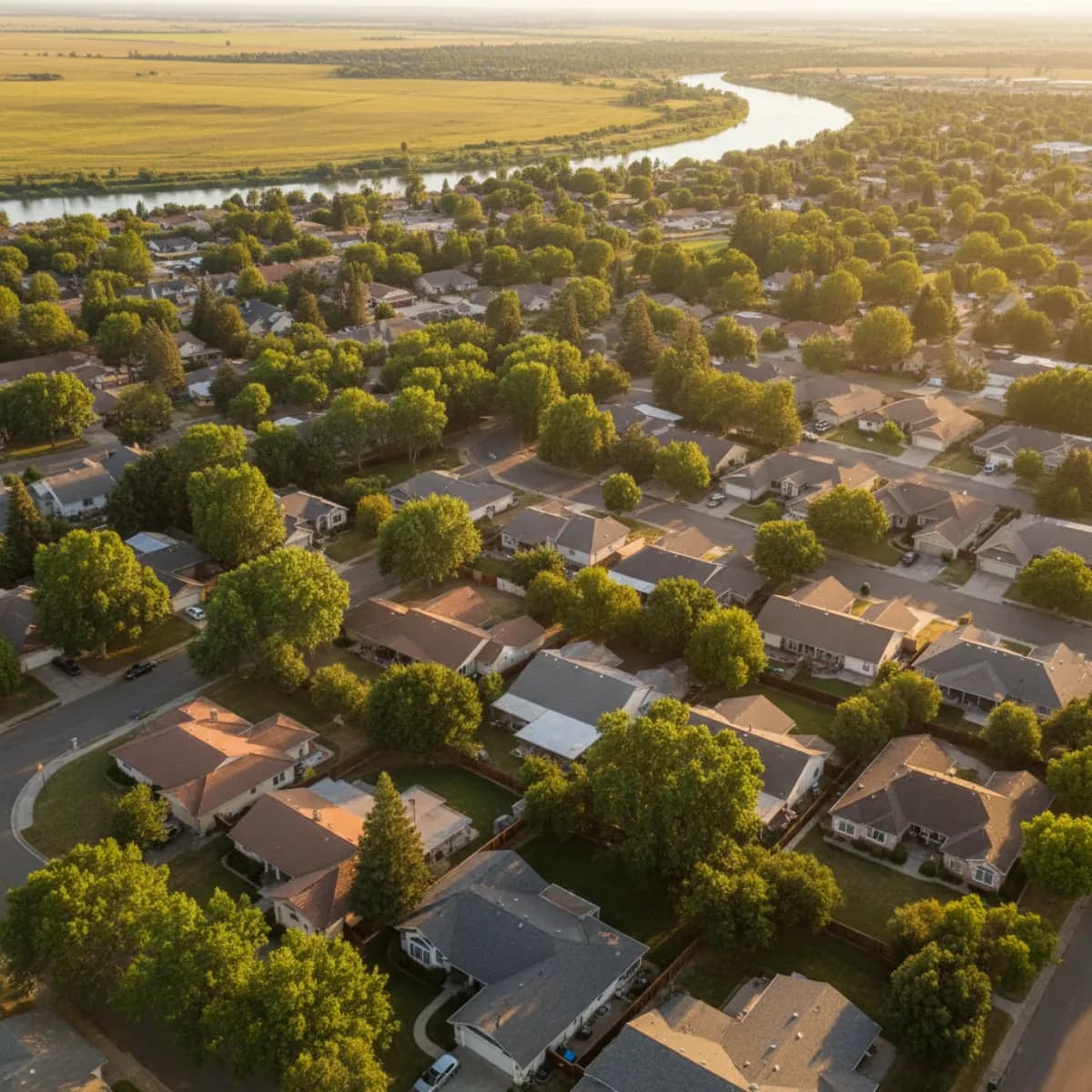
California's Capital City
Instant Roof Replacement Quotes in Sacramento, CA
Sacramento's Central Valley heat pushes 100 degrees F for months every summer, demanding cool-rated roofing that meets strict Title 24 energy standards. Get instant quotes from pre-vetted California contractors for Midtown Victorians, East Sacramento bungalows, Land Park ranches, and homes across the greater Sacramento metro.
Free Quotes
no obligations ever
Contractor Bids
standardized scope comparison
Until You Choose
no spam, no lead resale
CA Contractors
licensed, insured, reviewed
Sacramento at a Glance
City Population
2.4M metro area
Summer Highs
June through September
Sunny Days / Year
Extreme UV exposure
Permit Cost
Sacramento Building Dept.
Title 24 Climate Zone
Cool roof mandatory
License Required
CSLB roofing license
Roofing Challenges Unique to Sacramento
As California's capital city and the heart of the Central Valley, Sacramento presents roofing challenges driven primarily by extreme heat, intense UV radiation, and California's strictest-in-the-nation energy codes. With summer temperatures routinely exceeding 100 degrees F and roof surface temperatures reaching 150-170 degrees F, Sacramento roofs endure thermal stress that shortens the lifespan of conventional materials and drives up cooling costs for homeowners.
! Central Valley Extreme Heat
Sacramento is one of the hottest metro areas in California, with average summer highs of 93-100 degrees F and heat waves pushing temperatures to 110-115 degrees F. Between June and September, homes endure months of relentless heat that can push roof surface temperatures to 150-170 degrees F on dark-colored materials. This extreme thermal load accelerates asphalt degradation, causes shingle curling and granule loss, and dramatically increases cooling costs.
- - Cool-rated materials mandatory under Title 24
- - Roof surface temps reach 150-170 degrees F
- - Asphalt shingle lifespan reduced 15-25%
- - OSHA heat illness protocols affect scheduling
= Title 24 Energy Compliance
Sacramento falls in California Title 24 climate zone 12, one of the state's hottest inland zones with strict cool roof requirements. Every roof replacement must use materials meeting minimum Solar Reflectance Index (SRI) values. Standard dark-colored asphalt shingles are not code-compliant. Contractors must install cool-rated products with reflective granules, light-colored tile, or metal with cool-roof coatings. Failing final inspection for non-compliant materials means a costly re-do.
- - Climate zone 12 SRI requirements
- - Dark shingles prohibited without cool coating
- - Low-slope roofs have stricter standards
- - Non-compliance fails final inspection
~ Wildfire Risk in Surrounding Foothills
While Sacramento's urban core faces minimal direct wildfire threat, the eastern and northern suburbs border the Sierra Nevada foothills where CAL FIRE has designated Moderate to High Fire Hazard Severity Zones. Folsom, El Dorado Hills, Orangevale, Fair Oaks, and parts of Roseville and Granite Bay sit within or adjacent to Wildland-Urban Interface (WUI) zones. The 2020 and 2021 fire seasons brought smoke and evacuation warnings to Sacramento suburbs.
- - Foothill suburbs in WUI fire zones
- - Chapter 7A fire-resistant construction required
- - Class A fire-rated assemblies for WUI homes
- - Insurance underwriting tightening in fire zones
# Valley Fog & Wet Winters
Sacramento's Mediterranean climate brings mild, wet winters with 18-20 inches of annual rainfall concentrated between November and March. The Central Valley is also notorious for Tule fog - dense, ground-level fog that blankets the region for days or weeks at a time during winter months. This persistent moisture creates conditions for moss growth, algae staining, and moisture intrusion on roofs, particularly those with inadequate ventilation or aging underlayment.
- - 18-20 inches of rain, mostly winter months
- - Tule fog creates persistent moisture exposure
- - Proper ventilation prevents moisture damage
- - Algae-resistant shingles recommended
Sacramento Roof Replacement Cost by Material
Sacramento roofing costs run moderately above the national average due to California labor rates ($55-$85/hour), mandatory Title 24 cool roof compliance costs, and Sacramento Building Department permit fees ($250-$600). Costs are lower than coastal California cities like San Francisco and Los Angeles, making Sacramento one of the more affordable major California markets for roof replacement.
Cool-Rated Shingles
#1: Cool-Rated Architectural Shingles
The most popular and affordable roofing option in Sacramento. Cool-rated architectural shingles feature highly reflective granules that exceed Title 24 SRI requirements for climate zone 12, bouncing solar energy away from the roof deck and reducing attic temperatures by 20-30 degrees F compared to standard dark shingles. Major manufacturers including GAF, CertainTeed, and Owens Corning offer Sacramento-compliant product lines in a range of colors. While the most budget-friendly option, these shingles have a shorter lifespan in Sacramento's extreme heat - expect 18-22 years rather than the 25-30 year manufacturer warranty seen in milder climates.
Best For:
Budget-conscious homeowners, most home styles
Lifespan:
18-22 years (Sacramento climate)
Cost Range:
$10,000 - $28,000
Title 24:
Must be cool-rated for zone 12
Concrete Tile
#2: Concrete Tile
Concrete tile is increasingly popular in Sacramento, particularly in newer suburban developments in Elk Grove, Natomas, and Roseville where it has become the builder-standard roofing material. Concrete tile's natural thermal mass absorbs and slowly releases heat rather than transferring it immediately to the attic, providing a natural cooling effect. With a 50+ year lifespan, concrete tile handles Sacramento's extreme heat cycle far better than asphalt shingles. Available in flat, S-profile, and barrel styles to match Mediterranean, Spanish, and contemporary architectural styles common throughout the Sacramento metro.
Best For:
Newer homes, Mediterranean styles, long-term value
Lifespan:
50+ years
Cost Range:
$22,000 - $55,000
Fire Rating:
Class A (non-combustible)
Standing Seam Metal
#3: Standing Seam Metal
Standing seam metal roofing is gaining traction in Sacramento for its exceptional heat performance and solar panel compatibility. With cool-roof coatings, metal roofs reflect up to 70% of solar energy and can reduce cooling costs by 15-25%, a significant savings in a city where summer air conditioning bills can exceed $300-$400/month. Metal is also Class A fire-rated, making it an excellent choice for foothill-adjacent properties in WUI zones. The concealed fastener system of standing seam eliminates the leak points that expansion and contraction create in exposed-fastener metal panels - critical in Sacramento's extreme temperature swings.
Best For:
Energy efficiency, solar-ready homes, modern styles
Lifespan:
40-60 years
Cost Range:
$18,000 - $42,000
Energy Savings:
15-25% cooling cost reduction
Flat Roof / TPO
#4: TPO & Modified Bitumen (Flat Roofs)
Sacramento has a significant number of flat and low-slope roofs, particularly on mid-century ranch-style homes in Midtown, commercial buildings, and multi-family properties. White TPO (Thermoplastic Polyolefin) membrane is ideal for Sacramento's climate - its reflective white surface exceeds Title 24 low-slope requirements and can reduce surface temperatures by 50-60 degrees F compared to dark built-up roofing. Modified bitumen provides excellent waterproofing for Sacramento's concentrated winter rains. Both materials handle the thermal expansion and contraction of Sacramento's extreme temperature swings well.
Best For:
Flat and low-slope roofs, ranches, commercial
Lifespan:
20-30 years
Cost Range:
$8,000 - $22,000
Compliance:
Exceeds Title 24 low-slope SRI
Sacramento Average Roof Cost: Cool-rated shingles $10,000-$28,000. Concrete tile $22,000-$55,000. Standing seam metal $18,000-$42,000. Flat/TPO $8,000-$22,000. Sacramento costs are 10-20% above the national average due to California labor rates and Title 24 compliance. Get your exact price with a free instant estimate.
Sacramento Building Requirements & Permits
Important Local Regulations
Sacramento Building Department Permits
All roof replacements within the City of Sacramento require a building permit from the Community Development Department. Permit fees range from $250 to $600 depending on project scope. Applications can be submitted online through the city's permitting portal. Processing takes 1-3 weeks for standard re-roofs. A final inspection is required upon completion. Properties in unincorporated Sacramento County follow the county building department's separate process with its own fee schedule.
Title 24 Energy Standards (Climate Zone 12)
Sacramento is in California Title 24 climate zone 12, which has strict cool roof requirements for both steep-slope and low-slope roofing. Steep-slope roofs must meet minimum aged Solar Reflectance (SR) of 0.20 and thermal emittance of 0.75, or a minimum SRI of 16. Low-slope roofs require aged SR of 0.63 and thermal emittance of 0.75, or SRI of 75. All roofing material selections must be verified against the Cool Roof Rating Council (CRRC) directory. Non-compliant installations will fail final inspection.
WUI (Wildland-Urban Interface) Fire Zones
Properties in Sacramento's designated WUI zones - primarily in the eastern foothills including parts of Folsom, El Dorado Hills, Orangevale, and Fair Oaks - must comply with California Building Code Chapter 7A. Requirements include Class A fire-rated roof assemblies, ember-resistant vents, non-combustible eave materials, and fire-resistant underlayment. Check your property's fire zone designation on the CAL FIRE Fire Hazard Severity Zone Map or through your local fire department.
Suburban City Permitting
The greater Sacramento metro includes several incorporated cities with independent permitting processes: Elk Grove, Folsom, Roseville, Rancho Cordova, Citrus Heights, and others each have their own building departments, fee schedules, and inspection requirements. A permit from the City of Sacramento is not valid in these jurisdictions. Our pre-vetted contractors handle the correct permitting process for your specific location.
California Contractor Licensing
California requires all roofing contractors to hold a valid C-39 Roofing Contractor License from the Contractors State License Board (CSLB). Verify any contractor at cslb.ca.gov. Licensed contractors must carry workers' compensation insurance and a minimum $25,000 contractor bond. Unlicensed contractors performing work over $500 is a criminal offense in California.
Sacramento's Building Boom & What It Means for Roofing
Sacramento has experienced explosive growth over the past decade, driven by remote workers leaving the San Francisco Bay Area, the expanding state government workforce, and relatively affordable housing compared to coastal California. The metro area's population has grown to approximately 2.4 million, with suburban communities like Elk Grove, Natomas, Rancho Cordova, and Roseville seeing the fastest expansion.
This growth has created a dual roofing challenge. New construction in suburban developments demands qualified installers who understand Title 24 compliance and modern building codes. Simultaneously, Sacramento's older neighborhoods - Midtown, East Sacramento, Land Park, Curtis Park, and Oak Park - have large inventories of aging roofs on homes built in the 1920s through 1960s that are reaching end-of-life and need replacement.
The result is heightened demand for qualified roofing contractors across the Sacramento metro. During peak season (spring through fall), scheduling lead times commonly extend to 3-6 weeks. Getting multiple quotes early and comparing them on a standardized scope of work - exactly what RoofVista provides - is essential for Sacramento homeowners who want to avoid overpaying in a tight contractor market.
Sacramento Growth by the Numbers
Metro area population
Peak season lead time
Fastest-growing US metros
Sacramento Neighborhoods & Communities We Serve
From historic Midtown Victorians to new Natomas subdivisions and foothill estates in Folsom, our pre-vetted contractors serve every part of the Sacramento metro. Each area has unique roofing needs based on its home age, architectural style, and proximity to fire zones.
Midtown & Downtown
- - Victorian and Craftsman homes (1890s-1920s)
- - Historic district considerations
- - Mixed flat and steep-slope roofs
- - Aging roof stock needing replacement
- - Tree canopy creates debris and shade
East Sacramento & Fab 40s
- - Tudor, Colonial, and Mediterranean homes
- - Premium architectural materials expected
- - Large home footprints (2,500-4,000+ sqft)
- - Mature tree canopy and leaf debris
- - HOA restrictions in some subdivisions
Land Park & Curtis Park
- - 1920s-1950s bungalows and ranches
- - Established neighborhood character
- - Mix of shingle and composition roofs
- - Proximity to Sacramento Zoo area
- - Many roofs reaching end-of-life
Elk Grove
- - Fastest-growing Sacramento suburb
- - Concrete tile on newer homes (2000s+)
- - Suburban tract home developments
- - Separate city permitting required
- - HOA material and color restrictions
Natomas
- - Rapid new construction (1990s-present)
- - Concrete tile and shingle homes
- - Flood zone considerations
- - Newer homes may still have original roofs
- - Sacramento city permits apply
Folsom & El Dorado Hills
- - Foothill-adjacent WUI fire zones
- - Class A fire-rated materials required
- - Higher-end homes and estates
- - Separate Folsom city permitting
- - Wildfire insurance considerations
Roseville & Granite Bay
- - Placer County's largest city
- - Mix of new and established neighborhoods
- - Concrete tile standard on newer builds
- - Roseville city permits required
- - Granite Bay estates with large roofs
Rancho Cordova
- - Incorporated city since 2003
- - Affordable homes with aging roofs
- - Growing commercial development
- - Independent city building department
- - Mix of 1960s-1980s and new construction
Fair Oaks & Orangevale
- - Unincorporated Sacramento County
- - Semi-rural parcels with larger lots
- - Proximity to American River fire zones
- - County building department permits
- - Mix of ranch-style and custom homes
Insurance Considerations for Sacramento Homeowners
Wildfire Risk & the Changing Insurance Market
California's insurance market has been in turmoil since major insurers began withdrawing from wildfire-prone areas. While Sacramento's urban core has not been directly affected by insurer pullbacks, homeowners in foothill-adjacent suburbs - Folsom, El Dorado Hills, Orangevale, Fair Oaks, and Granite Bay - are increasingly impacted by tightened underwriting, non-renewals, and premium increases.
Sacramento-Area Challenges
- - Foothill suburb policies facing non-renewal
- - Premiums increasing 20-60% in WUI zones
- - FAIR Plan enrollment growing in eastern suburbs
- - Roof age and condition now heavily scrutinized
- - Some insurers requiring roof replacement before renewal
How a New Roof Helps
- - Class A fire-rated materials improve insurability
- - New roof may qualify for premium reductions
- - Cool-roof materials reduce fire ignition risk
- - Concrete tile and metal preferred by underwriters
- - Document all fire-resistant features for applications
Our pre-vetted contractors understand Sacramento's insurance landscape and can recommend materials and installations that maximize your insurability and may reduce premiums, especially in foothill-adjacent neighborhoods.
How Sacramento's Climate Impacts Your Roof
Sacramento's Central Valley location creates a Mediterranean climate with two distinct seasons that stress roofing materials in fundamentally different ways. Understanding this cycle is essential for choosing the right material and maintaining your investment.
Hot, Dry Summers (June - September)
- Average highs: 93-100 degrees F, heat waves to 115 degrees F
- Rain: Virtually zero precipitation for 4+ months
- Roof surface temps: 150-170 degrees F on dark materials
- UV index: Extreme (10+) most summer days
- Impact: Accelerated asphalt aging, shingle curling, granule loss, thermal expansion stress on fasteners and flashing
Mild, Wet Winters (November - March)
- Average highs: 52-58 degrees F
- Rain: 18-20 inches concentrated in winter months
- Tule fog: Dense fog for days or weeks at a time
- Overnight lows: 38-42 degrees F, occasional frost
- Impact: Moisture intrusion, moss and algae growth, persistent dampness from fog, thermal contraction stress
This extreme seasonal cycling - from 115 degrees F dry heat to cold, foggy winters - causes repeated expansion and contraction that stresses sealants, flashing, and fasteners. Materials that handle this thermal range well, such as concrete tile and standing seam metal, offer superior long-term performance in Sacramento compared to standard asphalt shingles.
Energy Efficiency & Solar Readiness in Sacramento
Sacramento homeowners spend an average of $200-$400 per month on summer cooling costs, making energy-efficient roofing not just an environmental choice but a significant financial one. A properly installed cool roof can reduce attic temperatures by 20-40 degrees F and cut cooling costs by 15-25%.
Sacramento is also one of the best solar markets in California, with 269 sunny days per year and SMUD (Sacramento Municipal Utility District) offering favorable net metering programs. A roof replacement is the ideal time to prepare for or install solar panels. Standing seam metal allows clamp-on solar mounting without roof penetrations, while concrete tile can accommodate solar with specialized tile-replacement mounting systems.
Sacramento Energy Savings Potential
Cooling cost reduction with cool roof
Annual sunshine for solar potential
Attic temperature reduction
Frequently Asked Questions About Sacramento Roofing
How much does a roof replacement cost in Sacramento, CA?
Roof replacement in Sacramento typically costs between $10,000 and $28,000 for cool-rated architectural shingles on a standard 1,800-2,200 square foot home. Concrete tile, which is increasingly popular in Sacramento suburbs, ranges from $22,000 to $55,000 depending on tile profile, home size, and roof complexity. Standing seam metal runs $18,000-$42,000. Sacramento's costs are moderately above the national average due to California labor rates ($55-$85/hour), mandatory Title 24 cool roof compliance, and Sacramento Building Department permit fees ($250-$600). Homes in WUI (Wildland-Urban Interface) zones near the eastern foothills will pay an additional 10-20% for Class A fire-rated assemblies with ember-resistant vents and fire-resistant underlayment. Prices also vary between the city of Sacramento and surrounding jurisdictions like Elk Grove, Folsom, and Roseville due to different permitting requirements.
What roofing materials work best in Sacramento's extreme heat?
Sacramento's Central Valley climate, with summer temperatures routinely exceeding 100 degrees F and roof surface temperatures reaching 150-170 degrees F, demands highly reflective roofing materials. Concrete tile is the top performer - its natural thermal mass absorbs and slowly releases heat rather than transferring it directly to the attic, and it lasts 50+ years despite Sacramento's extreme conditions. Standing seam metal with cool-roof coatings reflects up to 70% of solar energy and reduces cooling costs by 15-25%. Cool-rated architectural shingles are the most affordable Title 24-compliant option, featuring reflective granules that meet climate zone 12 SRI requirements. All steep-slope roofing materials installed in Sacramento must meet California Title 24 minimum Solar Reflectance Index (SRI) values. Standard dark-colored shingles are not code-compliant in Sacramento and will fail final inspection.
Do I need a permit for roof replacement in Sacramento?
Yes, all roof replacements in the City of Sacramento require a building permit from the Community Development Department (Sacramento Building Department). Permit fees range from $250 to $600 depending on project scope. Applications can be submitted online through the city's permitting portal, and processing typically takes 1-3 weeks for standard re-roofs. A final inspection is mandatory upon completion to verify Title 24 compliance, proper installation, and code adherence. Properties in unincorporated Sacramento County follow the county building department's separate process. Importantly, the greater Sacramento metro includes multiple incorporated cities - Elk Grove, Folsom, Roseville, Rancho Cordova, and Citrus Heights - each with independent building departments and permitting requirements. A City of Sacramento permit is not valid in these jurisdictions. Our pre-vetted contractors handle the correct permitting process for your specific location.
What is Title 24 and how does it affect my Sacramento roof?
Title 24 is California's Building Energy Efficiency Standards, and it directly impacts every roof replacement in Sacramento. Sacramento falls in climate zone 12, one of California's hottest inland zones with strict cool roof requirements. Steep-slope roofing must meet minimum aged Solar Reflectance (SR) of 0.20 and thermal emittance of 0.75, or a minimum SRI of 16. Low-slope (flat) roofs have even stricter requirements: aged SR of 0.63 and thermal emittance of 0.75, or SRI of 75. In practice, this means standard dark-colored asphalt shingles without cool-rated technology are not code-compliant in Sacramento. You must choose products verified in the Cool Roof Rating Council (CRRC) directory. All major shingle manufacturers offer Sacramento-compliant cool-rated product lines. Non-compliant materials will fail final building inspection, requiring costly removal and replacement.
Is wildfire risk a concern for Sacramento roofing?
While Sacramento's urban core and valley-floor neighborhoods face minimal direct wildfire risk, the eastern and northern suburbs are a different story. Folsom, El Dorado Hills, Orangevale, Fair Oaks, parts of Roseville, and Granite Bay border the Sierra Nevada foothills where CAL FIRE has designated Moderate to High Fire Hazard Severity Zones. Properties in these Wildland-Urban Interface (WUI) zones must meet California Building Code Chapter 7A fire-resistant construction standards, including Class A fire-rated roofing assemblies, ember-resistant vents, non-combustible eave materials, and fire-resistant underlayment. The 2020 and 2021 fire seasons, which brought significant smoke and evacuation warnings to Sacramento suburbs, underscored the real threat. Insurance companies have also tightened underwriting in these areas, making fire-rated roofing materials not just a code requirement but a practical necessity for maintaining affordable coverage.
How long does a roof replacement take in Sacramento?
Most Sacramento roof replacements take 2-4 days for cool-rated architectural shingles, 4-7 days for concrete tile installations, and 3-5 days for standing seam metal. Sacramento's predominantly dry climate allows year-round roofing work, which is a significant advantage. However, the extreme summer heat (100-115 degrees F) presents a unique scheduling challenge. OSHA heat illness prevention protocols require shade, water, rest breaks, and sometimes early start/early stop schedules during heat waves, which can extend project timelines by 1-2 days during peak summer. Winter's Tule fog and occasional rain events (November through March) may cause brief delays but rarely stop work for more than a day or two. The permitting process (1-3 weeks) should be factored into overall planning. During peak season (spring through fall), scheduling lead times run 3-6 weeks due to Sacramento's building boom and contractor demand.
What should I know about Sacramento's building boom and roofing demand?
Sacramento is one of the fastest-growing metro areas in California, driven by remote workers relocating from the San Francisco Bay Area (a 90-minute drive west), the expanding state government workforce, and relatively affordable housing compared to coastal California. Suburbs like Elk Grove, Natomas, Rancho Cordova, and Roseville have seen massive residential development. This growth creates two sources of roofing demand: new construction in expanding suburbs needs qualified contractors who understand Title 24 compliance and modern building codes, while older neighborhoods like Midtown, East Sacramento, Land Park, and Curtis Park have large inventories of aging roofs on homes built from the 1920s through 1960s that are reaching end-of-life. The result is heightened competition for quality roofing contractors and longer scheduling lead times. Getting multiple quotes early and comparing them on a standardized scope of work through RoofVista's marketplace helps Sacramento homeowners avoid overpaying in a tight contractor market.
How does Sacramento's climate affect roof lifespan?
Sacramento's Central Valley climate creates a unique and demanding stress cycle for roofing materials. Hot, dry summers with temperatures exceeding 100 degrees F push roof surface temperatures to 150-170 degrees F on dark materials, accelerating UV degradation and thermal breakdown. Then mild, wet winters with Tule fog create persistent moisture exposure. This repeated cycling between extreme heat and cool, damp conditions causes constant expansion and contraction that stresses sealants, flashing, and fasteners. The result: asphalt shingles in Sacramento typically last 18-22 years rather than the 25-30 year manufacturer warranty seen in milder climates - a 15-25% lifespan reduction. Concrete tile (50+ years) and standing seam metal (40-60 years) handle Sacramento's thermal cycling far better, making them significantly better long-term investments despite higher upfront costs. Proper attic ventilation is also critical in Sacramento to prevent moisture buildup during fog season and reduce heat stress during summer.
California Roofing Resources
California State Overview
All California roofing resources and city pages
California Roof Replacement Cost Guide
Detailed pricing for all CA regions and materials
Best Roofing Materials for California
Climate-specific material recommendations
Wildfire-Resistant Roofing in California
Fire zone requirements and material recommendations
California Roofing Building Codes
Title 24, fire codes, and local requirements
Instant Roofing Cost Calculator
Get your Sacramento roof cost estimate in minutes
Get Your Sacramento Roof Quote in Minutes
Enter your address to compare instant quotes from pre-vetted California contractors who specialize in cool roof compliance, extreme heat protection, and Title 24 energy standards