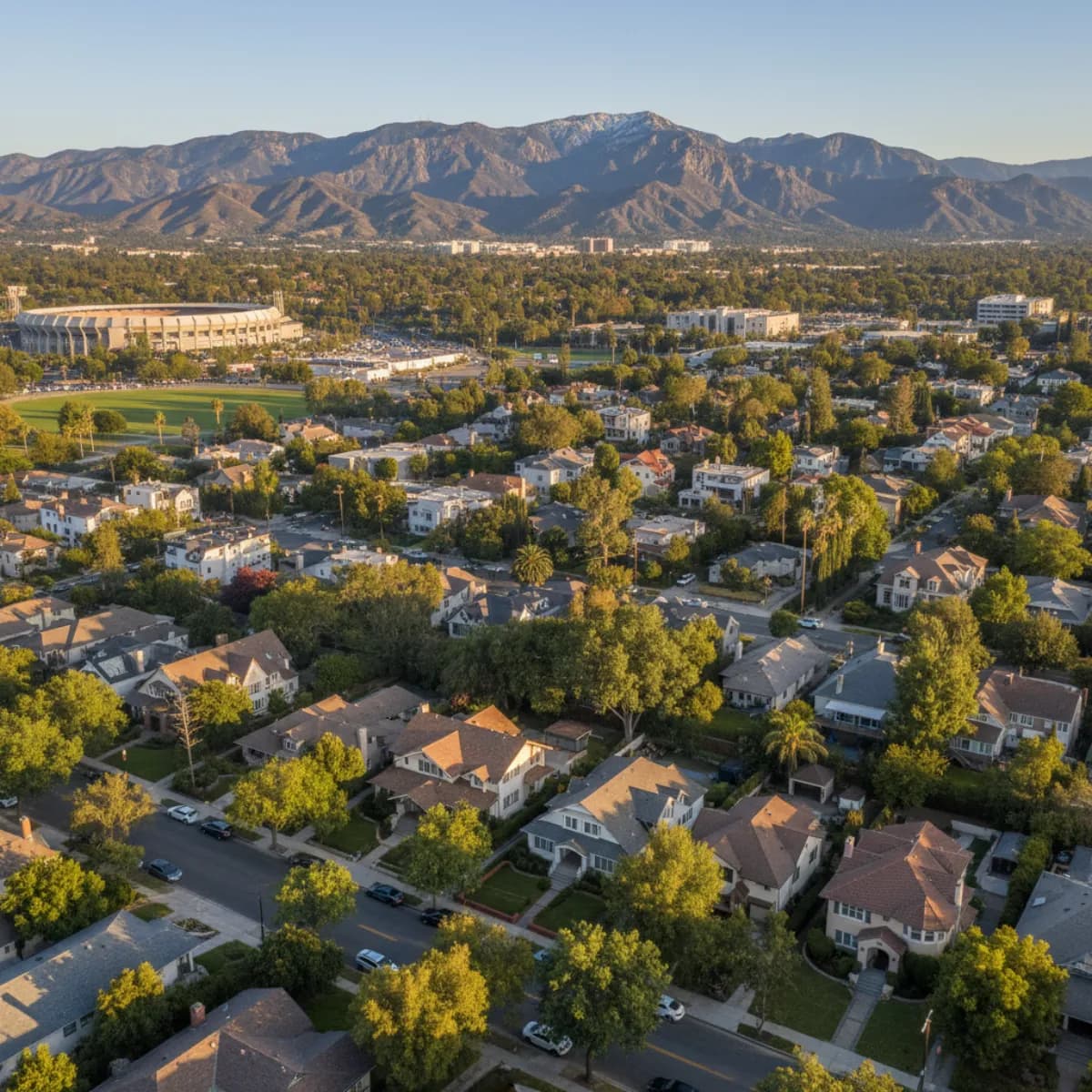
The Crown City — Historic Craftsman Capital
Instant Roof Replacement Quotes in Pasadena, CA
Home to the Gamble House, Bungalow Heaven, and some of America's finest Craftsman architecture, Pasadena demands roofing that honors historic character while meeting strict WUI fire zone codes and California's Title 24 energy standards. Get instant quotes from pre-vetted contractors who specialize in period-appropriate materials, foothill fire protection, and San Gabriel Valley heat resistance.
Free Quotes
no obligations ever
Contractor Bids
standardized scope comparison
Until You Choose
no spam, no lead resale
CA Contractors
licensed, insured, reviewed
Pasadena at a Glance
Population
Crown City, San Gabriel Valley
Historic Structures
Craftsman, Spanish Colonial, Victorian
Summer Highs
San Gabriel Valley heat
Permit Cost
Pasadena Building & Safety
Fire Rating Required
All re-roofs, stricter in WUI zones
Title 24 Climate Zone
Cool roof SRI compliance
Why Pasadena Roofing Requires Specialized Expertise
Pasadena is widely regarded as the Craftsman architecture capital of America. The city's collection of early 20th-century bungalows, the iconic Gamble House (a National Historic Landmark), and the Bungalow Heaven Landmark District represent some of the finest examples of Arts and Crafts residential design anywhere in the world. This architectural heritage creates unique roofing requirements that demand contractors with deep knowledge of period-appropriate materials, historic preservation review processes, and the ability to satisfy both aesthetic standards and modern building codes simultaneously.
Beyond its historic core, Pasadena's position at the base of the San Gabriel Mountains places foothill neighborhoods squarely in Wildland-Urban Interface (WUI) fire zones. The city also sits in one of Southern California's hottest microclimates, with San Gabriel Valley summer temperatures routinely exceeding 100 degrees F. Add seismic risk from the Raymond and Sierra Madre faults, and Pasadena roofs face a uniquely demanding combination of challenges that require specialized local expertise.
Home to Caltech, NASA's Jet Propulsion Laboratory (JPL), and the Rose Bowl, Pasadena has some of the highest property values in the San Gabriel Valley. Homeowners here expect premium quality, and the stakes of choosing the wrong contractor or material are exceptionally high — both for the integrity of a historic home and for compliance with the city's rigorous codes.
Roofing Challenges Unique to Pasadena
* Historic Preservation Requirements
Pasadena's Bungalow Heaven Landmark District (the largest such district in the U.S.), Garfield Heights, and other designated historic areas enforce strict Design Review requirements for roof replacements. Materials must match the period character of the original structure — the Gamble House aesthetic sets the standard. Original wood shake roofs on Craftsman homes typically require composite shake or high-profile architectural shingles that replicate the hand-split shake appearance, in earth-tone color palettes consistent with Arts and Crafts design.
- - Design Review approval required in landmark districts
- - Materials must match period character
- - Earth-tone palettes enforced (greens, browns, grays)
- - Original profile replication required
! WUI Fire Zones & Foothill Exposure
Pasadena's northern neighborhoods sit directly against the San Gabriel Mountains and Angeles National Forest, placing them in Very High Fire Hazard Severity Zones. The 2009 Station Fire burned over 160,000 acres and destroyed 89 residences in the foothill communities. Homes in Linda Vista, San Rafael, upper Altadena, and areas near the Eaton Canyon Nature Area face the highest wildfire risk and must meet full WUI code requirements including Class A fire-rated assemblies, ember-resistant vents, and ignition-resistant construction.
- - Class A fire rating mandatory for all re-roofs
- - Ember-resistant vents in VHFHSZ areas
- - Fire-resistant underlayment required
- - Chapter 7A compliance in highest-risk zones
~ San Gabriel Valley Extreme Heat
Pasadena sits in the San Gabriel Valley, one of the hottest microclimates in metropolitan Los Angeles. Summer temperatures routinely reach 95-105 degrees F, with occasional heat waves pushing above 110 degrees F. The valley's basin geography traps heat, and roof surface temperatures can exceed 160 degrees F. This extreme thermal cycling accelerates asphalt shingle degradation 20-30% faster than coastal areas just 15 miles away. Combined with intense UV from 275+ sunny days per year, material selection for heat resistance is paramount.
- - Title 24 cool roof compliance (climate zone 9)
- - High SRI materials to reduce cooling costs
- - Thermal cycling stresses roof materials daily
- - UV degradation 20-30% faster than coastal areas
= Santa Ana Winds & Seismic Risk
Hot, dry Santa Ana winds funnel through the San Gabriel Mountain passes directly into Pasadena at 50-80 mph, with canyon-effect gusts exceeding 100 mph. These winds tear off inadequately secured roofing, carry wildfire embers from foothill fires into residential neighborhoods, and sandblast roofing surfaces with debris. Additionally, Pasadena's proximity to the Raymond Fault and Sierra Madre Fault means seismic resilience is critical — heavy roofing materials must be properly secured to prevent displacement during earthquakes.
- - Wind-rated installation (110+ mph) essential
- - Enhanced nail patterns and tile clips
- - Seismic fastening required for tile roofs
- - Lightweight materials reduce seismic load
Historic District Roof Replacement in Pasadena
Replacing a roof on a historic Pasadena home is fundamentally different from a standard re-roof. The city's Design and Historic Preservation section reviews all exterior modifications in landmark districts, and roofing is among the most visible changes. Understanding the review process, acceptable materials, and how to satisfy both historic standards and modern fire and energy codes is essential.
Pasadena Historic District Roof Replacement Process
Step 1: Determine Historic Status
Check whether your property falls within a designated landmark district (Bungalow Heaven, Garfield Heights, Batchelder Historic District, etc.) or is individually listed on the Pasadena Register of Historic Places. The Pasadena Planning Department maintains current boundary maps.
Step 2: Pre-Application Consultation
Schedule a pre-application meeting with the Design and Historic Preservation staff. Bring photos of the existing roof, your proposed materials with physical samples, and color selections. Staff can flag potential issues before formal submission.
Step 3: Design Review Application
Submit a Certificate of Appropriateness (COA) application with material specifications, color samples, and installation details. Reviews are typically completed within 2-4 weeks for straightforward re-roofs that maintain the existing roof profile and use approved materials.
Step 4: Approved Material Options
For Craftsman-era homes: composite shake (DaVinci, CeDUR, or equivalent Class A fire-rated products), high-profile architectural shingles in earth tones, or composite slate. For Spanish Colonial homes: clay tile or concrete tile in approved profiles. Original material replacement (wood shake) may be allowed with fire-retardant treatment in non-WUI zones.
The intersection of historic preservation and fire safety creates a particular challenge in Pasadena. Many original Craftsman roofs used wood shake — a material now restricted or prohibited in WUI zones due to fire risk. Modern composite shake products have largely resolved this conflict, offering the authentic hand-split appearance demanded by historic review boards while meeting Class A fire rating requirements. Products like DaVinci Roofscapes and CeDUR synthetic shake have become the standard solution for Pasadena's historic homes, providing the period aesthetic with 50+ year lifespans, zero maintenance, and full fire compliance.
Pasadena Roof Replacement Cost by Material
Pasadena roofing costs reflect the city's high property values, historic preservation requirements, and California labor rates. Historic district homes typically cost 15-30% more than standard re-roofs due to specialty materials and the Design Review process. WUI zone properties add an additional 10-20% for fire-compliant assemblies.
Composite Slate
#1: Composite Slate
The premier choice for Pasadena's historic Craftsman homes. Composite slate replicates the appearance of natural slate — a material found on many early 20th-century Pasadena estates — at a fraction of the weight and cost. With Class A fire rating, 50+ year lifespan, and zero maintenance, composite slate satisfies historic review boards, WUI fire codes, and homeowner expectations simultaneously. Products from DaVinci Roofscapes and Brava Roof Tile are commonly approved by Pasadena's Design Review.
Best For:
Historic Craftsman homes, estates
Lifespan:
50+ years
Cost Range:
$30,000 - $55,000
Fire Rating:
Class A
Composite Shake
#2: Composite Shake (Craftsman Standard)
The most historically accurate replacement for original wood shake roofs on Pasadena Craftsman bungalows. Composite shake products like CeDUR and DaVinci Hand-Split Shake replicate the thick, irregular profile of hand-split cedar shake — the original roofing material specified by Greene & Greene and other Arts and Crafts architects. Unlike wood shake, composites are Class A fire-rated, impervious to rot and insects, and approved for WUI zones. Pasadena's Design Review consistently approves these products for landmark district homes.
Best For:
Craftsman bungalows, Bungalow Heaven
Lifespan:
40-50 years
Cost Range:
$28,000 - $50,000
Historic Review:
Consistently approved
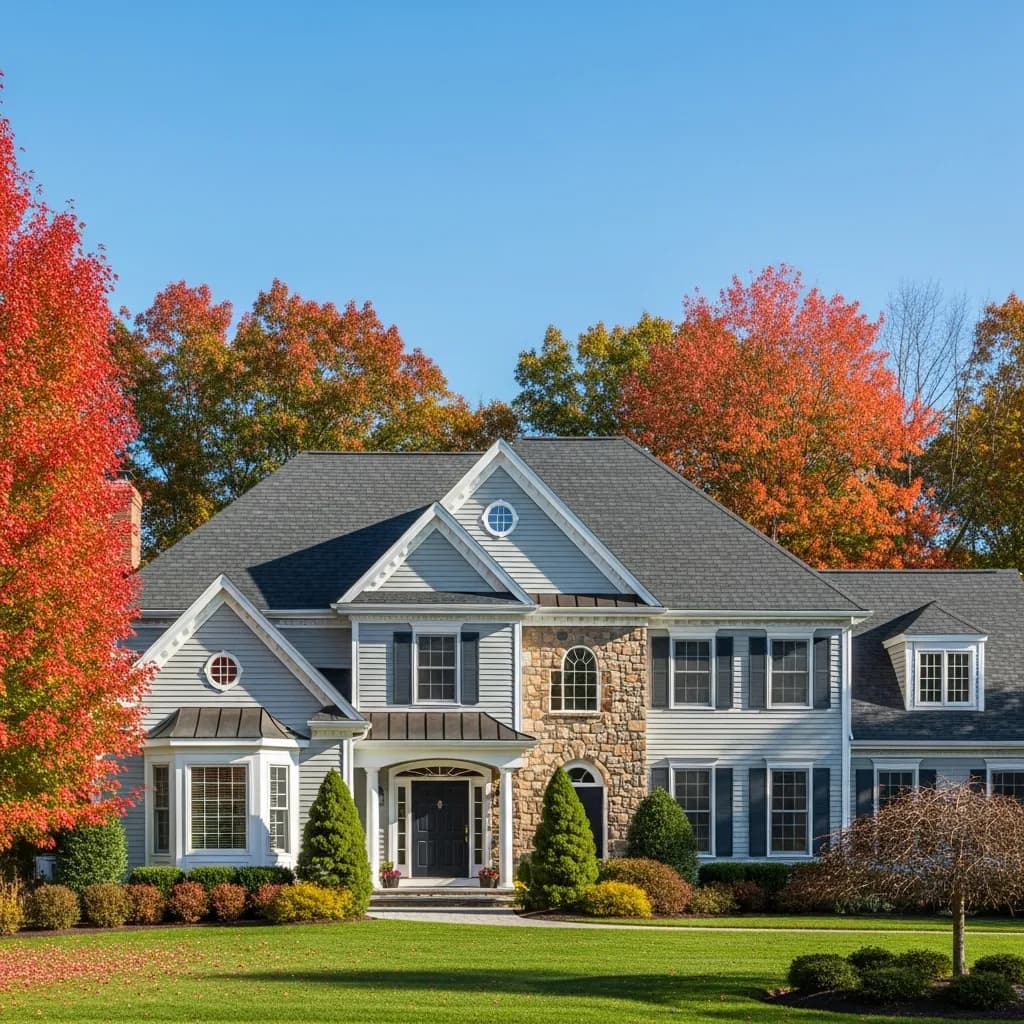
#3: Cool-Rated Architectural Shingles
The most cost-effective option for Pasadena homeowners, and the standard choice for non-historic homes. Title 24 requires cool-rated shingles in Pasadena's climate zone 9, featuring reflective granules that exceed minimum SRI values. High-profile architectural shingles can approximate the dimensional look of wood shake, making them acceptable in some historic review contexts when budget constraints preclude composite products. Brands like GAF HDZ and Owens Corning Duration COOL are popular in Pasadena.
Best For:
Non-historic homes, budget-conscious
Lifespan:
20-30 years (Pasadena climate)
Cost Range:
$18,000 - $35,000
Requirement:
Must be Title 24 cool-rated
Clay Tile
#4: Clay & Concrete Tile
Essential for Pasadena's Spanish Colonial Revival and Mediterranean homes, which are nearly as prevalent as Craftsman bungalows throughout the city. Clay tile provides natural thermal mass that keeps interiors cooler in the San Gabriel Valley heat, Class A fire rating, and a 50-75 year lifespan. Many Pasadena neighborhoods along Orange Grove Boulevard, the “Millionaire's Row,” feature grand tile-roofed estates. Concrete tile offers a more affordable alternative with similar aesthetics.
Best For:
Spanish Colonial, Mediterranean homes
Lifespan:
50-75 years
Cost Range:
$35,000 - $65,000
Fire Rating:
Class A (non-combustible)
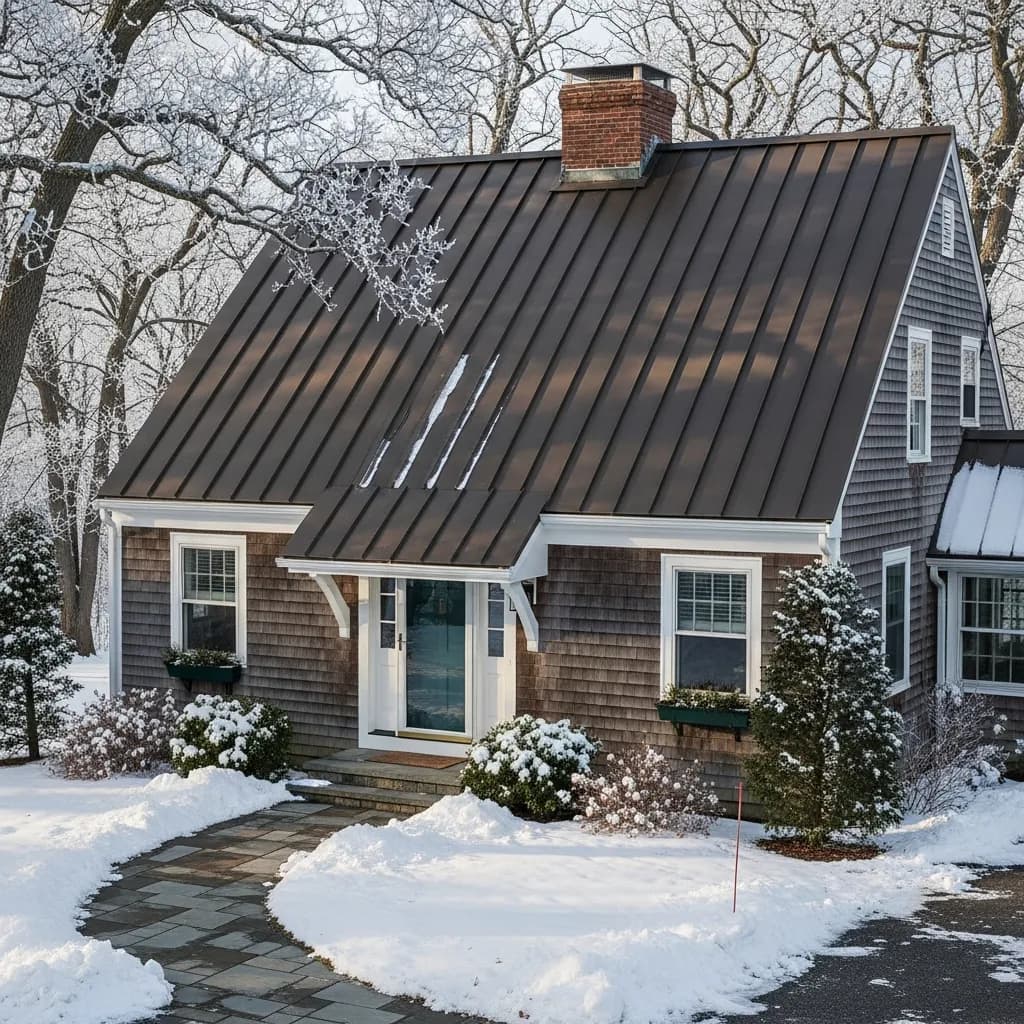
#5: Standing Seam Metal
Increasingly popular for modern homes and mid-century properties in Pasadena, particularly in neighborhoods near Caltech and JPL. Standing seam metal with cool-roof coatings reflects up to 70% of solar energy, dramatically reducing cooling costs during Pasadena's intense summers. Metal is also ideal for solar panel installations with clamp-on mounting that requires no roof penetrations. While not typically approved for Craftsman-era historic homes, standing seam metal is the premium choice for contemporary Pasadena architecture.
Best For:
Modern homes, solar-ready roofs
Lifespan:
40-70 years
Cost Range:
$25,000 - $50,000
Energy Savings:
10-25% cooling reduction
Pasadena Average Roof Cost: Architectural shingles $18,000-$35,000. Composite slate/shake $28,000-$55,000. Clay tile $35,000-$65,000. Metal $25,000-$50,000. Historic district homes typically add 15-30% for specialty materials and Design Review compliance. Get your exact price with a free instant estimate.
Pasadena Building Requirements & Codes
Important Local Regulations
Pasadena Building Permits (Separate from LA County)
Pasadena is an incorporated city with its own Department of Building and Safety — permits are NOT handled through LA County. All roof replacements require a Pasadena building permit. Fees range from $300-$700. Standard processing takes 1-3 weeks. The permit application can be submitted online through the Pasadena Permit Center. Inspections are mandatory at multiple stages.
Historic Preservation Design Review
Properties in designated landmark districts or individually listed on the Pasadena Register require a Certificate of Appropriateness (COA) before any exterior modification including re-roofing. The Design and Historic Preservation section reviews material type, color, profile, and installation method. Processing adds 2-4 weeks. Non-compliance can result in code enforcement action and requirements to remove and replace non-conforming materials.
Title 24 Energy Standards (Climate Zone 9)
Pasadena falls in California Title 24 climate zone 9. All steep-slope roofing must meet minimum Solar Reflectance Index (SRI) values. Cool-rated materials are required for both new construction and re-roofs. Low-slope (flat) roofs have stricter SRI requirements. Non-compliant materials will fail final inspection.
WUI Fire Zone Compliance
Properties in Pasadena's foothill WUI zones must comply with California Building Code Chapter 7A. Requirements include Class A fire-rated roof assemblies, ember-resistant vents (meeting ASTM E2886), fire-resistant underlayment, non-combustible eave and fascia materials, and maintained defensible space. The Pasadena Fire Department conducts annual WUI inspections in high-risk areas.
Altadena (Unincorporated LA County)
Altadena, directly north of Pasadena, is unincorporated LA County territory with separate permitting through the LA County Department of Public Works. Building requirements differ from Pasadena proper. Altadena has no historic preservation overlay, but WUI fire zone requirements apply to foothill properties near the Angeles National Forest boundary.
California C-39 Contractor Licensing
All roofing contractors must hold a valid C-39 Roofing Contractor License from the Contractors State License Board (CSLB). Verify at cslb.ca.gov. Licensed contractors carry workers' compensation insurance and a minimum $25,000 contractor bond. Pasadena's high-value historic homes warrant additional verification of contractor experience with landmark-district projects.
Pasadena Neighborhoods We Serve
From the tree-lined streets of Bungalow Heaven to the hillside estates of Linda Vista, our pre-vetted contractors serve every Pasadena neighborhood and surrounding community. Each area has distinct roofing requirements based on its architectural character, fire zone designation, and historic status.
Bungalow Heaven
- - Landmark District (800+ Craftsman homes)
- - Largest Craftsman district in U.S.
- - Design Review required for all re-roofs
- - Composite shake and slate preferred
- - Earth-tone palettes enforced
Old Town Pasadena
- - Commercial and residential mix
- - Historic commercial buildings
- - Flat roof and tile combinations
- - Mixed architectural periods
- - Standard city permitting
Linda Vista & San Rafael
- - WUI fire zone properties
- - High-value hillside estates
- - Class A fire rating mandatory
- - Ember-resistant assemblies required
- - Limited access for some properties
South Pasadena
- - Separate incorporated city
- - Own permitting process
- - Craftsman and Victorian homes
- - Historic Preservation Ordinance
- - Strong neighborhood character standards
Madison Heights & Chapman Woods
- - Mid-century and traditional homes
- - High property values
- - Near Caltech and Huntington
- - Mix of tile and shingle roofs
- - Standard city permitting
Altadena (Unincorporated)
- - LA County permits (not Pasadena)
- - Foothill WUI fire zones
- - No historic overlay restrictions
- - Mix of ranch and custom homes
- - Angeles National Forest boundary
Insurance Considerations for Pasadena Homeowners
Wildfire Risk & Insurance in the Foothills
Pasadena's insurance landscape is split between flatland neighborhoods with standard rates and foothill properties facing significant wildfire-related challenges. Properties in Linda Vista, San Rafael, upper Altadena, and areas near the Eaton Canyon boundary face restricted coverage from major insurers who have reduced their California wildfire zone exposure.
Current Challenges
- - Major insurers restricting foothill coverage
- - FAIR Plan as insurer of last resort for high-risk properties
- - Premiums 40-80% higher in foothill zones vs. flatland
- - Some foothill properties limited to surplus lines carriers
- - Annual WUI inspections required by some insurers
How Your Roof Can Help
- - Class A fire-rated roofing improves insurability
- - Ember-resistant upgrades may reduce premiums
- - Non-combustible materials (tile, metal) preferred
- - Defensible space compliance improves coverage options
- - Document all fire-resistant upgrades for applications
Our pre-vetted contractors understand Pasadena's insurance requirements and can recommend materials and installations that maximize your insurability and may reduce premiums. For foothill properties, investing in premium fire-resistant roofing often pays for itself through improved insurance access.
Frequently Asked Questions About Pasadena Roofing
How much does a roof replacement cost in Pasadena, CA?
Roof replacement in Pasadena typically costs $18,000-$35,000 for cool-rated architectural shingles on a standard home. Composite slate and shake for historic Craftsman homes range from $28,000 to $55,000 — the premium reflects both the specialty materials and the Design Review process required in landmark districts. Clay tile for Spanish Colonial and Mediterranean homes costs $35,000-$65,000. Standing seam metal runs $25,000-$50,000. Pasadena's costs are driven by California labor rates ($85-$115/hour), the city's own permitting fees ($300-$700 through Pasadena Building and Safety, separate from LA County), historic preservation compliance for landmark-district properties, and WUI fire zone requirements for foothill homes. Properties that must satisfy both historic review and fire zone codes can see costs 25-40% above standard rates.
What are the historic preservation roofing rules in Pasadena?
Pasadena takes historic preservation seriously. Properties in designated landmark districts — including Bungalow Heaven (the largest Craftsman landmark district in the U.S. with 800+ homes), Garfield Heights, Batchelder, and others — require Design Review approval from the City's Design and Historic Preservation section before roof replacement. A Certificate of Appropriateness (COA) must be obtained, which evaluates material type, color palette, roof profile, and installation method for consistency with the historic character. For Craftsman-era homes, approved materials typically include composite shake (DaVinci, CeDUR), high-profile architectural shingles in earth tones, and composite slate. Spanish Colonial homes may use clay or concrete tile in approved profiles. The review process adds 2-4 weeks to project timelines. Non-compliance can result in enforcement action requiring material removal and replacement at the homeowner's expense.
What WUI fire zone requirements apply to Pasadena roofs?
Pasadena's foothill neighborhoods — including Linda Vista, San Rafael, upper Altadena, and properties near Eaton Canyon and the Angeles National Forest boundary — fall within Wildland-Urban Interface (WUI) fire zones. All roofing in these areas must be Class A fire-rated assemblies, the highest fire resistance classification. Additional requirements under California Building Code Chapter 7A include ember-resistant vents (meeting ASTM E2886), fire-resistant underlayment (ASTM E108 compliant), non-combustible eave and fascia materials, and maintained 100-foot defensible space clearance. The 2009 Station Fire, which burned over 160,000 acres in the San Gabriel Mountains, demonstrated the severe risk these properties face. Pasadena's Fire Department conducts annual WUI inspections in high-risk areas, and non-compliance can affect insurance coverage and property sale eligibility.
What roofing materials are best for Pasadena's climate?
Pasadena's San Gabriel Valley microclimate presents extreme thermal demands: summer highs regularly reach 95-105 degrees F (20-30 degrees hotter than coastal areas just 15 miles west), with roof surface temperatures exceeding 160 degrees F. Combined with 275+ sunny days of intense UV exposure and seasonal Santa Ana wind events, material selection must prioritize heat resistance, UV durability, and wind performance. Composite slate (50+ year lifespan, Class A fire-rated) is the premium choice for historic homes. Cool-rated architectural shingles are the most affordable option meeting Title 24 zone 9 requirements. Clay tile provides natural thermal mass ideal for Spanish Colonial homes. Standing seam metal with reflective coatings offers the best heat reflection for modern properties. All steep-slope materials must meet California Title 24 SRI values for climate zone 9. For Craftsman homes in historic districts, material choice must also satisfy Design Review aesthetic requirements.
Do I need a permit for roof replacement in Pasadena?
Yes, all roof replacements in the City of Pasadena require a building permit from the Pasadena Department of Building and Safety — this is a separate permitting authority from LA County. Permit fees range from $300-$700 depending on project scope and property size. Standard re-roof permits are typically processed within 1-3 weeks. Applications can be submitted through the Pasadena Permit Center. Properties in historic landmark districts require an additional Certificate of Appropriateness (COA) from the Design and Historic Preservation section, adding 2-4 weeks. Homes in WUI fire zones need fire compliance documentation. Multiple inspections are required including pre-construction review and final sign-off. Note that Altadena, immediately north of Pasadena, is unincorporated LA County and requires separate permitting through LA County Department of Public Works. South Pasadena, to the south, has its own separate permitting process as well.
How do Santa Ana winds affect roofs in Pasadena?
Pasadena is particularly vulnerable to Santa Ana winds because the San Gabriel Mountains funnel these hot, dry northeast winds directly through mountain passes and into the city at sustained speeds of 50-80 mph, with canyon-effect gusts exceeding 100 mph in areas near Eaton Canyon and the Arroyo Seco. These events cause significant roofing damage: shingle blow-off from inadequate fastening, tile displacement on roofs without proper clips and adhesive, and debris impact from surrounding mature trees (Pasadena is known for its tree canopy). Santa Ana events also carry wildfire embers from foothill fires deep into residential neighborhoods, making ember-resistant roofing assemblies essential even for flatland homes near the foothills. Proper wind-rated installation requires enhanced six-nail patterns for shingles, foam adhesive with hurricane clips for tile, sealed ridge caps, and reinforced drip edges. Our contractors install to 110+ mph wind ratings as standard practice in Pasadena.
What insurance challenges do Pasadena homeowners face for roofing?
Insurance availability in Pasadena varies dramatically by location. Flatland neighborhoods in central and south Pasadena generally have normal insurance access and rates. However, foothill properties in Linda Vista, San Rafael, upper Altadena, and areas near the Angeles National Forest face substantial challenges. Several major insurers — including State Farm, Allstate, and Farmers — have restricted new policy issuance in California wildfire zones. Foothill homeowners may see premiums 40-80% higher than flatland properties, and some may be limited to California's FAIR Plan (the state-backed insurer of last resort) or surplus lines carriers. Installing Class A fire-rated roofing, ember-resistant vents, and non-combustible materials can meaningfully improve both insurability and premium rates. Document every fire-resistant upgrade with manufacturer specifications and installation photos for insurance applications.
Is Pasadena at risk for earthquake damage to roofs?
Yes, Pasadena sits in a seismically active area near two significant faults: the Raymond Fault (which runs through the city) and the Sierra Madre Fault along the San Gabriel Mountain front. Earthquake forces can displace heavy roofing materials like concrete tile and natural slate, turning them into dangerous projectiles. California Building Code requires seismic clips and enhanced fastening for tile roofs in Seismic Design Category D, which includes Pasadena. Lightweight materials like composite slate and architectural shingles significantly reduce seismic load on the roof structure. When replacing a roof, it is also the ideal time to inspect and reinforce roof-to-wall connections (hurricane ties) and cripple wall bracing, which prevent catastrophic roof separation during strong shaking. Modern composite materials that replicate the look of heavy tile or slate at a fraction of the weight offer the best combination of aesthetic authenticity and seismic safety for Pasadena's historic homes.
California Roofing Resources
California State Overview
All California roofing resources and city pages
WUI Zone Roofing Requirements
Fire zone compliance guide for California homeowners
Earthquake & Seismic Roofing Guide
Seismic resilience for California roofs
California Roof Replacement Cost Guide
Detailed pricing for all CA regions and materials
Best Roofing Materials for California
Climate-specific material recommendations
Title 24 Cool Roof Guide
Energy efficiency requirements for California re-roofs
FAIR Plan Insurance & Roofing
Insurance options for high-risk California properties
California Contractor Licensing
C-39 license requirements and CSLB verification
Get Your Pasadena Roof Quote in Minutes
Enter your address to compare instant quotes from pre-vetted California contractors who specialize in historic Craftsman preservation, WUI fire zone compliance, and San Gabriel Valley heat resistance