
East Bay's Largest City
Instant Roof Replacement Quotes in Oakland, CA
Over 430,000 residents across Oakland need roofing that handles the East Bay's unique dual challenge: fog-driven moisture in the flatlands and extreme fire risk in the hills. Get instant quotes from pre-vetted California contractors for Rockridge Victorians, Montclair hillside homes, Temescal Craftsmans, and properties across every Oakland neighborhood.
Free Quotes
no obligations ever
Contractor Bids
standardized scope comparison
Until You Choose
no spam, no lead resale
CA Contractors
licensed, insured, reviewed
Oakland at a Glance
Population
Largest East Bay city
Homes Destroyed
1991 Oakland Hills firestorm
Fire Rating Required
All WUI zone re-roofs
Permit Cost
Oakland Building Dept.
Fault Line Proximity
Seismic considerations
Cool Roof Compliance
Climate zone 3
Roofing Challenges Unique to Oakland
Oakland occupies a unique position in the Bay Area roofing landscape. The city stretches from the fog-shrouded flatlands along the Bay to the fire-prone ridgeline of the East Bay hills, creating a split personality that demands different roofing strategies depending on elevation. Add the Hayward Fault's seismic threat, a housing stock dominated by century-old Victorians and Craftsmans, and Bay Area labor costs, and Oakland presents one of California's most complex roofing environments.
! Oakland Hills Fire Risk & WUI Zones
The 1991 Oakland Hills firestorm remains one of the most devastating urban wildfires in U.S. history. On October 20, 1991, a wind-driven fire destroyed 3,334 single-family homes and 456 apartments, killed 25 people, and caused $1.5 billion in damage. This catastrophe transformed Oakland's building codes and created the city's Wildland-Urban Interface (WUI) fire prevention district, covering thousands of hillside properties from Montclair to Claremont to Hiller Highlands.
- - Class A fire-rated roofing mandatory in WUI zones
- - Ember-resistant vents and non-combustible eaves required
- - 100-foot defensible space around all structures
- - Annual Oakland Fire Department compliance inspections
~ Bay Fog & Marine Moisture
Oakland's flatland neighborhoods - from West Oakland to Temescal to Fruitvale - sit below the fog line and receive persistent marine moisture from San Francisco Bay. Summer fog can keep roofs damp for hours each morning, accelerating moss growth, algae staining, and organic matter accumulation. This chronic moisture penetrates underlayment over time, causing wood rot in roof decking and reducing the effective lifespan of standard shingles by 3-5 years compared to drier inland areas.
- - Algae-resistant shingles essential in flatlands
- - Enhanced ridge and soffit ventilation critical
- - Synthetic underlayment resists moisture better
- - Regular moss and debris maintenance required
= Hayward Fault & Seismic Risk
The Hayward Fault runs directly through the East Bay, passing through Oakland, Berkeley, and Fremont. The USGS estimates a 33% probability of a magnitude 6.7+ earthquake on the Hayward Fault within the next 30 years. For roofing, this means structural considerations are paramount: heavy materials like concrete and clay tile require engineered roof framing capable of withstanding seismic forces. Many of Oakland's pre-1940 homes have roof structures that need reinforcement before heavier materials can be safely installed.
- - Heavy tile requires seismically engineered framing
- - Lightweight materials reduce structural stress
- - Pre-1940 homes often need structural assessment
- - Metal and architectural shingles are seismic-friendly
# Historic Architecture & Steep Access
Oakland's diverse housing stock includes Victorian-era homes in West Oakland, Craftsman bungalows in Rockridge and Temescal, Tudor and Spanish Colonial homes in the Piedmont area, and mid-century modern homes in the hills. Many of these homes have complex rooflines, decorative elements, and steep pitches that require specialized installation expertise. Hillside properties in Montclair and Oakland Hills often have limited vehicle access, requiring hand-carried materials and adding 10-20% to project costs.
- - Victorian homes: complex gables and turrets
- - Craftsman roofs: wide overhangs and exposed rafter tails
- - Hillside access adds 10-20% to project costs
- - Period-appropriate materials for historic homes
Oakland Hills vs. Flatlands: Two Different Roofing Worlds
Oakland is effectively two cities when it comes to roofing. The flat neighborhoods along the Bay face marine moisture, fog, and older housing stock. The hillside neighborhoods face wildfire risk, steep terrain, and stringent WUI building codes. Understanding which zone your property falls in is the first step to making the right roofing decisions.
Oakland Flatlands
West Oakland, Temescal, Fruitvale, Lake Merritt, Jack London District
Primary Challenges
Bay fog moisture, algae growth, aging housing stock, wood rot from chronic dampness
Best Materials
Algae-resistant architectural shingles, standing seam metal, TPO for flat roofs
Housing Stock
Victorian cottages, Craftsman bungalows, mid-century ranch homes, warehouse conversions
Typical Cost Range
$14,000 - $28,000 for shingles; $18,000 - $40,000 for metal
Oakland Hills
Montclair, Rockridge (upper), Claremont, Hiller Highlands, Skyline
Primary Challenges
WUI fire zones, steep access, Class A fire rating requirements, defensible space compliance
Best Materials
Class A fire-rated metal, concrete tile, fire-rated architectural shingles with fire-resistant underlayment
Housing Stock
Mid-century modern, post-1991 fire rebuilds, Spanish Colonial, hillside contemporary
Typical Cost Range
$18,000 - $38,000 for shingles; $28,000 - $55,000 for metal or tile
Oakland Roof Replacement Cost by Material
Oakland roofing costs reflect Bay Area economics: labor rates of $80-$115/hour, Oakland Building Department permits ($300-$700), and the specialized expertise required for the city's diverse architecture and split climate zones. Hillside properties in WUI zones pay a premium for fire-rated materials and the logistical challenges of steep access.
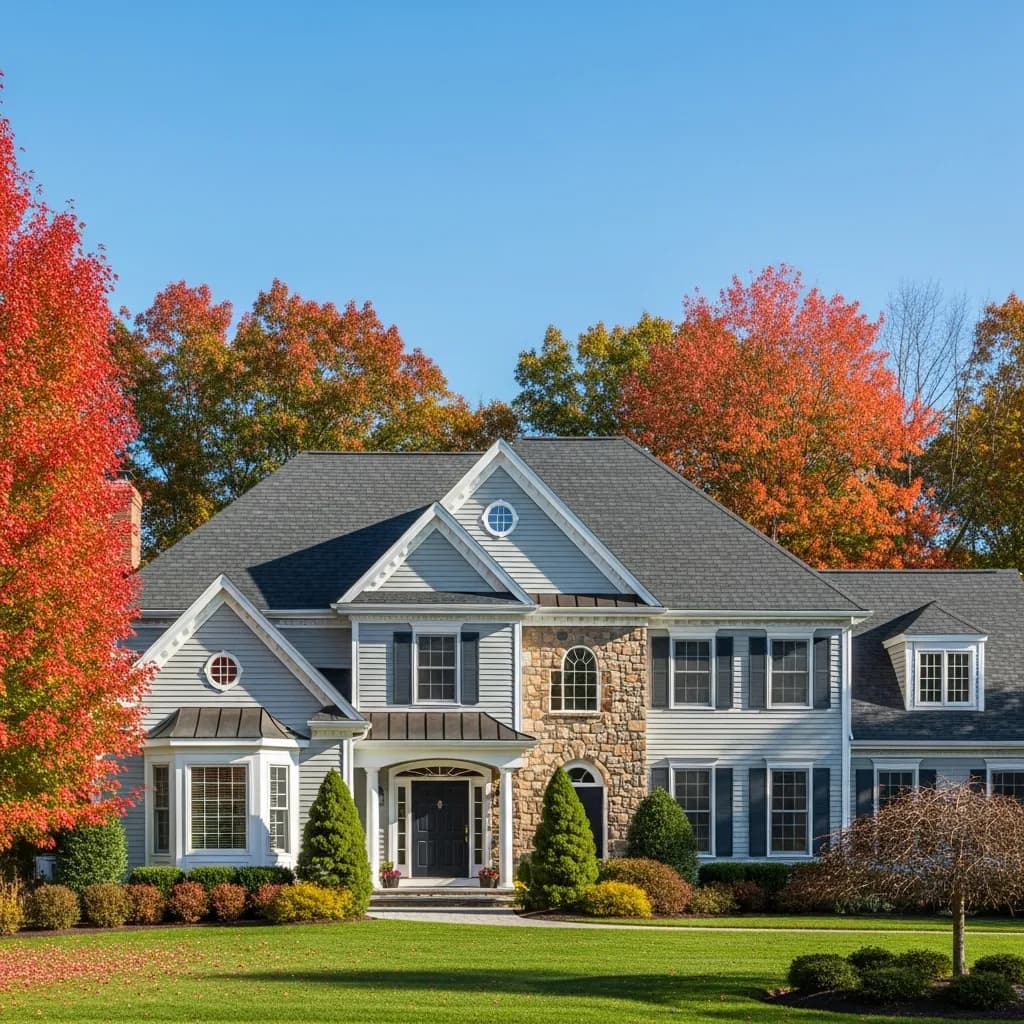
#1: Class A Fire-Rated Architectural Shingles
The most common choice for Oakland homeowners, offering a balance of fire safety, aesthetics, and affordability. Class A fire-rated architectural shingles with algae-resistant granules handle both the flatlands' fog moisture and the hills' fire requirements. They complement Oakland's Craftsman and Victorian architecture with their dimensional profile while meeting strict WUI zone codes when paired with fire-resistant underlayment.
Best For:
Most Oakland homes, Victorian and Craftsman styles
Lifespan:
25-35 years
Cost Range:
$14,000 - $32,000
Fire Rating:
Class A (with proper assembly)
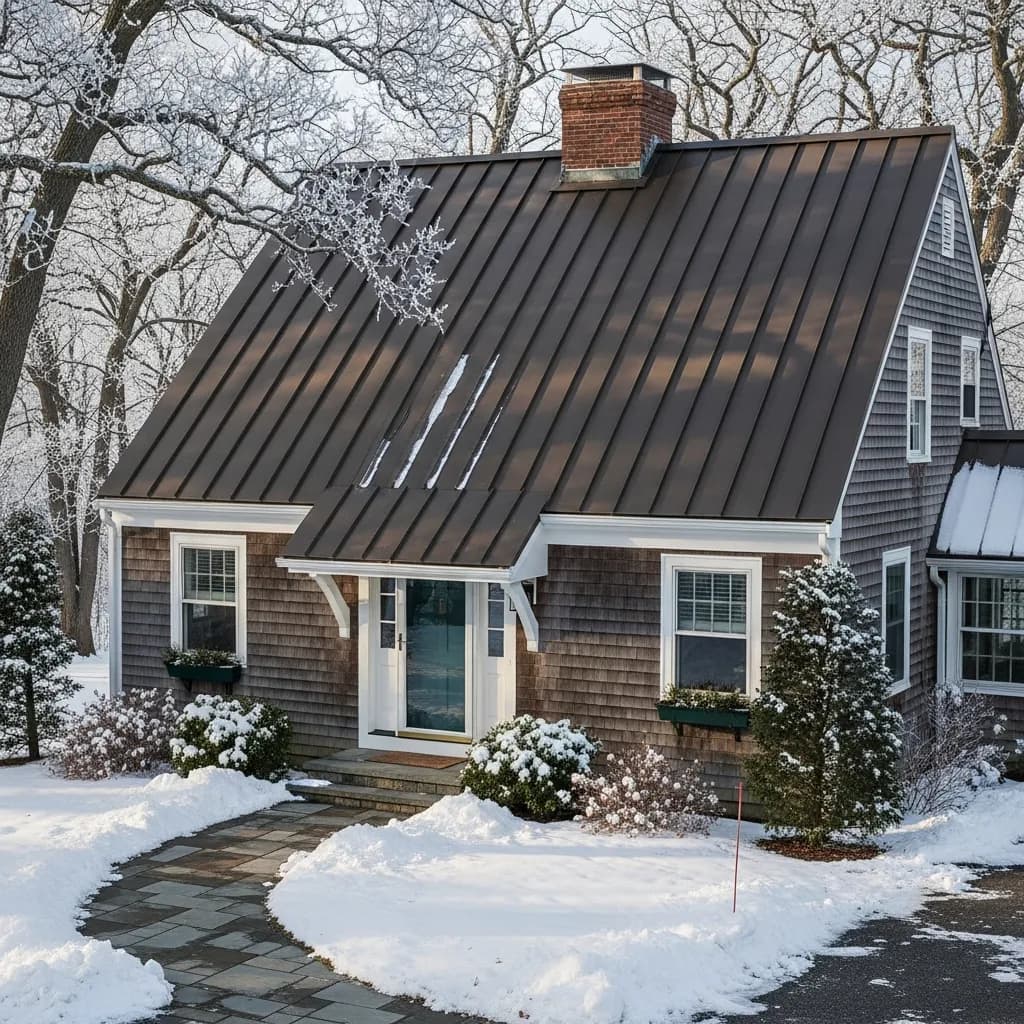
#2: Standing Seam Metal
Increasingly the top choice for Oakland Hills properties. Standing seam metal is naturally Class A fire-rated, lightweight enough to minimize seismic stress on older framing, and resistant to the moisture corrosion common in fog-zone neighborhoods. It pairs perfectly with Oakland's mid-century modern architecture in Montclair and the hills, and its cool-roof coatings exceed Title 24 requirements. Metal is also the most solar-compatible roofing option, allowing clamp-on panel mounting without roof penetrations.
Best For:
Hills homes, modern architecture, solar-ready
Lifespan:
40-70 years
Cost Range:
$22,000 - $50,000
Fire Rating:
Class A (inherent, non-combustible)
Concrete & Clay Tile
#3: Concrete & Clay Tile
Popular on Oakland's Spanish Colonial and Mediterranean-style homes, particularly in the Piedmont border area and upper Rockridge. Tile provides an inherent Class A fire rating and exceptional longevity (50-75 years). However, tile is the heaviest roofing material, requiring seismically engineered roof framing - a critical consideration given Oakland's proximity to the Hayward Fault. Many pre-1940 Oakland homes need structural reinforcement before tile installation, adding $3,000-$8,000 to project costs.
Best For:
Spanish Colonial, Mediterranean styles
Lifespan:
50-75 years
Cost Range:
$30,000 - $65,000
Seismic Note:
Requires engineered framing assessment
Flat Roof / TPO
#4: TPO & Modified Bitumen (Flat Roofs)
Essential for Oakland's many flat-roofed homes and converted warehouse lofts, particularly in West Oakland, Jack London District, and the Temescal commercial corridor. White TPO membrane reflects solar energy and exceeds Title 24 requirements, while modified bitumen provides excellent waterproofing for the Bay's winter rains. Oakland's growing stock of live/work lofts and industrial conversions in the Jingletown and Fruitvale areas frequently uses these materials for their large, flat roof spans.
Best For:
Flat roofs, lofts, warehouse conversions
Lifespan:
20-30 years
Cost Range:
$10,000 - $25,000
Compliance:
Exceeds Title 24 SRI requirements
Oakland Average Roof Cost: Architectural shingles $14,000-$32,000. Metal $22,000-$50,000. Tile $30,000-$65,000. Flat/TPO $10,000-$25,000. Oakland Hills WUI zone properties typically pay 15-30% more than flatland homes due to fire-rated materials and access challenges. Get your exact price with a free instant estimate.
Oakland Building Requirements
Important Local Regulations
Oakland Building Department Permits
All roof replacements within the City of Oakland require permits through the Oakland Planning and Building Department. Permit fees range from $300-$700. Applications can be submitted online through the city's Accela permitting portal. Standard re-roof permits are processed in 1-3 weeks. Properties in the Oakland Hills fire zone, designated historic areas, or with structural modifications may require additional review. Multiple inspections are mandatory, including a final inspection before project sign-off.
WUI Fire Prevention District (Oakland Municipal Code 15.12)
Oakland's Wildland-Urban Interface fire prevention regulations, born from the 1991 Hills fire, are among the strictest in California. All re-roofing in designated WUI zones requires Class A fire-rated assemblies, including fire-resistant underlayment, ember-resistant vents, and non-combustible eave treatments. Property owners must maintain 100 feet of defensible space, and the Oakland Fire Department conducts annual vegetation management inspections. Non-compliance can result in fines and mandatory abatement.
Title 24 Energy Standards
California's Title 24 Building Energy Efficiency Standards apply to all Oakland re-roofing projects. Oakland falls in climate zone 3, which requires cool roofing materials meeting minimum Solar Reflectance Index (SRI) values for both steep-slope and low-slope roofing. Non-compliant materials will fail city inspection. Most modern architectural shingles, all metal roofing with cool-roof coatings, and white TPO membranes meet these requirements.
Seismic Code Compliance
Oakland's proximity to the Hayward Fault means all construction must meet California Building Code seismic requirements. When replacing a roof, contractors must assess whether the existing roof structure can support the new materials under seismic loading. Switching from lightweight shingles to heavy tile may trigger a structural engineering review. This is particularly important for Oakland's many pre-1940 wood-frame homes that were built before modern seismic codes.
California Contractor Licensing (CSLB)
California requires all roofing contractors to hold a valid C-39 Roofing Contractor License from the Contractors State License Board (CSLB). Verify any contractor at cslb.ca.gov. Licensed contractors must carry workers' compensation insurance and a minimum $25,000 contractor bond. All contractors on the RoofVista platform are CSLB-verified with active C-39 licenses.
Oakland Neighborhoods We Serve
From the waterfront lofts of Jack London Square to the hillside estates above Montclair, our pre-vetted contractors serve every Oakland neighborhood. Each area has distinct roofing requirements based on its elevation, fire zone designation, architecture, and microclimate.
Rockridge & Upper Rockridge
- - Craftsman bungalows and Tudor homes
- - Transition zone: fog below, fire risk above
- - Upper Rockridge in WUI fire zone
- - Period-appropriate material considerations
- - Tree canopy creates debris accumulation
Temescal & North Oakland
- - Craftsman and Victorian mix
- - Flatland fog moisture exposure
- - Algae-resistant materials essential
- - Dense housing with party-wall concerns
- - Active commercial corridor proximity
Montclair & Oakland Hills
- - WUI fire zone with strictest codes
- - Site of 1991 Hills firestorm
- - Steep hillside access challenges
- - Mid-century modern and rebuilt homes
- - Class A fire-rated materials required
Piedmont Border & Grand Lake
- - Spanish Colonial and Tudor architecture
- - Grand Lake's tree-lined residential streets
- - Proximity to Piedmont's strict standards
- - Tile and slate preservation important
- - Mix of elevation zones
Lake Merritt & Adams Point
- - Historic apartment buildings
- - Art Deco and early 20th century homes
- - Flatland fog and lake-effect moisture
- - Mixed residential and commercial roofing
- - Dense urban access considerations
Fruitvale & Jingletown
- - Diverse housing from cottages to lofts
- - Industrial/live-work conversions
- - Flat roof systems for warehouse buildings
- - Affordable price range neighborhood
- - Bay moisture and salt air exposure
West Oakland
- - Victorian cottages and row houses
- - Significant fog and Bay moisture
- - Historic preservation considerations
- - Complex rooflines with decorative elements
- - Some of Oakland's oldest housing stock
Jack London District
- - Waterfront warehouse conversions
- - Large-span flat roof systems
- - Commercial and residential mixed-use
- - Bay waterfront salt and moisture
- - TPO and modified bitumen common
Claremont & Elmwood
- - Berkeley border neighborhood
- - Upscale Craftsman and Tudor homes
- - Partial WUI zone coverage
- - Mature tree canopy overhead
- - Both fire and moisture challenges
Insurance Considerations for Oakland Homeowners
Dual-Threat Insurance Landscape: Fire + Earthquake
Oakland homeowners face a uniquely challenging insurance environment. Wildfire risk in the hills and seismic risk from the Hayward Fault create a dual-threat landscape that has led several major insurers to restrict coverage. Understanding how your roof affects both fire and earthquake insurance is essential to protecting your home and your investment.
Wildfire Insurance (Oakland Hills)
- - Major insurers restricting new policies in WUI zones
- - California FAIR Plan enrollment rising in hills ZIP codes
- - Premiums in fire zones up 30-80% over the past 3 years
- - Class A fire-rated roofing essential for policy eligibility
- - Defensible space compliance documented for underwriting
Earthquake Insurance (Citywide)
- - CEA (California Earthquake Authority) policies separate from homeowners
- - Lightweight roofing materials may qualify for lower earthquake premiums
- - Seismically reinforced roof structures reduce earthquake damage risk
- - Pre-1940 homes (soft-story) face highest earthquake insurance costs
- - Combining roof replacement with seismic retrofitting saves long-term
Our pre-vetted contractors understand Oakland's dual insurance requirements and can recommend materials and installations that maximize your insurability for both fire and earthquake coverage.
Frequently Asked Questions About Oakland Roofing
How much does a roof replacement cost in Oakland, CA?
Roof replacement in Oakland typically costs between $14,000 and $32,000 for Class A fire-rated architectural shingles on a standard home. Standing seam metal roofing, increasingly popular in the Oakland Hills, ranges from $22,000 to $50,000. Concrete and clay tile installations run $30,000 to $65,000, though many pre-1940 Oakland homes require $3,000-$8,000 in structural reinforcement before tile can be safely installed due to seismic requirements. Oakland's costs are driven by Bay Area labor rates ($80-$115/hour, among the highest in the country), Oakland Building Department permit fees ($300-$700), and the specialized expertise required for the city's diverse architecture. Properties in the Oakland Hills WUI fire zone typically pay 15-30% more than flatland homes due to Class A fire-rated material requirements, ember-resistant vent installations, fire-resistant underlayment, and the logistical premium of working on steep hillside properties with limited vehicle access.
What are the fire zone roofing requirements in Oakland?
Oakland's fire zone requirements are rooted in the devastating 1991 Oakland Hills firestorm, which destroyed 3,334 single-family homes, 456 apartments, and killed 25 people. In response, Oakland established the Wildland-Urban Interface (WUI) fire prevention district under Oakland Municipal Code Chapter 15.12. All re-roofing in WUI zones requires Class A fire-rated assemblies - the highest fire resistance rating available. This includes fire-resistant underlayment (ASTM E108 compliant), ember-resistant roof vents that prevent ember intrusion during wildfire events, non-combustible eave and fascia materials, and sealed roof edges. Property owners must maintain 100 feet of defensible space, with the first 30 feet being a lean, clean, and green zone with no dead vegetation. The Oakland Fire Department conducts annual inspections of hillside properties and can issue citations and mandatory abatement orders for non-compliance. You can check your property's WUI zone designation through the Oakland Fire Department or the city's GIS mapping system.
What permits do I need for roof replacement in Oakland?
All roof replacements in Oakland require a building permit through the Oakland Planning and Building Department. Permit fees range from $300 to $700 depending on project scope and valuation. Applications can be submitted online through the city's Accela permitting portal, and standard re-roof permits are typically processed in 1-3 weeks. Properties in WUI fire zones require additional fire department review, which can add 1-2 weeks. Properties in designated historic areas may require design review approval. Multiple inspections are mandatory: contractors must schedule inspections at key stages, and a final inspection is required before the project receives sign-off. Failing to obtain permits can result in fines, complications when selling the property, and potential insurance claim denials. Our pre-vetted contractors handle the entire Oakland permitting process on your behalf, ensuring full compliance with city and state requirements.
What roofing materials are best for Oakland's climate?
Oakland's climate creates a dual challenge that makes material selection highly neighborhood-dependent. In the flatland neighborhoods below the fog line (West Oakland, Temescal, Fruitvale, Lake Merritt), persistent marine moisture drives moss growth, algae staining, and premature wood rot. Algae-resistant architectural shingles with copper or zinc granules are essential here, along with enhanced ridge and soffit ventilation and synthetic underlayment that resists moisture better than traditional felt. In the Oakland Hills above the fog line, the primary challenge is wildfire risk. Class A fire-rated materials are mandatory: standing seam metal provides the best combination of fire resistance, seismic lightweight-ness, and longevity (40-70 years). Concrete tile is excellent for Spanish Colonial and Mediterranean-style homes but requires structural assessment for seismic loading. All materials must meet California Title 24 cool roof requirements for Oakland's climate zone 3, including minimum Solar Reflectance Index (SRI) values.
How does the 1991 Oakland Hills fire affect roofing requirements today?
The 1991 Oakland Hills firestorm is the single most important event in Oakland's roofing history. On October 20, 1991, a small brush fire reignited in the hills above the Caldecott Tunnel, driven by hot Diablo winds. Within hours, it destroyed 3,334 single-family homes and 456 apartments across 1,520 acres, killing 25 people and causing $1.5 billion in damage (over $3 billion in today's dollars). The fire's devastating speed was partly attributable to the prevalence of wood shake roofs, which allowed embers to ignite homes far ahead of the fire front. In direct response, Oakland banned wood shake and shingle roofs in hillside areas, established the WUI fire prevention district, mandated Class A fire-rated roofing assemblies, required ember-resistant vents and non-combustible eave materials, implemented defensible space requirements, and created annual fire inspection programs. Homes rebuilt after the fire were built to these stricter standards, but pre-fire homes being re-roofed today must also meet current WUI codes - there is no grandfathering of older standards.
Do Oakland roofs need seismic reinforcement?
Oakland sits adjacent to the Hayward Fault, which the USGS calls one of the most dangerous earthquake faults in the United States, with a 33% probability of a magnitude 6.7+ earthquake within the next 30 years. While roofing materials themselves don't require seismic certification, the roof structure must meet California Building Code seismic requirements. Heavy materials like concrete and clay tile (weighing 9-12 pounds per square foot, compared to 2-4 pounds for shingles) require engineered roof framing verified to handle seismic loads. During a re-roof, contractors frequently discover structural deficiencies - sagging rafters, inadequate bracing, or deteriorated connections - that must be addressed before new materials go on. For Oakland's many pre-1940 homes, switching from shingles to tile typically requires a structural engineering assessment ($500-$1,500) and may require framing reinforcement ($3,000-$8,000). Lightweight options like architectural shingles and standing seam metal impose significantly less seismic stress, making them pragmatic choices for older Oakland homes.
What insurance challenges do Oakland homeowners face for roofing?
Oakland homeowners face a uniquely challenging dual-threat insurance landscape. For wildfire: several major insurers have reduced coverage in California fire zones, including Oakland Hills WUI areas. The California FAIR Plan (the state's insurer of last resort) has seen enrollment increase in hillside ZIP codes. Premiums in Oakland's fire zones have risen 30-80% over the past three years where private coverage is still available. For earthquakes: standard homeowner's insurance does not cover earthquake damage. The California Earthquake Authority (CEA) provides separate earthquake policies, but premiums for Oakland's pre-1940 housing stock (particularly soft-story structures) can be substantial. Upgrading to Class A fire-rated roofing, installing ember-resistant vents, and maintaining documented defensible space can improve fire insurability and may reduce premiums. Choosing lightweight roofing materials and combining roof replacement with seismic retrofitting (foundation bolting, cripple wall bracing) can reduce earthquake risk and may qualify for CEA premium discounts.
How does Bay Area fog affect Oakland roofs?
San Francisco Bay's marine layer creates a fog pattern that significantly impacts Oakland's flatland neighborhoods. During summer months, fog rolls in through the Golden Gate and across the Bay, keeping roofs in West Oakland, Temescal, Fruitvale, and the Lake Merritt area damp for several hours each morning. This persistent moisture creates ideal conditions for biological growth: moss colonizes north-facing slopes, algae (Gloeocapsa magma) creates dark staining that absorbs heat and accelerates shingle degradation, and organic debris accumulates in valleys and gutters. Over time, chronic moisture penetrates standard felt underlayment, causing wood rot in the roof decking beneath - a problem exacerbated by Oakland's many older homes with inadequate ventilation. The solution is a combination approach: algae-resistant shingles with copper or zinc granules that inhibit biological growth, synthetic underlayment that resists moisture penetration better than traditional felt, enhanced ridge and soffit ventilation to dry the roof deck, and a regular maintenance schedule for moss removal and gutter cleaning. Notably, the Oakland Hills above the fog line face the opposite problem - intense sun and wind exposure with fire risk - making Oakland a city where roofing solutions must be tailored to the specific neighborhood.
California Roofing Resources
California State Overview
All California roofing resources and city pages
California Roof Replacement Cost Guide
Detailed pricing for all CA regions and materials
Best Roofing Materials for California
Climate-specific material recommendations
Wildfire-Resistant Roofing in California
Fire zone requirements and material recommendations
California Roofing Building Codes
Title 24, fire codes, and local requirements
California Contractor Licensing
C-39 license requirements and CSLB verification
Get Your Oakland Roof Quote in Minutes
Enter your address to compare instant quotes from pre-vetted California contractors who specialize in Oakland's WUI fire zones, seismic-ready installations, and the East Bay's unique fog-and-fire climate