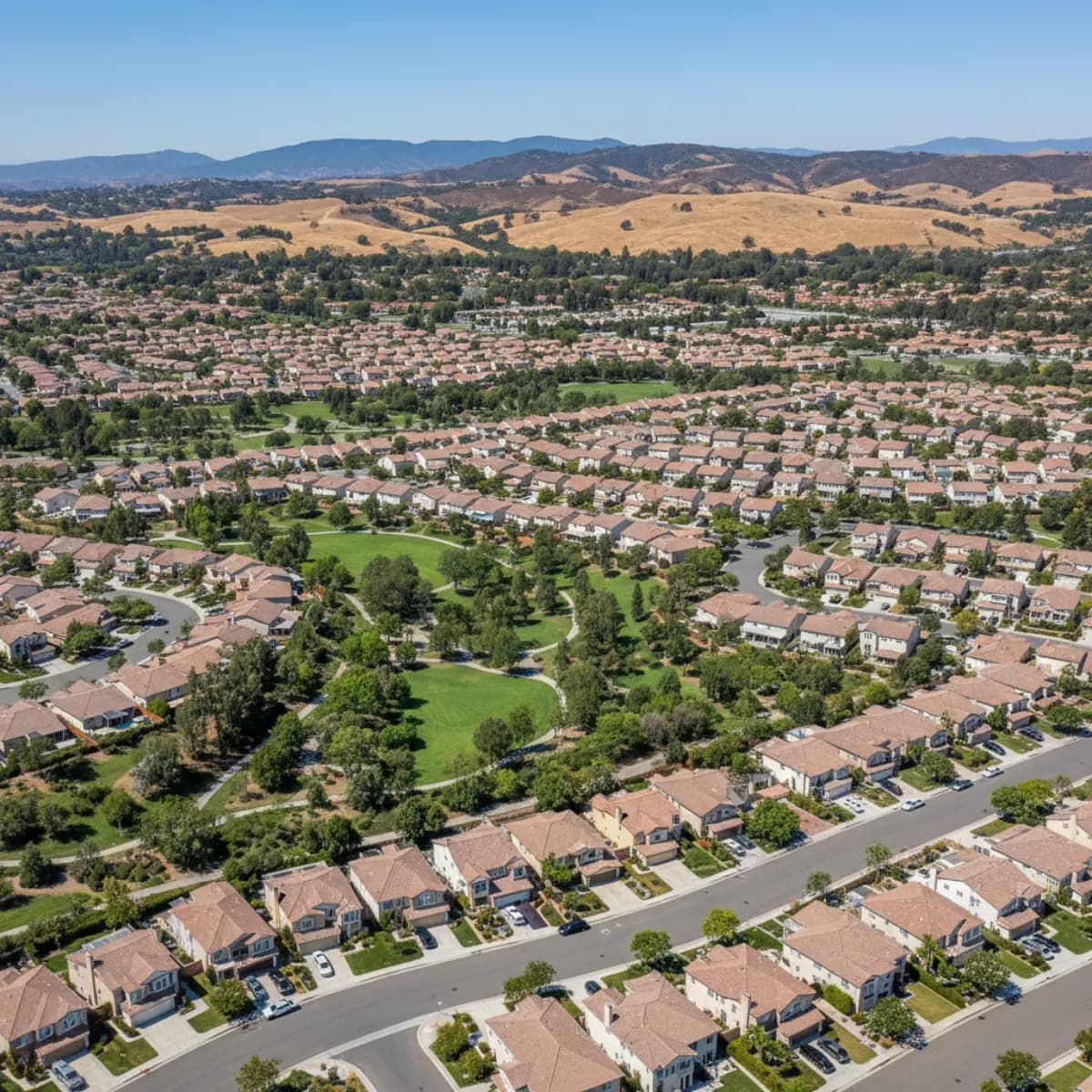
Orange County's Premier Planned City
Instant Roof Replacement Quotes in Irvine, CA
Irvine's master-planned communities demand roofing that passes strict HOA architectural review while handling Santa Ana winds, intense UV, and wildfire exposure along the eastern foothills. Get instant quotes from pre-vetted Orange County contractors who specialize in HOA-compliant concrete tile, Title 24 cool roofs, and fire-rated assemblies for Woodbridge, Turtle Rock, Northwood, and every Irvine neighborhood.
Free Quotes
no obligations ever
Contractor Bids
standardized scope comparison
Until You Choose
no spam, no lead resale
CA Contractors
licensed, insured, reviewed
Irvine at a Glance
Population
Orange County's largest planned city
Sunny Days / Year
Year-round UV exposure
HOA Coverage
Homes governed by HOA rules
Permit Cost
City of Irvine re-roof permits
Fire Rating
Required in hillside zones
Cool Roof Compliance
Climate zone 8 requirements
Roofing in America's Premier Master-Planned City
Irvine is unique among American cities. Developed primarily by the Irvine Company from former ranch land, virtually every neighborhood in the city was master-planned with cohesive architectural standards enforced through homeowner associations. This means roofing decisions in Irvine are never made in isolation. Every material choice, color selection, and tile profile must align with your community's established aesthetic guidelines, making the replacement process more complex than in less regulated cities.
With a population exceeding 307,000 residents, Irvine spans neighborhoods built from the 1970s through today. Older communities like Woodbridge and University Park feature aging concrete tile roofs that are reaching the end of their 40-50 year lifespan, creating a wave of replacement demand across the city. Newer developments around the Great Park and in Portola Springs present different challenges, with tighter lot spacing and specific modern material requirements.
Orange County's premium market means Irvine homeowners pay more than the national average for roofing work. Labor rates range from $75 to $110 per hour, and the added complexity of HOA compliance, Title 24 energy standards, and potential wildfire zone requirements means choosing the right contractor is critical. RoofVista's marketplace connects you with pre-vetted contractors who already understand Irvine's unique regulatory landscape.
Roofing Challenges Unique to Irvine
Irvine's Mediterranean climate brings hot, dry summers, mild winters, and Santa Ana wind events that test every roofing system. Combined with strict HOA oversight and California's aggressive building energy standards, Irvine roofs must perform on multiple fronts simultaneously.
! HOA Architectural Review
Irvine's HOAs are among the strictest in the country. The Irvine Company's original master plans established detailed architectural guidelines that most communities still enforce through Architectural Review Committees (ARCs). Replacing your roof without HOA approval can result in fines, forced removal, or legal action. The review process can add weeks to your project timeline but protects property values across the community.
- - Material, color, and profile must match community standards
- - Written ARC approval required before work begins
- - Sample tiles or swatches often required for review
- - Approval timelines vary: 2-6 weeks depending on community
~ Santa Ana Winds
Hot, dry Santa Ana winds funnel through the Santiago Canyon corridor east of Irvine, reaching speeds of 40-70 mph with gusts exceeding 90 mph in exposed hillside communities. These winds can lift improperly secured concrete tiles weighing 10 pounds each, strip shingle tabs, and carry wildfire embers deep into neighborhoods. Eastern communities like Turtle Rock and Shady Canyon experience the most severe exposure.
- - Wind-rated installation essential (110+ mph)
- - Tile clips and foam adhesive for concrete tiles
- - Enhanced nail patterns on shingle roofs
- - Sealed ridge caps and roof edges to prevent uplift
= Intense Heat & UV Degradation
With 280+ sunny days per year and summer temperatures routinely hitting 90-100 degrees F in inland Irvine, roofing materials endure relentless UV bombardment. Roof surface temperatures can reach 150-170 degrees F on summer afternoons. This accelerates granule loss on shingles, fades tile colors, and degrades underlayment. California's Title 24 energy standards require cool roof materials that reflect solar energy and reduce heat transfer into the home.
- - Title 24 cool roof compliance mandatory (climate zone 8)
- - High Solar Reflectance Index (SRI) materials required
- - Concrete tile provides natural thermal mass
- - Cool-rated shingle granules exceed minimum SRI
! Eastern Hillside Wildfire Risk
Irvine's eastern edge borders the Irvine Ranch Open Space Preserve and the Santa Ana Mountains foothills, placing communities like Turtle Rock, Shady Canyon, Quail Hill, and parts of Portola Springs in or adjacent to CAL FIRE-designated Fire Hazard Severity Zones. The 2007 Santiago Fire burned to the edge of Irvine neighborhoods, demonstrating the real threat. Santa Ana winds amplify fire risk by driving flames and embers from the wildland-urban interface into developed areas.
- - Class A fire-rated roofing assemblies required
- - Ember-resistant roof vents mandatory in fire zones
- - Fire-resistant underlayment beneath roofing material
- - Non-combustible materials preferred by insurers
Irvine Roof Replacement Cost by Material
Irvine roofing costs reflect Orange County's premium market with labor rates of $75-$110 per hour, city permitting fees of $250-$600, HOA-mandated materials that may carry premium pricing, and mandatory Title 24 energy compliance. The additional complexity of HOA architectural review and specific material matching adds to both cost and timeline compared to unregulated markets.
Concrete Tile
#1: Concrete Tile
The defining roofing material of Irvine. Concrete tile appears on the vast majority of homes in established communities, from the flat-profile tiles of Woodbridge to the barrel-shaped tiles of Turtle Rock estates. Concrete tile provides exceptional durability (40-50 years), natural heat resistance through thermal mass, inherent Class A fire rating, and the aesthetic consistency that Irvine's HOAs demand. When replacing, you must typically match the existing tile profile, color, and manufacturer specification approved by your community's ARC.
Best For:
Most Irvine planned communities
Lifespan:
40-50 years
Cost Range:
$30,000 - $65,000
Fire Rating:
Class A (non-combustible)
#2: Cool-Rated Architectural Shingles
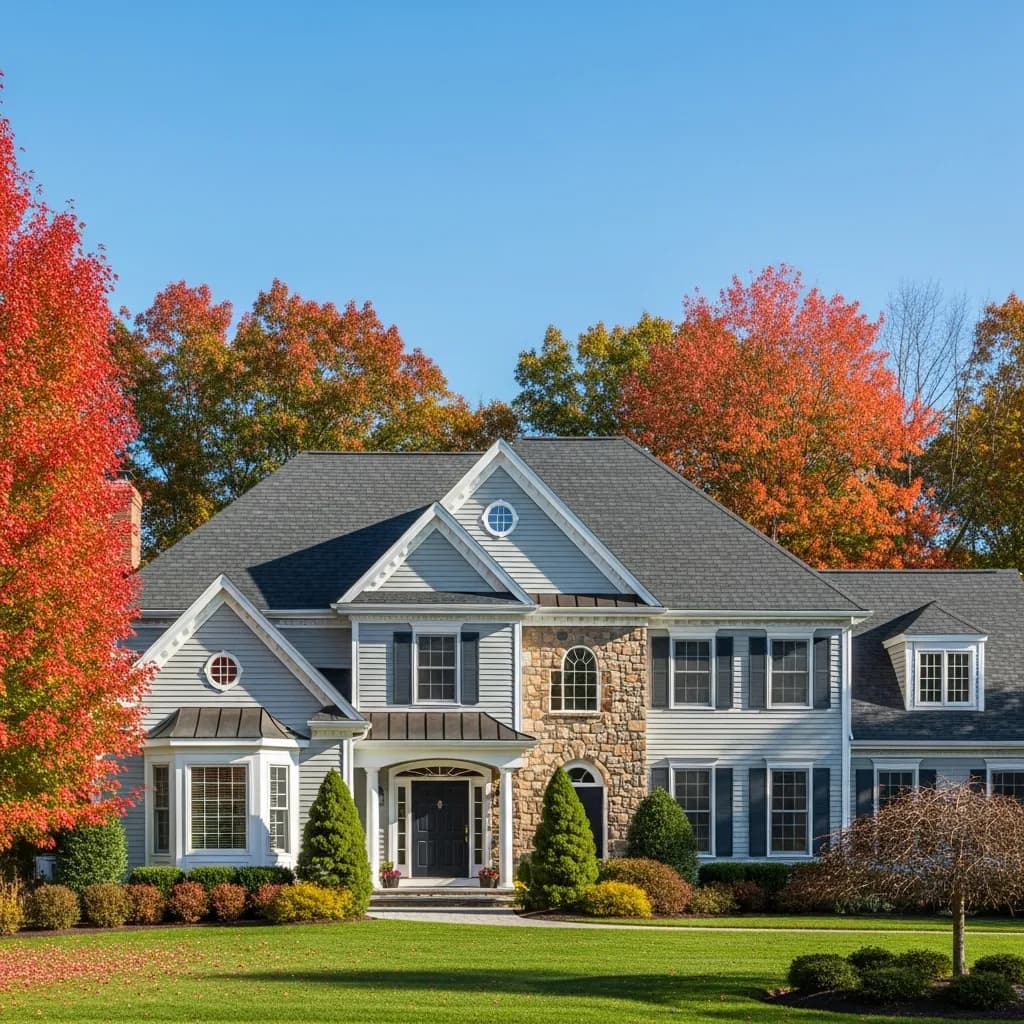
The most affordable option for Irvine homeowners, particularly common in newer communities built after 2010 around the Great Park and in Portola Springs. Title 24 requires cool-rated shingles in Irvine's climate zone 8, featuring reflective granules that meet minimum SRI requirements. While shingles have a shorter lifespan than tile (25-30 years in Irvine's UV-intense climate), they offer significant cost savings and are approved by many newer-community HOAs. Color selection must still match HOA-approved palettes.
Best For:
Newer communities, budget-conscious homeowners
Lifespan:
25-30 years (Irvine climate)
Cost Range:
$18,000 - $38,000
Requirement:
Must be Title 24 cool-rated
#3: Standing Seam Metal
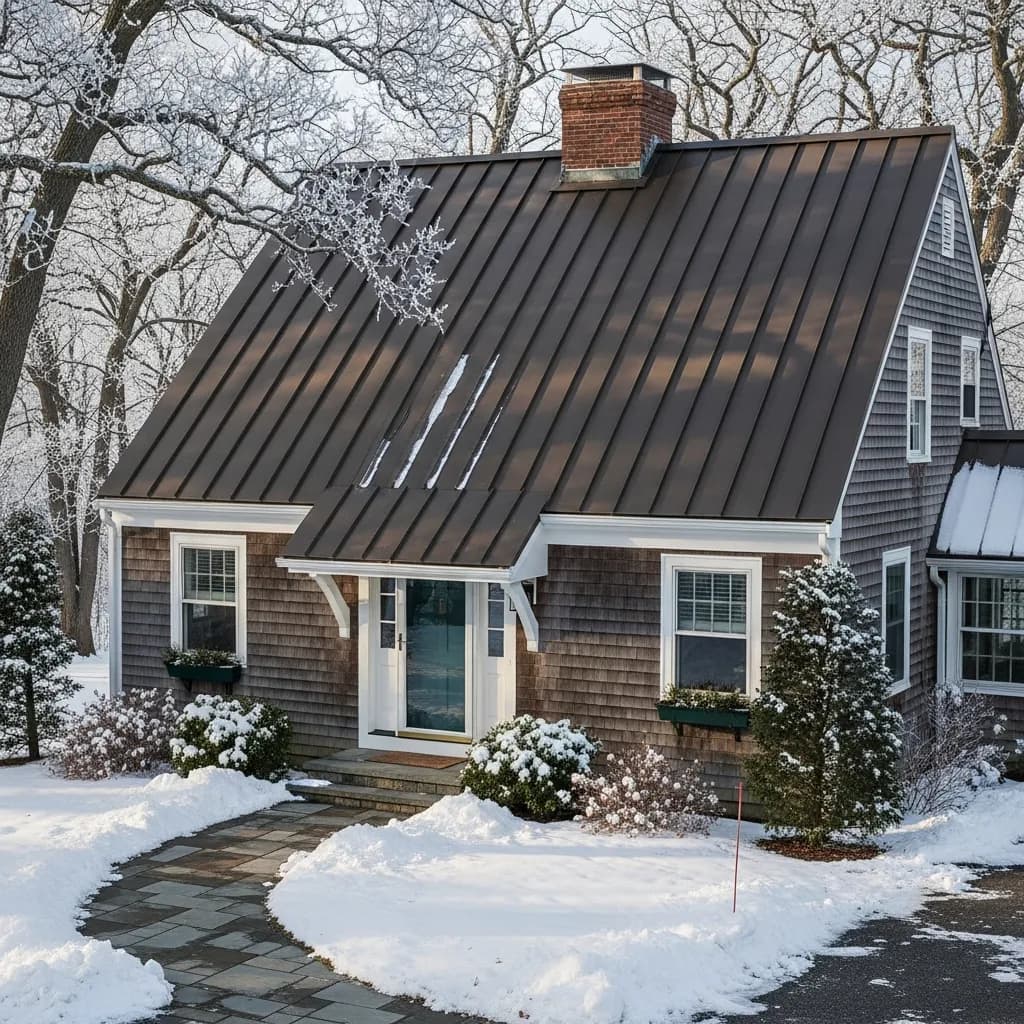
Gaining popularity in Irvine's contemporary and modern-design communities, standing seam metal roofing offers superior heat reflection, exceptional wind resistance (rated to 140+ mph), and unmatched solar panel compatibility. Metal with cool-roof coatings can reflect up to 70% of solar energy, dramatically reducing cooling costs in Irvine's hot summers. While not approved in all traditional Irvine HOA communities, metal is increasingly accepted in newer developments with modern architectural styles. Its 40-70 year lifespan makes it a strong long-term investment.
Best For:
Modern homes, solar-ready roofs
Lifespan:
40-70 years
Cost Range:
$28,000 - $58,000
Energy Savings:
10-25% cooling reduction
Clay Tile
#4: Clay Tile
Premium clay tile is specified by several upscale Irvine communities, particularly in Shady Canyon, Turtle Rock, and select sections of Northwood Pointe. Clay tile offers the longest lifespan of any roofing material (50-75+ years), naturally reflects heat, achieves Class A fire rating, and develops an attractive patina over time. Its weight (900-1,100 lbs per square) requires confirmed structural adequacy. Clay tile is the most expensive option but is often the only material approved by high-end community HOAs.
Best For:
Luxury communities, Spanish/Mediterranean homes
Lifespan:
50-75+ years
Cost Range:
$40,000 - $80,000
Fire Rating:
Class A (non-combustible)
Irvine Average Roof Cost: Architectural shingles $18,000-$38,000. Concrete tile $30,000-$65,000. Standing seam metal $28,000-$58,000. Clay tile $40,000-$80,000. Orange County costs run 20-35% above the national average due to premium labor rates and HOA compliance requirements. Get your exact price with a free instant estimate.
Navigating Irvine's HOA Roofing Requirements
What Every Irvine Homeowner Needs to Know
Irvine's HOA landscape is among the most comprehensive in the United States. The Irvine Company developed neighborhoods with specific architectural visions, and HOAs were established to maintain those standards in perpetuity. Understanding your community's requirements before starting a roofing project can save you weeks of delays and thousands of dollars in potential rework.
Typical HOA Requirements
- - Specific tile profile (flat, S-shaped, barrel, or shake)
- - Approved color palette (usually earth tones)
- - Manufacturer and product line specifications
- - Written ARC application with material samples
- - Contractor insurance and license documentation
- - Work schedule approval (restricted hours in most communities)
HOA Approval Process
- - Request your community's architectural guidelines first
- - Submit ARC application with material and color samples
- - Allow 2-6 weeks for committee review and approval
- - Do not order materials or begin work before written approval
- - Provide neighbor notification as required by CC&Rs
- - Schedule final HOA inspection upon project completion
Our pre-vetted contractors are experienced with Irvine's major HOA communities and can assist with the ARC application process, recommend HOA-approved materials, and ensure installations meet both city and community standards.
Irvine Building Requirements & Regulations
Important Local Regulations
City of Irvine Permits
All roof replacements require permits through the City of Irvine Community Development Department. Permit fees range from $250-$600 depending on project scope. Applications are submitted through the city's online portal. Standard re-roof permits are processed in 1-3 weeks. Inspections are required at key stages including final completion. Unlike-for-unlike material changes (e.g., switching from shingles to tile) may require additional structural review.
Title 24 Energy Standards
California's Title 24 Building Energy Efficiency Standards mandate cool roofing materials in Irvine's climate zone 8. Steep-slope roofing must meet minimum Solar Reflectance Index (SRI) values, and low-slope roofs have stricter requirements. All re-roofing projects must demonstrate Title 24 compliance. Non-compliant materials will fail city inspection regardless of HOA approval.
California Solar Mandate
Under the 2022 Title 24 update, new residential construction in California must include solar photovoltaic systems. While re-roofing alone does not trigger the solar mandate, the City of Irvine encourages solar-ready installations. California's Solar Rights Act (Civil Code 714) prevents HOAs from unreasonably restricting solar panel installation, though placement and aesthetics may still be regulated by your community's ARC.
Fire Hazard Zones
Properties in eastern Irvine adjacent to the open space preserves and foothills may fall within CAL FIRE-designated Fire Hazard Severity Zones. Homes in these areas must comply with California Building Code Chapter 7A requirements including Class A fire-rated roof assemblies, ember-resistant vents, and fire-resistant underlayment. Check your property's fire zone designation through the Orange County Fire Authority (OCFA) or CAL FIRE's FHSZ maps.
California Contractor Licensing
California requires all roofing contractors to hold a valid C-39 Roofing Contractor License from the Contractors State License Board (CSLB). Verify any contractor at cslb.ca.gov. Licensed contractors must carry workers' compensation insurance and a minimum $25,000 contractor bond. Every contractor in the RoofVista marketplace is verified for active C-39 licensing and proper insurance coverage.
Irvine Neighborhoods We Serve
From the lakeside homes of Woodbridge to the hillside estates of Shady Canyon and the new construction around the Great Park, our pre-vetted contractors serve every Irvine community. Each neighborhood has specific HOA requirements, architectural styles, and roofing considerations based on its era of construction and proximity to wildfire zones.
Woodbridge
- - Irvine's iconic lakeside community
- - Built 1975-1985, aging concrete tile roofs
- - Woodbridge Village Association oversight
- - Flat and low-profile tile dominant
- - Many homes approaching first tile replacement
Turtle Rock
- - Hillside community near UCI
- - Adjacent to open space preserves
- - Wildfire risk zone with enhanced requirements
- - Larger homes with complex roof planes
- - Santa Ana wind exposure on higher elevations
Northwood & Northwood Pointe
- - Built 1980s-1990s, established community
- - Mix of concrete tile and shingle roofs
- - Northwood Pointe has stricter HOA standards
- - Eastern sections near Santiago Canyon
- - Well-maintained streetscapes with cohesive roofing
University Park
- - Adjacent to UC Irvine campus
- - Built 1970s-1980s, original concrete tile aging
- - Mediterranean and ranch-style architecture
- - Active HOA with detailed guidelines
- - Strong rental market influencing maintenance
Portola Springs
- - Newer construction (2010s-present)
- - Modern Mediterranean and contemporary styles
- - Mix of tile and architectural shingles
- - Eastern location near foothills
- - Some sections in fire hazard zones
Quail Hill
- - Elevated community with panoramic views
- - Built 2000s, concrete tile predominant
- - Adjacent to Bommer Canyon open space
- - Fire hazard zone considerations
- - Strict community HOA standards
Shady Canyon
- - Irvine's most exclusive gated community
- - Custom estates with premium clay tile
- - Surrounded by natural open space
- - Highest wildfire risk in Irvine
- - Extensive ARC review with custom requirements
Great Park Neighborhoods
- - Irvine's newest development area
- - Built 2014-present on former MCAS El Toro
- - Modern architectural styles and materials
- - Multiple builders with varying HOA standards
- - UCI housing boom driving rapid development
Westpark & Oak Creek
- - Central Irvine communities
- - Built 1980s-2000s with varied architecture
- - Concrete tile and some shingle roofs
- - Well-established HOA management
- - Lower wildfire risk than eastern communities
Insurance Considerations for Irvine Homeowners
Irvine's Insurance Landscape
While Irvine is generally considered lower risk than hillside communities in Los Angeles or the Santa Barbara foothills, the broader California insurance crisis affects Irvine homeowners significantly. Eastern hillside communities face particular challenges as insurers reassess wildfire risk across Southern California. Understanding how your roof condition and material choices affect your insurance options is increasingly important.
Current Challenges
- - Major insurers reducing new policies in California wildfire zones
- - Eastern hillside communities may face higher premiums
- - Aging roofs (20+ years) may trigger non-renewal notices
- - FAIR Plan enrollment increasing statewide
- - Orange County premiums rising 15-40% annually
How Your Roof Can Help
- - New Class A fire-rated roof improves insurability
- - Non-combustible materials (tile, metal) preferred by insurers
- - Ember-resistant upgrades may qualify for premium reductions
- - Roof age under 15 years is a common insurer requirement
- - Document all upgrades for insurance applications and renewals
Our pre-vetted contractors understand Orange County's insurance requirements and can recommend materials and installations that maximize your insurability and may help reduce premiums.
UCI Area Growth & Roofing Demand
The University of California, Irvine has driven substantial housing development across central and southern Irvine. The Great Park Neighborhoods, built on the former Marine Corps Air Station El Toro, represent one of the largest residential developments in Orange County history. This rapid growth has created a unique roofing landscape where brand-new homes sit alongside communities with 40-50 year old roofs reaching end of life.
Communities surrounding UCI, including University Park, University Hills, and the newer Great Park developments, are experiencing a convergence of factors: established homes from the 1970s and 1980s need their first roof replacement, while newer construction establishes different material and design standards that influence surrounding neighborhoods. The influx of tech industry workers and international buyers has increased property values, making quality roofing an even more important investment for protecting home equity.
Whether you own a 1975 University Park ranch home with original concrete tile or a 2020 Great Park contemporary with architectural shingles, RoofVista connects you with pre-vetted contractors who understand both legacy construction methods and modern building requirements specific to the Irvine market.
Frequently Asked Questions About Irvine Roofing
How much does a roof replacement cost in Irvine, CA?
Roof replacement in Irvine typically costs between $18,000 and $38,000 for cool-rated architectural shingles on a standard home. Concrete tile, by far the most common material in Irvine's planned communities, ranges from $30,000 to $65,000 depending on tile profile, home size, and roof complexity. Clay tile for premium communities like Shady Canyon and Turtle Rock runs $40,000-$80,000. Standing seam metal ranges $28,000-$58,000. Irvine's costs are driven by Orange County's premium labor rates ($75-$110/hour), city permitting fees ($250-$600), HOA-mandated materials that may carry premium pricing, and mandatory Title 24 energy code compliance. Homes in eastern hillside communities within fire hazard zones requiring Class A fire-rated assemblies with ember-resistant features will pay an additional 10-20% premium. The HOA architectural review process can also add indirect costs through material matching requirements and extended project timelines.
Do I need HOA approval for a roof replacement in Irvine?
Almost certainly yes. Irvine is one of the most HOA-regulated cities in the United States, with the vast majority of residential properties governed by homeowner associations established when the Irvine Company developed each community. Most Irvine HOAs mandate specific roofing materials, colors, tile profiles, and sometimes even manufacturers and product lines that match the neighborhood's original architectural design. You must submit an application to your community's Architectural Review Committee (ARC) before ordering materials or beginning work. The application typically requires material samples, color swatches, contractor documentation (license and insurance), and a project description. Approval timelines vary from 2-6 weeks depending on the community. Starting work without written approval can result in fines, stop-work orders, and being required to remove non-compliant materials at your own expense. Our pre-vetted contractors are experienced with Irvine's major HOA communities and can assist with the ARC application process.
What roofing materials are most common in Irvine neighborhoods?
Concrete tile is the dominant roofing material across Irvine, appearing on roughly 70% of homes in established planned communities. The tile profiles vary by neighborhood: flat profile tiles are common in communities built in the 1980s, S-shaped tiles appear in Mediterranean-influenced neighborhoods, and barrel tiles grace Spanish Colonial-style homes in communities like Turtle Rock and Shady Canyon. Architectural shingles are the second most common material, particularly in newer communities built after 2010 around the Great Park and in later phases of Portola Springs. Standing seam metal is gaining popularity in modern and contemporary-design communities but is not yet approved by many traditional Irvine HOAs. Premium clay tile is specified in luxury communities like Shady Canyon. All materials installed in Irvine must meet California Title 24 cool roof standards for climate zone 8 and pass HOA architectural review. When replacing an existing roof, most HOAs require like-for-like material and color matching unless a community-wide change has been approved.
What is the permit process for roof replacement in Irvine?
Roof replacements in Irvine require permits through the City of Irvine Community Development Department. Permit fees typically range from $250 to $600 depending on project scope. Applications can be submitted through the city's online portal, and standard re-roof permits are processed in 1-3 weeks. Inspections are required at key stages including final completion. Unlike-for-unlike material changes (such as switching from shingles to tile or vice versa) may trigger additional structural review to ensure the building can support different material weights. Properties in eastern hillside fire hazard zones require additional fire-resistance documentation. Importantly, most Irvine HOAs also require separate architectural approval before a city permit is pulled, meaning you should complete the HOA process first. Failing to obtain proper permits can result in fines, complications during home sales, and voided warranties. Our contractors handle the complete permitting process on your behalf.
Is Irvine in a wildfire risk zone?
Parts of Irvine are in or adjacent to wildfire risk areas. The eastern hillside communities including Turtle Rock, Shady Canyon, Quail Hill, and portions of Portola Springs border the Irvine Ranch Open Space Preserve and the Santa Ana Mountains foothills, areas mapped as Fire Hazard Severity Zones by CAL FIRE. The 2007 Santiago Fire burned approximately 28,000 acres in the Santa Ana Mountains and reached the edge of Irvine neighborhoods, demonstrating the real threat to eastern communities. Santa Ana winds, which funnel through the Santiago Canyon corridor at 40-70 mph, increase fire risk by carrying embers far ahead of fire fronts. Homes in these zones must comply with California Building Code Chapter 7A requirements including Class A fire-rated roof assemblies, ember-resistant vents, fire-resistant underlayment, and non-combustible eave materials. Western and central Irvine communities like Woodbridge and University Park are at lower wildfire risk but still benefit from fire-resistant roofing for insurance purposes.
How do Santa Ana winds affect roofing in Irvine?
Santa Ana winds are a significant roofing concern in Irvine, particularly for eastern communities near Santiago Canyon. These hot, dry offshore winds originate in the inland deserts and accelerate through canyon corridors, reaching sustained speeds of 40-70 mph with gusts exceeding 90 mph in exposed hillside areas like Turtle Rock and Shady Canyon. The winds can lift improperly secured concrete tiles that weigh 10 pounds each, strip shingle tabs, and tear metal panels at their seams. Beyond direct wind damage, Santa Ana winds are the primary driver of wildfire risk in the Irvine area, desiccating vegetation and carrying embers into neighborhoods. Irvine roofs require wind-rated installation with enhanced fastening patterns, tile clips and foam adhesive for concrete and clay tiles, sealed ridge caps and roof edges to prevent wind uplift, and fire-resistant construction in exposed zones. Regular inspections after major wind events can catch displacement of tiles or loss of shingle tabs before water intrusion occurs.
Should I make my Irvine roof solar-ready during replacement?
Absolutely. Irvine averages 280+ sunny days per year, making it one of the best solar markets in the country. While re-roofing an existing home does not trigger California's solar mandate (which applies only to new construction), a roof replacement is the perfect time to prepare for future solar installation. Solar-ready upgrades include reinforcing roof decking to support panel weight, installing electrical conduit pathways from roof to electrical panel, and choosing solar-compatible materials. Standing seam metal is the most solar-friendly material, allowing clamp-on mounting without any roof penetrations. Concrete tile can accommodate solar with specialized tile-replacement mounting brackets. Importantly, California's Solar Rights Act (Civil Code 714) prevents HOAs from unreasonably restricting solar panel installation, though HOAs may still regulate placement and aesthetics. Many Irvine homeowners combine roof replacement with solar installation to save on labor costs and take advantage of federal solar tax credits and California's net billing programs.
How long does a roof replacement take in Irvine?
The physical installation for most Irvine roof replacements takes 3-5 days for cool-rated architectural shingles and 5-8 days for concrete or clay tile installations. Standing seam metal typically takes 4-7 days. Irvine's Mediterranean climate with minimal rainfall (less than 14 inches annually) allows year-round roofing work, which is a significant advantage over weather-dependent regions. However, total project timelines in Irvine are substantially longer than the installation window due to the city's unique regulatory environment: HOA architectural review adds 2-6 weeks depending on the community, city permitting adds 1-3 weeks, and material lead times for specific HOA-approved tile profiles, colors, or manufacturer specifications can add 2-4 weeks. Many Irvine HOAs also restrict construction work hours (typically 7 AM-6 PM weekdays, 8 AM-6 PM Saturdays, no Sundays or holidays) and require advance written neighbor notification. Plan for 6-12 weeks from initial planning to project completion for a typical Irvine roof replacement.
California Roofing Resources
California State Overview
All California roofing resources and city pages
California Roof Replacement Cost Guide
Detailed pricing for all CA regions and materials
Best Roofing Materials for California
Climate-specific material recommendations
Wildfire-Resistant Roofing in California
Fire zone requirements and material recommendations
California Roofing Building Codes
Title 24, fire codes, and local requirements
California Contractor Licensing
C-39 license requirements and CSLB verification
Get Your Irvine Roof Quote in Minutes
Enter your address to compare instant quotes from pre-vetted Orange County contractors who specialize in HOA-compliant installations, Title 24 compliance, and Irvine's master-planned community requirements