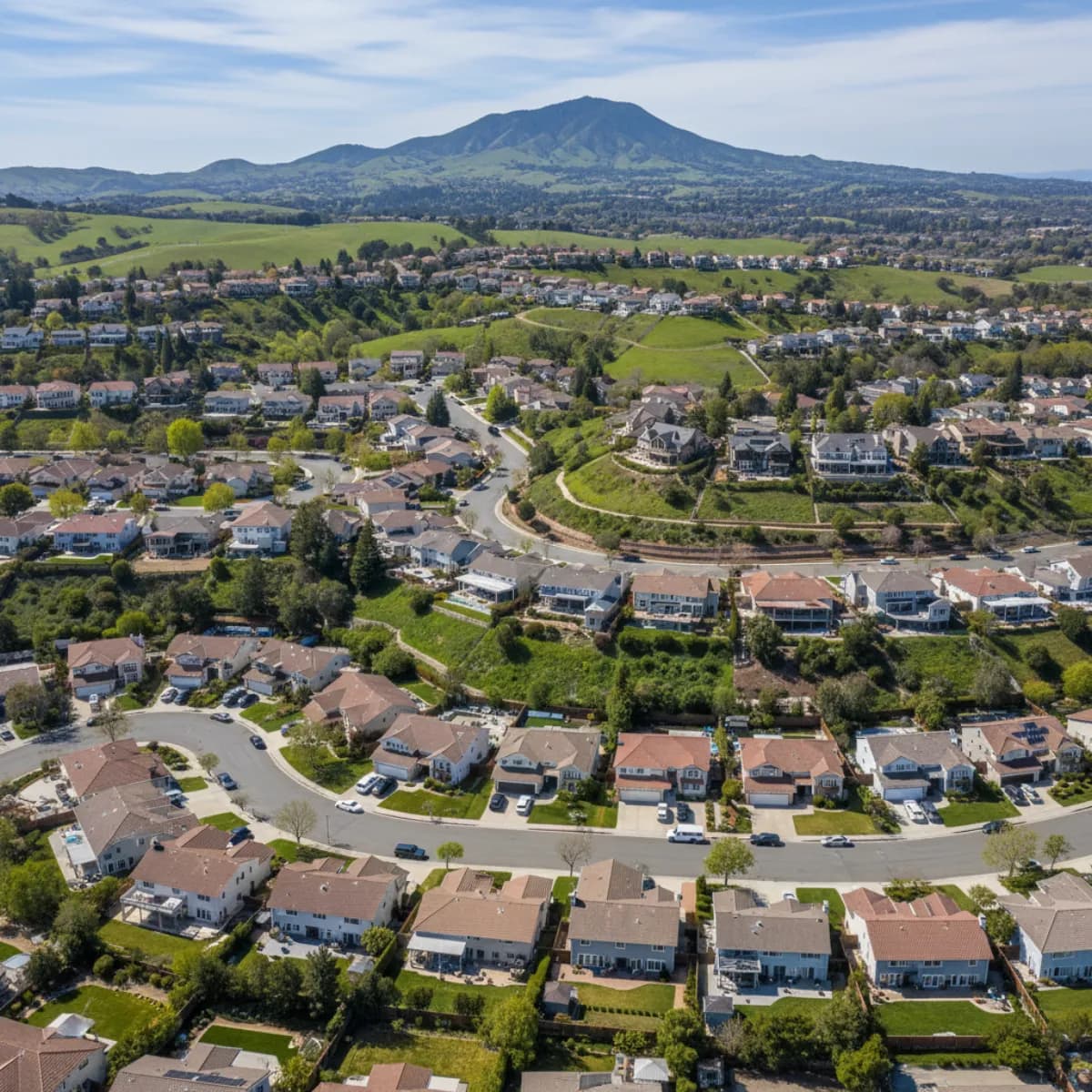
East Bay Tech Suburb
Instant Roof Replacement Quotes in Fremont, CA
Over 230,000 residents across Fremont's six historic districts need roofing that handles the Hayward Fault's seismic demands, Bay fog moisture, and warm inland valley heat. Get instant quotes from pre-vetted California contractors for Mission San Jose hillside estates, Warm Springs tract homes, Niles Canyon cottages, and properties across every Fremont neighborhood.
Free Quotes
no obligations ever
Contractor Bids
standardized scope comparison
Until You Choose
no spam, no lead resale
CA Contractors
licensed, insured, reviewed
Fremont at a Glance
Population
4th largest East Bay city
Sunny Days / Year
Strong solar potential
Fault Line Proximity
Runs directly through city
Permit Cost
City of Fremont permits
Historic Districts
Each with distinct housing
Cool Roof Compliance
Climate zone 3
Roofing Challenges Unique to Fremont
Fremont sits at the crossroads of the East Bay's most defining geological and climatic forces. The Hayward Fault runs directly through the city, creating seismic demands that influence every roofing decision. Meanwhile, Fremont's geography -- stretching from the marshlands near San Francisco Bay to the slopes of Mission Peak at 2,517 feet -- creates dramatic microclimate variations within a single city. Add Bay Area premium labor costs, a housing stock that ranges from 1950s tract homes to contemporary custom hillside builds, and California's stringent Title 24 energy codes, and Fremont presents a roofing environment that demands local expertise.
= Hayward Fault Seismic Zone
The Hayward Fault is one of the most dangerous earthquake faults in the United States, running directly through Fremont from south to north. The USGS estimates a 33% probability of a magnitude 6.7 or greater earthquake within the next 30 years. This seismic reality impacts every roofing material choice: heavy concrete and clay tile (9-12 pounds per square foot) requires engineered framing verified for seismic loads, while lightweight architectural shingles (2-4 lbs/sqft) and standing seam metal (1.5-3 lbs/sqft) impose far less structural stress. Many of Fremont's older tract homes from the 1950s-1970s were built before modern seismic codes and may need framing reinforcement before heavier materials can be safely installed.
- - Heavy tile requires seismically engineered framing
- - Structural assessment recommended ($500-$1,500)
- - Lightweight materials reduce earthquake risk
- - Pre-1975 homes may need framing reinforcement
~ Bay Fog & Marine Moisture
Western Fremont neighborhoods -- Centerville, parts of Irvington, and areas near the Fremont BART station -- sit below the fog line and receive persistent marine moisture from San Francisco Bay. Summer fog keeps roofs damp for hours each morning, accelerating moss growth, algae staining, and organic matter accumulation. This chronic moisture penetrates standard felt underlayment over time, causing wood rot in roof decking and reducing the effective lifespan of standard shingles by 3-5 years compared to Fremont's drier eastern neighborhoods.
- - Algae-resistant shingles essential in west Fremont
- - Enhanced ridge and soffit ventilation critical
- - Synthetic underlayment resists moisture better
- - Regular moss and debris maintenance required
! Warm Inland Valleys & UV Exposure
Eastern Fremont -- Mission San Jose, Warm Springs, and the Tesla area -- sits in a warm inland valley shielded from Bay fog by the hills. Summer temperatures regularly reach the mid-90s, with roof surface temperatures exceeding 150 degrees F. This intense UV and heat accelerates shingle degradation, causes thermal expansion stress on all materials, and makes cool roofing performance critical for both comfort and energy costs. Homes on the slopes facing Mission Peak get the most intense sun exposure in the city.
- - Title 24 cool roof ratings essential for energy savings
- - High SRI (Solar Reflectance Index) materials recommended
- - Metal roofing with reflective coatings excels here
- - Concrete tile provides natural thermal mass
# Diverse Housing Stock & HOA Requirements
Fremont's housing spans more than seven decades and includes everything from 1950s ranch-style tract homes in Centerville and Irvington to contemporary custom hillside estates in Mission San Jose to brand-new developments in the Warm Springs/Tesla district. Many Fremont neighborhoods have active HOAs with specific material, color, and style requirements. The historic Niles district adds preservation considerations. This diversity means no single roofing approach works city-wide -- material selection must account for architectural style, HOA rules, structural capacity, and neighborhood microclimate.
- - 1950s-70s tract homes: check structural capacity first
- - Newer developments: HOA material restrictions common
- - Mission San Jose: custom rooflines, larger areas
- - Niles historic area: preservation guidelines apply
East Fremont vs. West Fremont: Two Roofing Climates in One City
Fremont stretches nearly 80 square miles from the salt marshes of San Francisco Bay to the slopes of Mission Peak. This east-west span creates two distinct roofing environments within a single city. Western Fremont contends with marine fog, moisture, and cooler temperatures, while eastern Fremont faces warm, dry conditions with intense UV exposure. Understanding which zone your property falls in is essential for choosing the right materials and ventilation strategy.
West Fremont (Bay Side)
Centerville, parts of Irvington, Ardenwood, near BART stations
Primary Challenges
Bay fog moisture, algae growth, cooler temperatures, salt air exposure from marshland proximity
Best Materials
Algae-resistant architectural shingles, standing seam metal, TPO for flat-roof additions
Housing Stock
1950s-70s ranch homes, tract developments, newer townhome complexes
Typical Cost Range
$14,000 - $28,000 for shingles; $20,000 - $42,000 for metal
East Fremont (Inland Hills)
Mission San Jose, Warm Springs, Tesla district, Glenmoor
Primary Challenges
Intense UV and heat, thermal expansion cycles, hillside access for custom homes, larger roof areas
Best Materials
Concrete tile, cool-rated architectural shingles, metal with reflective coatings
Housing Stock
Custom hillside estates, Mediterranean-style homes, newer Tesla-area developments
Typical Cost Range
$18,000 - $35,000 for shingles; $30,000 - $65,000 for tile
Fremont Roof Replacement Cost by Material
Fremont roofing costs reflect Bay Area economics: labor rates of $80-$115 per hour, City of Fremont building permits ($300-$700), and the specialized expertise required for the city's diverse architecture and split microclimate zones. Mission San Jose hillside properties with custom rooflines and steep access typically cost 10-20% more than standard tract home replacements in the flatlands.
#1: Architectural Shingles
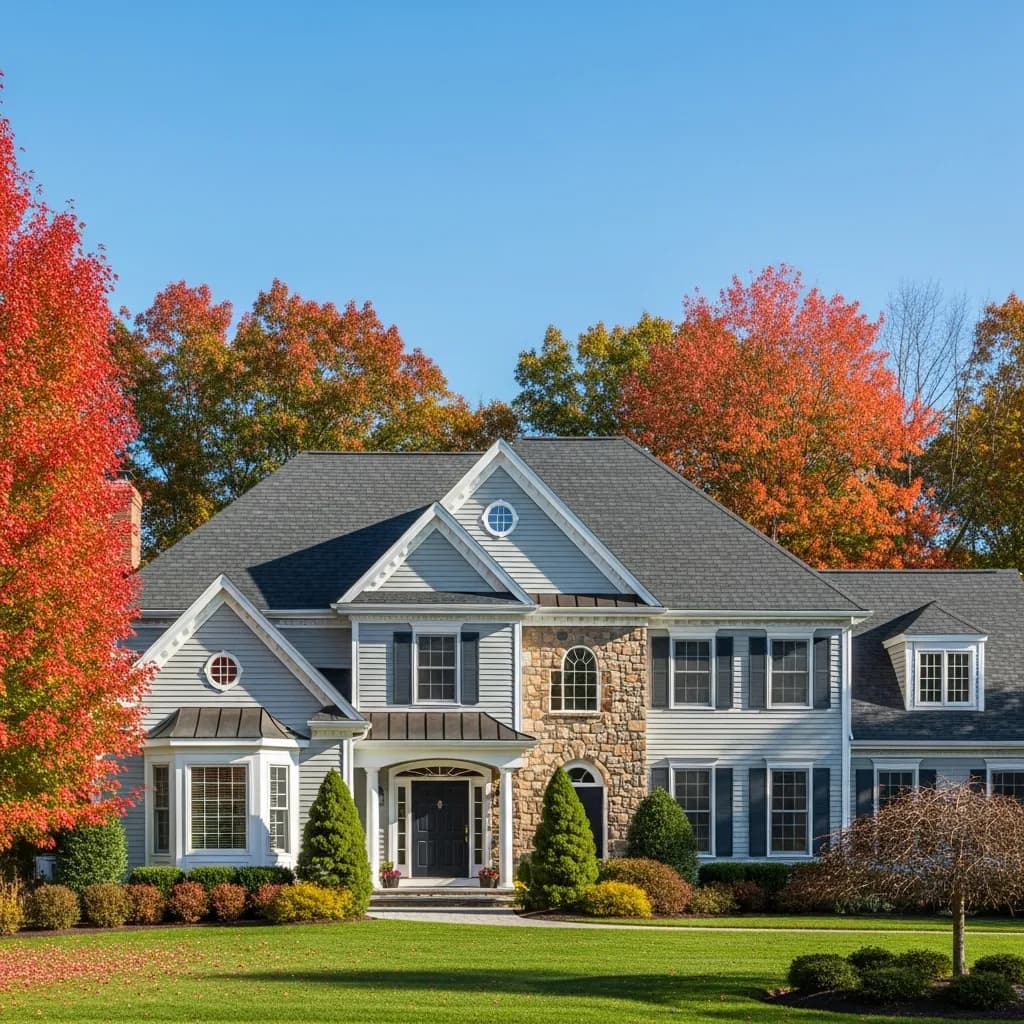
The most popular roofing choice across Fremont, offering the best balance of affordability, aesthetics, and seismic safety. Architectural shingles weigh just 2-4 pounds per square foot, imposing minimal stress on Fremont's older tract home framing during seismic events. Cool-rated versions with reflective granules meet Title 24 requirements for Fremont's climate zone 3. In western fog-zone neighborhoods, algae-resistant versions with copper or zinc granules prevent the biological growth that chronic moisture promotes. These shingles complement the ranch and contemporary styles that dominate most Fremont neighborhoods.
Best For:
Most Fremont homes, tract and ranch styles
Lifespan:
25-35 years
Cost Range:
$14,000 - $32,000
Seismic Safety:
Lightweight, minimal stress
Concrete Tile
#2: Concrete Tile
The prestige choice for Fremont's Mission San Jose hillside estates and Mediterranean-style homes throughout Warm Springs and Glenmoor. Concrete tile provides exceptional longevity (50-75 years), natural heat resistance through thermal mass, and an inherent Class A fire rating. However, tile is the heaviest roofing material at 9-12 pounds per square foot, and given Fremont's position directly on the Hayward Fault, seismic framing verification is essential. Many 1960s-70s homes in Centerville and Irvington require $3,000-$8,000 in structural reinforcement before tile can be safely installed.
Best For:
Mission San Jose, Mediterranean styles
Lifespan:
50-75 years
Cost Range:
$30,000 - $65,000
Seismic Note:
Requires engineered framing assessment
#3: Standing Seam Metal
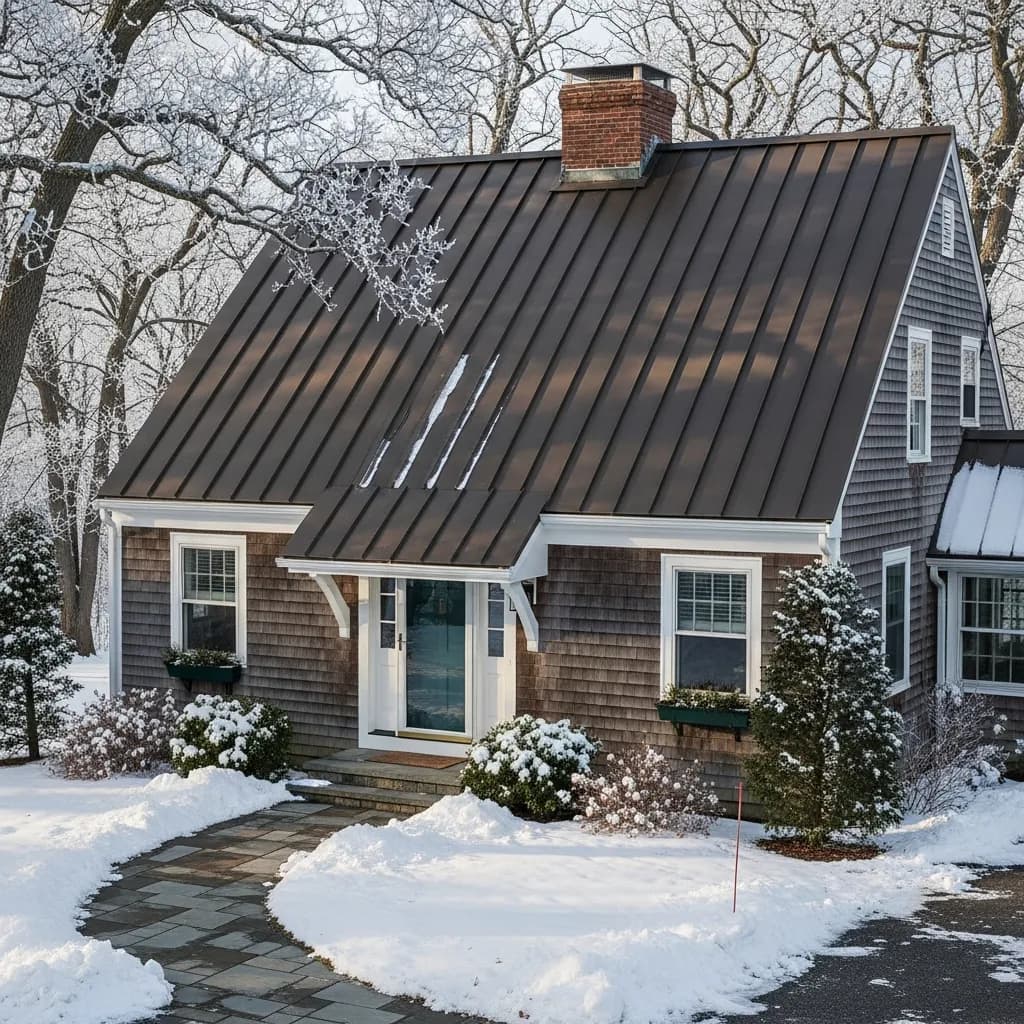
An increasingly popular choice in Fremont, particularly among homeowners combining a roof replacement with solar panel installation. Standing seam metal is ultralight (1.5-3 lbs/sqft), making it one of the safest materials for seismic zones. Its cool-roof coatings can reflect up to 70% of solar energy, dramatically reducing cooling costs in Fremont's warm eastern valleys. Metal is also the most solar-compatible roofing option, allowing clamp-on panel mounting without roof penetrations -- a significant advantage in a city with 260+ sunny days per year and strong net metering programs.
Best For:
Solar-ready homes, contemporary styles
Lifespan:
40-70 years
Cost Range:
$22,000 - $50,000
Energy Savings:
10-25% cooling reduction
Fremont Average Roof Cost: Architectural shingles $14,000-$32,000. Concrete tile $30,000-$65,000. Metal $22,000-$50,000. Fremont costs run 20-35% above the national average due to Bay Area labor rates and permitting complexity. Mission San Jose hillside homes typically cost 10-20% more than flatland properties. Get your exact price with a free instant estimate.
Fremont Building Requirements
Important Local Regulations
City of Fremont Building Permits
All roof replacements within the City of Fremont require permits through the Community Development Department. Permit fees typically range from $300 to $700 depending on project scope and valuation. Applications can be submitted online through the city's permitting portal. Standard re-roof permits are processed in 1-3 weeks. Properties in the Mission San Jose hillside area, designated seismic hazard zones, or with structural modifications may require additional engineering review. Multiple inspections are mandatory, including a final inspection before project sign-off.
Seismic Code Compliance (Hayward Fault)
Fremont's position on the Hayward Fault means all construction must meet California Building Code seismic requirements. When replacing a roof, contractors must assess whether the existing structure can support the new materials under seismic loading. Switching from lightweight shingles to heavy tile may trigger a mandatory structural engineering review. This is particularly important for Fremont's 1950s-1970s tract homes built before modern seismic codes. The city may require a structural engineer's letter confirming the roof framing can handle the additional dead load during an earthquake.
Title 24 Energy Standards
California's Title 24 Building Energy Efficiency Standards apply to all Fremont re-roofing projects. Fremont falls in climate zone 3, which requires cool roofing materials meeting minimum Solar Reflectance Index (SRI) values for both steep-slope and low-slope roofing. Non-compliant materials will fail city inspection. Most modern architectural shingles with reflective granules, all metal roofing with cool-roof coatings, and white TPO membranes meet these requirements. Given Fremont's warm eastern valleys, cool roof compliance delivers real energy savings beyond mere code compliance.
Hillside Development Overlay (Mission San Jose)
Properties in Fremont's hillside areas, particularly the Mission San Jose district and slopes below Mission Peak, may fall within the city's Hillside Development Overlay zone. Re-roofing projects in these areas can trigger additional review for grading, drainage, and structural stability. Contractors working on hillside properties need experience with steep-slope access, material staging on inclines, and the unique wind exposure patterns that hillside homes face. Equipment access limitations on narrow hillside roads may add 5-15% to project costs.
California Contractor Licensing (CSLB)
California requires all roofing contractors to hold a valid C-39 Roofing Contractor License from the Contractors State License Board (CSLB). Verify any contractor at cslb.ca.gov. Licensed contractors must carry workers' compensation insurance and a minimum $25,000 contractor bond. All contractors on the RoofVista platform are CSLB-verified with active C-39 licenses.
Niles Canyon, Mission San Jose & Fremont's Historic Character
Unlike most Bay Area suburbs, Fremont was formed in 1956 by consolidating five distinct communities -- Centerville, Niles, Irvington, Mission San Jose, and Warm Springs -- each with its own history and character. This heritage shapes the roofing landscape in ways unique to Fremont.
Niles District
The historic Niles district, once a silent film capital where Charlie Chaplin filmed, retains a charming small-town character with Victorian and early 20th-century homes along Niles Boulevard. These older structures often have complex rooflines, decorative elements, and original materials that require specialized restoration or period-appropriate replacement. The Niles Canyon Railway corridor adds a unique aesthetic context that many homeowners seek to preserve.
- - Victorian and early 1900s architecture
- - Period-appropriate materials important
- - Complex rooflines with decorative details
- - Proximity to Alameda Creek watershed
Mission San Jose
Named for the 1797 Mission San Jose de Guadalupe, this hillside district is Fremont's most prestigious residential area. Large custom homes on generous lots climb the western slopes toward Mission Peak, many featuring Mediterranean, Spanish Colonial, and contemporary architectural styles. Roofing projects here involve larger roof areas (3,000-6,000+ sqft), steeper pitches, and premium materials like concrete tile. The elevation provides protection from Bay fog but increases UV and wind exposure.
- - Custom hillside estates with large roof areas
- - Mediterranean and Spanish Colonial styles
- - Concrete tile is the dominant material
- - Steep access adds 10-20% to project costs
Fremont Neighborhoods We Serve
From the marshland-adjacent neighborhoods near the Bay to the hillside estates below Mission Peak, our pre-vetted contractors serve every Fremont neighborhood. Each area has distinct roofing requirements based on its microclimate, housing vintage, and HOA regulations.
Mission San Jose
- - Fremont's premier hillside district
- - Custom homes with large roof areas
- - Concrete tile and premium materials
- - Steep hillside access challenges
- - Strong UV and wind exposure
Warm Springs / Tesla
- - Mix of established homes and new development
- - Tesla factory district bringing new housing
- - BART access area with transit-oriented development
- - HOA restrictions common in newer sections
- - Warm, dry microclimate
Niles
- - Historic small-town character
- - Victorian and early 1900s homes
- - Period-appropriate materials important
- - Niles Canyon proximity (moisture)
- - Complex rooflines and decorative elements
Centerville
- - 1950s-70s ranch and tract homes
- - Bay-side fog and moisture exposure
- - Algae-resistant materials essential
- - Affordable Fremont roofing market
- - Close to marshland and salt air
Irvington
- - Central Fremont location
- - Mix of housing vintages and styles
- - Transition zone between fog and sun
- - Well-established residential neighborhoods
- - Standard tract home roofing needs
Glenmoor
- - Upscale planned community
- - Active HOA with material restrictions
- - Mediterranean and contemporary styles
- - Inland warmth with UV exposure
- - Well-maintained neighborhood standards
Earthquake Insurance & Roofing Decisions in Fremont
Living on the Hayward Fault: What It Means for Your Roof
Fremont's position directly on the Hayward Fault makes earthquake preparedness an essential part of every roofing decision. Your roof material choice doesn't just affect aesthetics and weather protection -- it directly impacts structural safety during a seismic event and can influence earthquake insurance premiums and coverage eligibility.
Seismic Risk & Roof Weight
- - Concrete tile (9-12 lbs/sqft) creates maximum seismic load
- - Architectural shingles (2-4 lbs/sqft) are seismic-friendly
- - Metal roofing (1.5-3 lbs/sqft) is the lightest option
- - Lighter roofs reduce collapse risk during earthquakes
- - Pre-1975 homes most vulnerable to seismic roof failure
Insurance Considerations
- - Standard homeowner's policies do not cover earthquake damage
- - CEA (California Earthquake Authority) provides separate coverage
- - Lightweight roofing may qualify for lower earthquake premiums
- - Combining roof replacement with seismic retrofitting saves long-term
- - Document all structural improvements for underwriting
Our pre-vetted contractors understand Fremont's seismic requirements and can recommend materials and installations that balance aesthetics, durability, and structural safety for life on the Hayward Fault.
Fremont: Solar Capital of the East Bay
With over 260 sunny days per year, the Tesla factory in its backyard, and some of the strongest net metering incentives in California, Fremont is one of the Bay Area's best cities for solar energy. Combining a roof replacement with solar panel installation is both practical and financially smart -- you save on labor by doing both at once, your new roof has a full warranty ahead of any panel mounting, and you can choose materials specifically optimized for solar compatibility.
Sunny Days / Year
Outstanding solar potential
Best Solar Roof Pairing
Clamp-on mounting, no penetrations
Cooling Cost Reduction
With cool-roof rated materials
Frequently Asked Questions About Fremont Roofing
How much does a roof replacement cost in Fremont, CA?
Roof replacement in Fremont typically costs between $14,000 and $32,000 for architectural shingles on a standard home. Standing seam metal roofing ranges from $22,000 to $50,000, and concrete tile installations run $30,000 to $65,000. Fremont's costs are driven by Bay Area labor rates ($80-$115 per hour, among the highest in the country), City of Fremont building permit fees ($300-$700), and the specialized expertise required for seismic zone construction. Homes in Mission San Jose's hillside area typically cost 10-20% more than flatland properties in Centerville or Irvington due to larger custom roof areas, steeper pitches, and the logistical premium of working on hillside properties with limited vehicle access. Concrete tile installations in seismically active Fremont often require a structural engineering assessment ($500-$1,500) and potentially framing reinforcement ($3,000-$8,000) before heavy materials can be safely installed, adding to the total project cost.
What seismic considerations affect roofing in Fremont?
The Hayward Fault runs directly through Fremont, making it one of the most seismically active cities in the Bay Area. The USGS estimates a 33% probability of a magnitude 6.7 or greater earthquake on the Hayward Fault within the next 30 years, making seismic considerations central to every roofing project in Fremont. Heavy materials like concrete and clay tile weigh 9-12 pounds per square foot, compared to 2-4 pounds for architectural shingles and just 1.5-3 pounds for standing seam metal. During a major earthquake, a heavy tile roof places significantly more stress on the building's framing, walls, and foundation. Many of Fremont's 1950s-1970s tract homes were built before modern seismic codes and may have undersized rafters, inadequate bracing, or deteriorated connections. Switching from shingles to tile on these homes typically requires a structural engineering assessment and may require framing reinforcement costing $3,000-$8,000. Lightweight options like architectural shingles and standing seam metal are pragmatically the safest choices for older Fremont homes on the Hayward Fault.
What permits are required for roof replacement in Fremont?
All roof replacements in the City of Fremont require a building permit through the Community Development Department. Permit fees range from $300 to $700 depending on project scope and valuation. Applications can be submitted online through the city's permitting portal, and standard re-roof permits are typically processed within 1-3 weeks. Properties in hillside overlay zones, particularly in Mission San Jose, may require additional geotechnical or structural review that can extend the approval timeline. Switching to heavier roofing materials (such as replacing shingles with concrete tile) may trigger a structural engineering review under California Building Code seismic requirements. Multiple inspections are mandatory during and after installation, and a final inspection is required before the project receives sign-off. Failing to obtain permits can result in fines, complications when selling the property, and potential insurance claim denials. Our pre-vetted contractors handle the entire Fremont permitting process on your behalf, ensuring full compliance with city and state requirements.
What are the best roofing materials for Fremont's climate?
Fremont's climate varies significantly across the city, making material selection a neighborhood-specific decision. In western Fremont near the Bay (Centerville, parts of Irvington), persistent marine fog keeps roofs damp for hours each morning, promoting moss, algae, and wood rot. Algae-resistant architectural shingles with copper or zinc granules are essential here, along with enhanced ventilation and synthetic underlayment. In eastern Fremont (Mission San Jose, Warm Springs, Tesla), the climate is warmer and drier with intense UV exposure. Cool-rated materials with high Solar Reflectance Index values reduce cooling costs and meet Title 24 requirements. Concrete tile with natural thermal mass performs well in these warmer zones. Standing seam metal with cool-roof coatings works across both zones, providing moisture resistance in the west and heat reflection in the east, while being the lightest and most seismically safe option. All materials installed in Fremont must meet Title 24 cool roof standards for climate zone 3.
How does Fremont's microclimate affect roof lifespan?
Fremont straddles two distinct microclimates that affect roof lifespan in opposite ways. Western neighborhoods near the Bay receive marine fog that keeps roofs damp throughout summer mornings, promoting biological growth -- moss colonizes north-facing slopes, algae (Gloeocapsa magma) creates dark staining that absorbs heat and accelerates shingle degradation, and organic debris accumulates in valleys and gutters. This chronic moisture can reduce standard shingle lifespan by 3-5 years compared to drier areas. Eastern Fremont near Mission Peak is sheltered from fog and receives more direct sunlight, with summer temperatures regularly in the mid-90s. Here the challenge is UV degradation and thermal cycling -- asphalt shingles expand and contract daily, breaking down the petroleum binders faster than in cooler climates. The key to maximizing roof lifespan in Fremont is matching materials and ventilation to your specific neighborhood: algae-resistant products with enhanced ventilation in the west, cool-rated products with adequate attic air flow in the east.
Are there HOA restrictions on roofing in Fremont?
Many Fremont neighborhoods have active Homeowners Associations with specific roofing requirements. Planned communities in Warm Springs, Glenmoor, and the newer Tesla-area developments commonly enforce restrictions on roofing material types (often requiring architectural shingles or tile), approved color palettes (typically earth tones), and sometimes specific manufacturer product lines. The Mission San Jose area, while not governed by a single HOA, has neighborhood character expectations rooted in its historic significance -- the area's Mediterranean and Spanish Colonial homes traditionally feature concrete tile roofing, and departing from this aesthetic may face social resistance even without formal restrictions. The historic Niles district similarly has community character expectations that favor period-appropriate materials. Always check your HOA Covenants, Conditions & Restrictions (CC&Rs) before selecting roofing materials. Our pre-vetted contractors are familiar with common Fremont HOA requirements and can help ensure your material selection meets both code compliance and community standards.
How long does a roof replacement take in Fremont?
Most Fremont roof replacements take 3-5 days for architectural shingles on a standard tract home and 5-10 days for concrete tile or metal roofing. Fremont's mild year-round climate allows roofing work in most seasons, with brief delays possible during winter rain events from November through March. Larger custom homes in Mission San Jose may require 7-14 days due to bigger roof areas (3,000-6,000+ sqft), steeper pitches, and the equipment staging challenges of hillside properties. Bay Area contractor demand can affect scheduling, especially during peak season (April through October), so planning 3-6 weeks ahead is recommended to secure your preferred contractor. If combining roof replacement with solar panel installation, add 2-4 days for solar mounting and electrical work. Permit processing (1-3 weeks) happens before work begins and doesn't add to the on-site timeline.
Should I combine roof replacement with solar installation in Fremont?
Fremont is one of the best cities in the Bay Area for combined roof-and-solar projects. With over 260 sunny days per year, strong California net metering programs, and a culture of sustainability reinforced by the city's Tesla factory presence, solar energy makes both environmental and financial sense. Combining the two projects saves on labor costs (scaffolding, equipment, and crews are already on-site), ensures your new roof carries a full warranty before any panel mounting occurs, and lets you choose materials optimized for solar compatibility from the start. Standing seam metal is the gold standard for solar pairing because it allows clamp-on panel mounting without any roof penetrations, eliminating the leak risk that comes with traditional lag-bolt mounting on shingles or tile. Architectural shingles and concrete tile can also support solar with appropriate rail-mount systems. While California's Title 24 solar mandate applies only to new construction, a re-roof is the ideal time to go solar-ready even on existing Fremont homes.
California Roofing Resources
California State Overview
All California roofing resources and city pages
California Roof Replacement Cost Guide
Detailed pricing for all CA regions and materials
Best Roofing Materials for California
Climate-specific material recommendations
Wildfire-Resistant Roofing in California
Fire zone requirements and material recommendations
California Roofing Building Codes
Title 24, fire codes, and local requirements
California Contractor Licensing
C-39 license requirements and CSLB verification
Get Your Fremont Roof Quote in Minutes
Enter your address to compare instant quotes from pre-vetted California contractors who specialize in Hayward Fault seismic-ready installations, Bay Area microclimates, and Fremont's diverse housing from Centerville tract homes to Mission San Jose estates