
Orange County's Largest City
Instant Roof Replacement Quotes in Anaheim, CA
Over 350,000 residents across Anaheim need roofing that handles Santa Ana wind gusts, Anaheim Hills fire zones, and relentless Southern California sun. Get instant quotes from pre-vetted Orange County contractors for hillside estates, flatland family homes, Colony Historic District bungalows, and properties across every Anaheim neighborhood.
Free Quotes
no obligations ever
Contractor Bids
standardized scope comparison
Until You Choose
no spam, no lead resale
CA Contractors
licensed, insured, reviewed
Anaheim at a Glance
Population
Largest city in Orange County
Sunny Days / Year
Intense UV and heat exposure
City Area
Flatlands to 1,400 ft hills
Permit Cost
City of Anaheim re-roof permits
Fire Rating
Required in WUI zones
Cool Roof Compliance
Climate zone 8
Why Anaheim Roofing Is Unique in Orange County
Anaheim is a city of contrasts. The flat western neighborhoods near the Disneyland Resort and convention center feature affordable ranch-style homes and post-war tract housing, while Anaheim Hills to the east climbs into the Santa Ana Mountains with luxury hillside estates situated in some of Orange County's highest wildfire risk zones. This geographic diversity means Anaheim homeowners face fundamentally different roofing challenges depending on where they live, and choosing the right materials and contractor requires local expertise that accounts for everything from Wildland-Urban Interface fire codes to historic preservation requirements in the Colony District.
As Orange County's largest city by population, Anaheim has a housing stock that spans more than a century. The original Colony Historic District near downtown dates to the 1870s, while master-planned communities in Anaheim Hills were built from the 1970s through the 2000s. Each era brought different construction methods, roof pitches, and material choices. Today, concrete tile dominates across Orange County, but shingle roofs remain common in older flatland neighborhoods and metal roofing is gaining ground in newer construction and solar-forward homes.
Flatland vs. Hills: Two Different Roofing Worlds
Anaheim is divided into two distinct roofing environments by geography. Understanding which zone your home falls in is the first step to making smart roofing decisions.
# Flatland Anaheim (West & Central)
The western two-thirds of Anaheim sits on the flat Orange County coastal plain, generally at elevations below 200 feet. This includes West Anaheim, the Platinum Triangle, the Resort District near Disneyland, and the Colony Historic District. Homes here face standard Southern California roofing challenges: intense UV exposure, hot summers reaching 90-100 degrees F, and Santa Ana wind events. However, they are generally outside designated fire zones, which means lower insurance premiums and fewer material restrictions.
- - Standard insurance rates (non-fire zone)
- - Older housing stock (1940s-1970s tract homes)
- - Mix of shingle and tile roofs
- - Budget-friendly options available
- - Easy roof access for contractors
! Anaheim Hills (East)
Eastern Anaheim climbs into the foothills of the Santa Ana Mountains, with elevations reaching 1,400 feet. Anaheim Hills, Canyon Rim, and Sycamore Canyon neighborhoods sit within or adjacent to Wildland-Urban Interface (WUI) fire zones. These hillside homes face elevated wildfire risk, steeper roof pitches that complicate installation, and stricter building code requirements. They also tend to be newer, larger, and more expensive, with concrete tile as the predominant roofing material.
- - WUI fire zone designations
- - Class A fire-rated assemblies required
- - Steeper pitches increase labor costs
- - Higher insurance premiums
- - Concrete tile dominates
Roofing Challenges Unique to Anaheim
Anaheim's position at the mouth of the Santa Ana Canyon creates a distinctive microclimate that affects roofing performance. The combination of hot dry summers, channeled wind events, hillside fire risk, and year-round UV exposure demands materials and installation techniques calibrated specifically for this environment.
~ Santa Ana Winds
Anaheim sits at the western mouth of the Santa Ana Canyon, one of the primary corridors through which hot, dry Santa Ana winds funnel from the inland deserts to the coast. This geographic position makes Anaheim one of the most wind-exposed cities in Orange County, with gusts regularly reaching 60-80 mph during events that typically occur from October through March. In the elevated portions of Anaheim Hills, gusts can exceed 100 mph in canyon corridors.
- - Wind-rated installation (110+ mph) essential
- - Enhanced nail patterns with 6-nail method
- - Tile clips and foam adhesive for concrete tiles
- - Sealed roof edges to prevent wind uplift
! Anaheim Hills Fire Zones
The eastern portions of Anaheim fall within CAL FIRE-designated Wildland-Urban Interface (WUI) zones where residential development meets wildland vegetation. The 2017 Canyon Fire 2 burned over 9,000 acres in Anaheim Hills and Orange, destroying multiple homes and prompting evacuations across the eastern part of the city. This fire dramatically illustrated the vulnerability of hillside homes and led to increased enforcement of fire-safe building practices.
- - Class A fire-rated roofing mandatory in WUI
- - Ember-resistant roof and ridge vents
- - Fire-resistant underlayment required
- - Non-combustible fascia and eave materials
= Heat & UV Degradation
Anaheim averages 280+ sunny days per year with summer temperatures regularly reaching 90-105 degrees F. Inland locations like Anaheim Hills can hit 110 degrees F during heat waves. Roof surface temperatures on dark materials can exceed 160 degrees F, accelerating the breakdown of asphalt shingles, cracking underlayment, and degrading sealant strips. This intense thermal cycling between daytime heat and overnight cooling creates expansion and contraction stress on all roofing materials.
- - Title 24 cool roof materials required (zone 8)
- - High Solar Reflectance Index (SRI) materials
- - Concrete tile provides natural thermal mass
- - UV-degraded shingles need replacement sooner
* Seismic Considerations
Orange County sits near several active fault lines, and Anaheim is no exception. While earthquakes don't directly damage most roofing systems, they can shift roof framing, crack brittle tile, and compromise flashing and sealant joints. Homes with heavy concrete or clay tile roofs must have adequately engineered structural support to handle both the static weight of the tile and the dynamic loads of seismic events.
- - Structural adequacy for heavy tile loads
- - Flexible underlayment accommodates movement
- - Post-earthquake roof inspections recommended
- - Lightweight alternatives for older framing
Anaheim Roof Replacement Cost by Material
Anaheim roofing costs are influenced by Orange County labor rates ($75-$105/hour), City of Anaheim permitting ($250-$600), Title 24 compliance requirements, and whether the property is in a standard zone or WUI fire zone. Flatland properties in West Anaheim generally fall at the lower end of cost ranges, while Anaheim Hills hillside homes with steep pitches, limited access, and fire code requirements trend toward the higher end.
Concrete Tile
#1: Concrete Tile
Concrete tile is the signature roofing material of Orange County and dominates across Anaheim's neighborhoods. Available in flat, S-profile, and barrel styles, concrete tile provides exceptional durability in Anaheim's hot, dry climate. Its natural thermal mass keeps homes cooler without reflective coatings, and it carries an inherent Class A fire rating that satisfies even the strictest Anaheim Hills WUI zone requirements. With proper installation, concrete tile lasts 50+ years, making it the best long-term investment for most Anaheim homeowners despite the higher upfront cost.
Best For:
Most Anaheim homes, fire zones
Lifespan:
50-75 years
Cost Range:
$25,000 - $55,000
Fire Rating:
Class A (non-combustible)
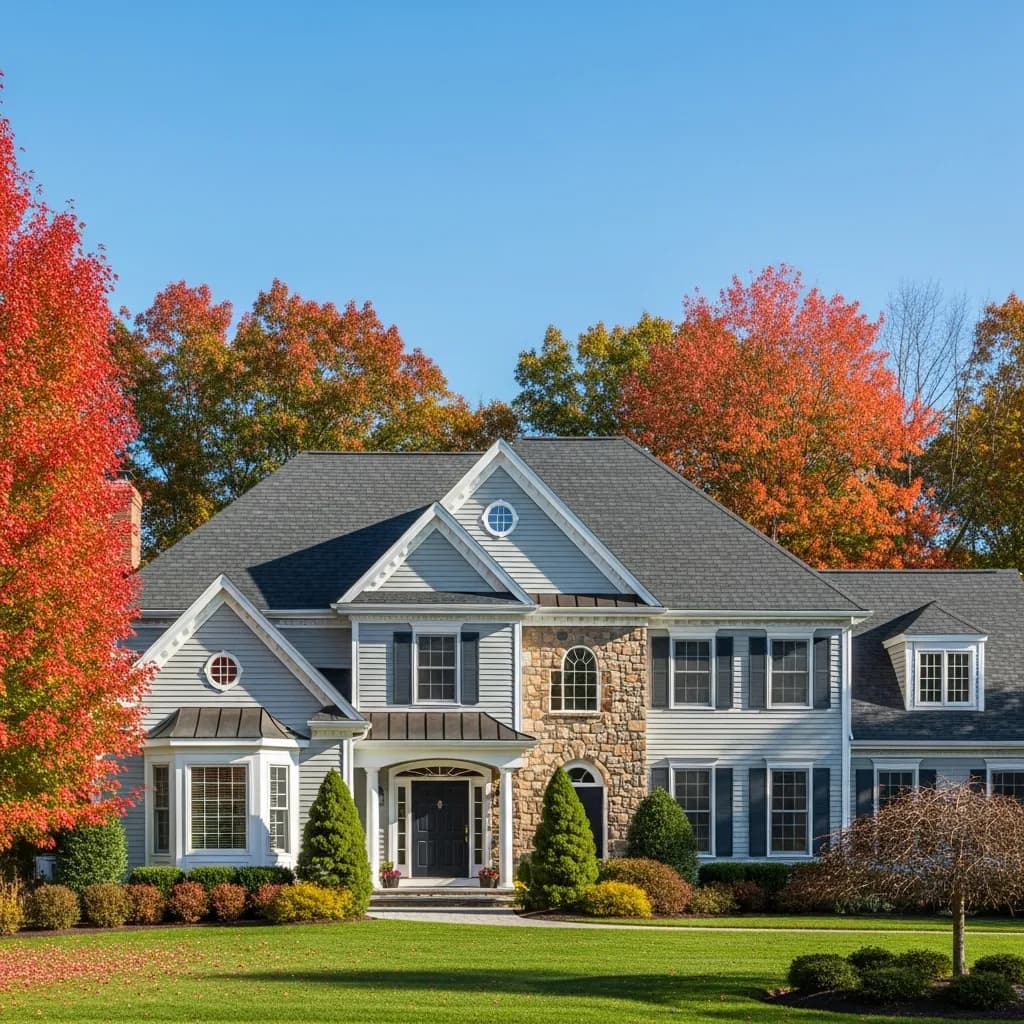
#2: Cool-Rated Architectural Shingles
The most affordable roofing option for Anaheim homeowners. California Title 24 requires cool-rated shingles in Orange County's climate zone 8, which means shingles must feature reflective granules that meet minimum Solar Reflectance Index (SRI) requirements. While shingles have a shorter lifespan than tile (20-30 years in Anaheim's intense UV), they offer significant cost savings and are particularly well-suited for older flatland homes in West Anaheim where the roof structure may not support the weight of concrete tile without costly reinforcement.
Best For:
Budget-conscious, older homes
Lifespan:
20-30 years (Anaheim climate)
Cost Range:
$12,000 - $28,000
Requirement:
Must be Title 24 cool-rated
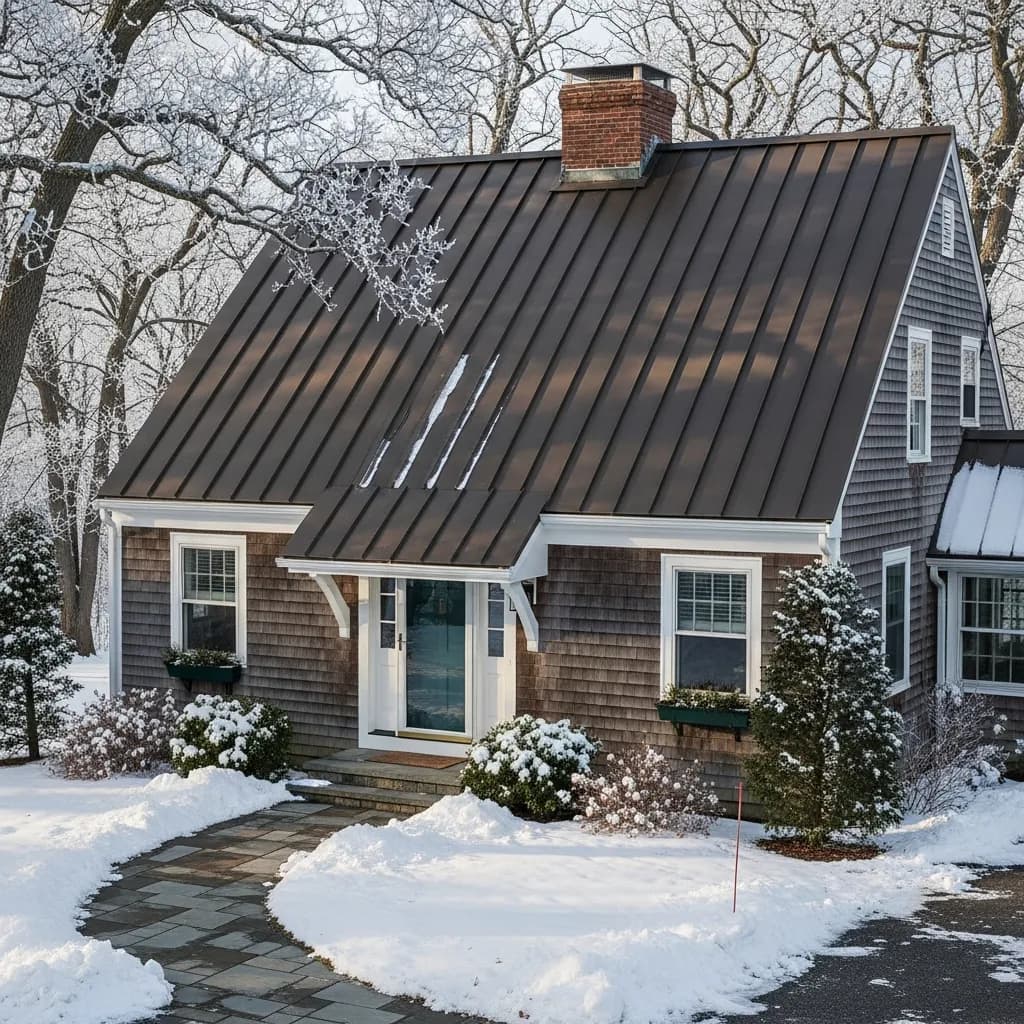
#3: Standing Seam Metal
Standing seam metal is the fastest-growing roofing material in Orange County, particularly popular among homeowners who want to combine roof replacement with solar panel installation. Metal roofing with cool-roof coatings can reflect up to 70% of solar energy, significantly reducing cooling costs during Anaheim's hot summers. Its Class A fire rating makes it ideal for Anaheim Hills WUI zones, and the clamp-on solar mounting system eliminates roof penetrations. Metal performs exceptionally well in Santa Ana wind events when properly installed with concealed fasteners.
Best For:
Solar homes, modern designs
Lifespan:
40-70 years
Cost Range:
$22,000 - $48,000
Energy Savings:
10-25% cooling reduction
Clay Tile
#4: Clay Tile
Premium clay tile is the material of choice for upscale homes in Anaheim Hills and properties seeking an authentic Spanish Colonial or Mediterranean aesthetic. While more expensive than concrete tile, clay offers superior color retention (the color is fired through the material rather than surface-applied), lighter weight per square, and a lifespan that can exceed 75 years. Clay tile is particularly appropriate for the Colony Historic District where period-accurate roofing materials may be required for design review approval.
Best For:
Premium homes, historic properties
Lifespan:
75-100 years
Cost Range:
$30,000 - $65,000
Fire Rating:
Class A (non-combustible)
Anaheim Average Roof Cost: Architectural shingles $12,000-$28,000. Concrete tile $25,000-$55,000. Standing seam metal $22,000-$48,000. Clay tile $30,000-$65,000. Anaheim Hills fire zone properties typically pay 15-20% more. Get your exact price with a free instant estimate.
Anaheim Building Requirements & Regulations
Important Local Regulations
City of Anaheim Permits
All roof replacements in Anaheim require permits through the City of Anaheim Building Division. Permit fees range from $250-$600 depending on project scope. Standard re-roof permits are typically processed within 1-2 weeks. The city uses an online permitting system for faster processing. Inspections are required at completion to verify code compliance, material specifications, and proper installation techniques.
Title 24 Energy Standards
California's Title 24 Building Energy Efficiency Standards require cool roofing materials in Anaheim's climate zone 8. Steep-slope roofing must meet minimum Solar Reflectance Index (SRI) values. Low-slope (flat) roofs have stricter requirements. Non-compliant materials will fail city inspection. All contractors on the RoofVista platform are verified for Title 24 compliance knowledge.
WUI Fire Zone Requirements (Anaheim Hills)
Properties in Anaheim's Wildland-Urban Interface zones must comply with California Building Code Chapter 7A. This includes Class A fire-rated roof assemblies, ember-resistant vents, non-combustible eaves, and fire-resistant underlayment. The Anaheim Fire & Rescue Department maintains maps of WUI-designated areas. Following the 2017 Canyon Fire 2, enforcement of these requirements has increased significantly.
Colony Historic District Design Review
Properties within the Colony Historic District may require design review from the Anaheim Planning Department for exterior changes including roof replacement. Reviewers evaluate material type, color, and profile to ensure compatibility with the neighborhood's Victorian, Craftsman, and early California architecture dating from the 1870s through the 1920s. Early consultation with the Planning Department can prevent costly delays.
California Contractor Licensing
California requires all roofing contractors to hold a valid C-39 Roofing Contractor License from the Contractors State License Board (CSLB). Verify any contractor at cslb.ca.gov. Licensed contractors must carry workers' compensation insurance and a minimum $25,000 contractor bond. All RoofVista contractors are CSLB-verified before joining the platform.
Anaheim Neighborhoods We Serve
From the flat, affordable neighborhoods of West Anaheim to the hilltop estates of Canyon Rim, our pre-vetted contractors serve every corner of Anaheim and surrounding Orange County communities. Each neighborhood has unique roofing requirements based on its geography, architecture, fire zone designation, and homeowner association rules.
Anaheim Hills
- - WUI fire zone designations
- - Master-planned hillside communities
- - Concrete tile dominant (1970s-2000s homes)
- - Steep pitches increase labor costs
- - Canyon Fire 2 rebuild experience
West Anaheim
- - Affordable 1950s-1970s tract homes
- - Mix of shingle and tile roofs
- - Standard insurance zones
- - Budget-friendly replacement options
- - Easy contractor access
Colony Historic District
- - 1870s-1920s historic architecture
- - Design review may be required
- - Period-appropriate materials preferred
- - Victorian and Craftsman styles
- - Unique restoration challenges
Platinum Triangle
- - Modern mixed-use development
- - Newer construction (2000s-present)
- - Contemporary architectural styles
- - Near Angel Stadium & Honda Center
- - HOA-governed communities
Canyon Rim & Sycamore Canyon
- - Highest fire risk in Anaheim
- - Borders Cleveland National Forest
- - Luxury hillside estates
- - Limited access for equipment
- - Strictest WUI code enforcement
Resort District & Convention Area
- - Near Disneyland and convention center
- - Mix of residential and commercial
- - Older homes alongside newer development
- - Tourism-area noise and access considerations
- - Flat roof commercial properties
Insurance Considerations for Anaheim Homeowners
Fire Zone vs. Flatland Insurance
Anaheim homeowners face a split insurance landscape. Properties in the flat western and central portions of the city generally enjoy standard homeowners insurance rates with multiple carrier options. However, homes in Anaheim Hills and eastern fire zones face a dramatically different situation, especially as California's insurance market continues to tighten in the wake of recent wildfire seasons.
Flatland Properties
- - Standard insurance rates from most carriers
- - Multiple coverage options available
- - New roof can reduce premiums 10-20%
- - Impact-resistant materials may earn discounts
- - No fire zone surcharges
Anaheim Hills / Fire Zone Properties
- - Several major insurers restricting new policies
- - FAIR Plan enrollment increasing in WUI areas
- - Premiums 20-60% higher than flatland equivalents
- - Class A fire-rated roof can improve insurability
- - Ember-resistant upgrades may qualify for reductions
Our pre-vetted contractors understand Anaheim's insurance requirements and can recommend materials and installations that maximize your insurability and may reduce premiums, whether you're in the flatlands or the hills.
Solar Integration & Anaheim Public Utilities
Anaheim is unique among Southern California cities because it operates its own municipal utility, Anaheim Public Utilities (APU), rather than being served by Southern California Edison (SCE). This means Anaheim homeowners have access to different solar incentive programs and rate structures than their neighbors in surrounding Orange County cities.
Why Combine Roof + Solar
- - Save on labor by doing both projects at once
- - 280+ sunny days per year in Anaheim
- - New roof warranty protects solar investment
- - Standing seam metal allows penetration-free mounting
- - Concrete tile compatible with solar tile-replacement systems
Anaheim Public Utilities Benefits
- - Municipal utility with its own solar programs
- - Historically lower electricity rates than SCE
- - Local permitting coordination with APU
- - Net energy metering available
- - Federal solar tax credits still apply
Frequently Asked Questions About Anaheim Roofing
How much does a roof replacement cost in Anaheim, CA?
Roof replacement in Anaheim typically costs between $12,000 and $28,000 for cool-rated architectural shingles on a standard home. Concrete tile, the most popular material across Orange County, ranges from $25,000 to $55,000 depending on tile profile (flat, S-tile, or barrel), home size, and roof complexity. Standing seam metal runs $22,000-$48,000. Premium clay tile ranges $30,000-$65,000. Anaheim's costs are driven by Orange County labor rates ($75-$105/hour), City of Anaheim permitting ($250-$600), and mandatory Title 24 energy compliance for climate zone 8. Homes in Anaheim Hills WUI fire zones requiring Class A fire-rated assemblies with ember-resistant vents and fire-resistant underlayment will pay an additional 15-20% premium over flatland properties. Steep-pitch hillside homes also incur higher labor costs due to equipment staging and safety requirements.
What are the fire zone requirements for roofing in Anaheim Hills?
Anaheim Hills contains multiple Wildland-Urban Interface (WUI) fire zones designated by CAL FIRE and the Anaheim Fire & Rescue Department. Properties in these zones must comply with California Building Code Chapter 7A, the state's comprehensive fire-resistant building standard. Requirements include Class A fire-rated roof assemblies (the highest fire resistance rating), ember-resistant ridge and eave vents that prevent burning debris from entering the attic, fire-resistant underlayment beneath all roofing materials, and non-combustible fascia and eave materials. The hillside areas along Canyon Rim, Sycamore Canyon, and eastern Anaheim Hills bordering the Cleveland National Forest face the strictest enforcement. Following the 2017 Canyon Fire 2, which burned over 9,000 acres and destroyed multiple homes in eastern Anaheim, the city has maintained heightened enforcement of fire-safe building practices. You can verify your property's fire zone designation through the Anaheim Fire & Rescue Department or the CAL FIRE FHSZ Viewer.
Does Anaheim require permits for roof replacement?
Yes, the City of Anaheim Building Division requires permits for all roof replacements. Permit fees typically range from $250 to $600 depending on project scope and materials. The city offers online permit applications for faster processing, with standard re-roof permits typically approved within 1-2 weeks. A final inspection is required upon completion to verify code compliance, material specifications, and proper installation techniques. Homes in the Colony Historic District may require additional design review from the Anaheim Planning Department to ensure roofing materials and colors are consistent with the neighborhood's historic character. Properties in Anaheim Hills WUI fire zones may need fire zone compliance verification from the Anaheim Fire & Rescue Department. Our pre-vetted contractors handle the entire permitting process on your behalf, including scheduling inspections and coordinating with any required review boards.
What roofing materials are best for Anaheim's climate?
Anaheim's climate demands materials that handle intense heat, UV radiation, and periodic Santa Ana wind events. Concrete tile is the dominant choice across Orange County for good reason: it provides a 50+ year lifespan, natural thermal mass that keeps homes cooler, a Class A fire rating, and excellent wind resistance when properly installed with mechanical fasteners. Architectural shingles with cool-roof coatings are the most affordable Title 24 compliant option, though they have a shorter lifespan (20-30 years) due to UV degradation. Standing seam metal with reflective coatings is the premium option for solar-forward homeowners, reflecting up to 70% of solar energy and allowing penetration-free solar panel mounting. All steep-slope roofing materials installed in Anaheim must meet California Title 24 minimum Solar Reflectance Index (SRI) values for climate zone 8. For Anaheim Hills fire zone properties, concrete tile, clay tile, and metal are the strongest choices because all carry inherent Class A fire ratings.
How do Santa Ana winds affect roofing in Anaheim?
Anaheim is uniquely vulnerable to Santa Ana wind events because the city sits at the western mouth of the Santa Ana Canyon, one of the primary corridors through which these hot, dry offshore winds funnel from the inland deserts to the coast. During Santa Ana events, which typically occur from October through March, sustained winds of 40-60 mph with gusts reaching 60-80 mph are common across the city. In elevated portions of Anaheim Hills and canyon corridors, gusts can exceed 100 mph. These winds can tear off poorly secured shingles and tile, drive fire embers miles ahead of wildfire fronts, and rapidly desiccate roofing materials. Proper Anaheim roofing requires wind-rated installation meeting 110+ mph standards, enhanced nail patterns using the 6-nail method for shingles, sealed roof edges and drip edges to prevent wind uplift, and for tile roofs, mechanical clips or foam adhesive rather than mortar-set installation alone. Metal roofing with concealed fastener systems performs exceptionally well in wind events.
Are there historic preservation requirements for roofing in Anaheim?
The Colony Historic District in central Anaheim is one of Orange County's most significant historic neighborhoods. Originally established in 1857 as a German colony and developed extensively from the 1870s through the 1920s, the district contains homes in Victorian, Craftsman, Queen Anne, and early California architectural styles. Properties in this district may be subject to design review by the Anaheim Planning Department when replacing roofing materials. Reviewers evaluate material type, color, and profile to ensure compatibility with the home's original architectural character and the neighborhood's historic feel. Wood shake, slate, and period-appropriate shingle profiles are commonly preferred, though modern fire-rated alternatives that replicate historic appearances are usually acceptable. Early consultation with the Planning Department before selecting materials can prevent costly delays and material changes. Outside the Colony District, some Anaheim Hills HOA communities also enforce specific material and color palettes for roofing.
How long does a roof replacement take in Anaheim?
Most Anaheim roof replacements take 2-4 days for cool-rated architectural shingles, 4-7 days for concrete or clay tile installations, and 3-5 days for standing seam metal. Anaheim's year-round mild, dry weather allows roofing work in every season, which is a significant advantage over weather-dependent regions. However, Santa Ana wind events (typically October through March) can halt work for 1-3 days when sustained gusts exceed safe working thresholds. Homes in Anaheim Hills with steep slopes and limited vehicle access may require additional time for material staging and equipment setup. Properties requiring tear-off of multiple existing layers add 1-2 days. The City of Anaheim permit process (1-2 weeks) and, for Colony Historic District homes, any required design review period should be factored into overall project planning.
Should I add solar panels when replacing my Anaheim roof?
Anaheim is an excellent city for solar energy, with over 280 sunny days per year and a municipal utility (Anaheim Public Utilities) that offers its own solar incentive programs separate from Southern California Edison. While re-roofing an existing home does not trigger California's solar mandate, a roof replacement is the ideal time to prepare for future solar installation or install panels simultaneously. Solar-ready upgrades include reinforcing roof decking to support panel weight, installing electrical conduit pathways from roof to electrical panel, and choosing solar-compatible materials. Standing seam metal roofing is the most solar-friendly option, allowing clamp-on mounting without roof penetrations. Concrete tile roofs can accommodate solar with specialized tile-replacement mounting systems. Combining roof replacement with solar installation saves significantly on labor costs by avoiding the need to remove and reinstall panels when the roof eventually needs replacement. Federal solar tax credits remain available for qualifying installations.
California Roofing Resources
California State Overview
All California roofing resources and city pages
California Roof Replacement Cost Guide
Detailed pricing for all CA regions and materials
Best Roofing Materials for California
Climate-specific material recommendations
Wildfire-Resistant Roofing in California
Fire zone requirements and material recommendations
California Roofing Building Codes
Title 24, fire codes, and local requirements
California Contractor Licensing
C-39 license requirements and CSLB verification
Get Your Anaheim Roof Quote in Minutes
Enter your address to compare instant quotes from pre-vetted Orange County contractors who specialize in Anaheim Hills fire zones, concrete tile, Title 24 compliance, and Santa Ana wind protection