Roof Underlayment Products
Compare the best roof underlayment products for your roofing project. Expert reviews of synthetic and felt underlayment from GAF, Owens Corning, CertainTeed, and Grace.
What is Roof Underlayment?
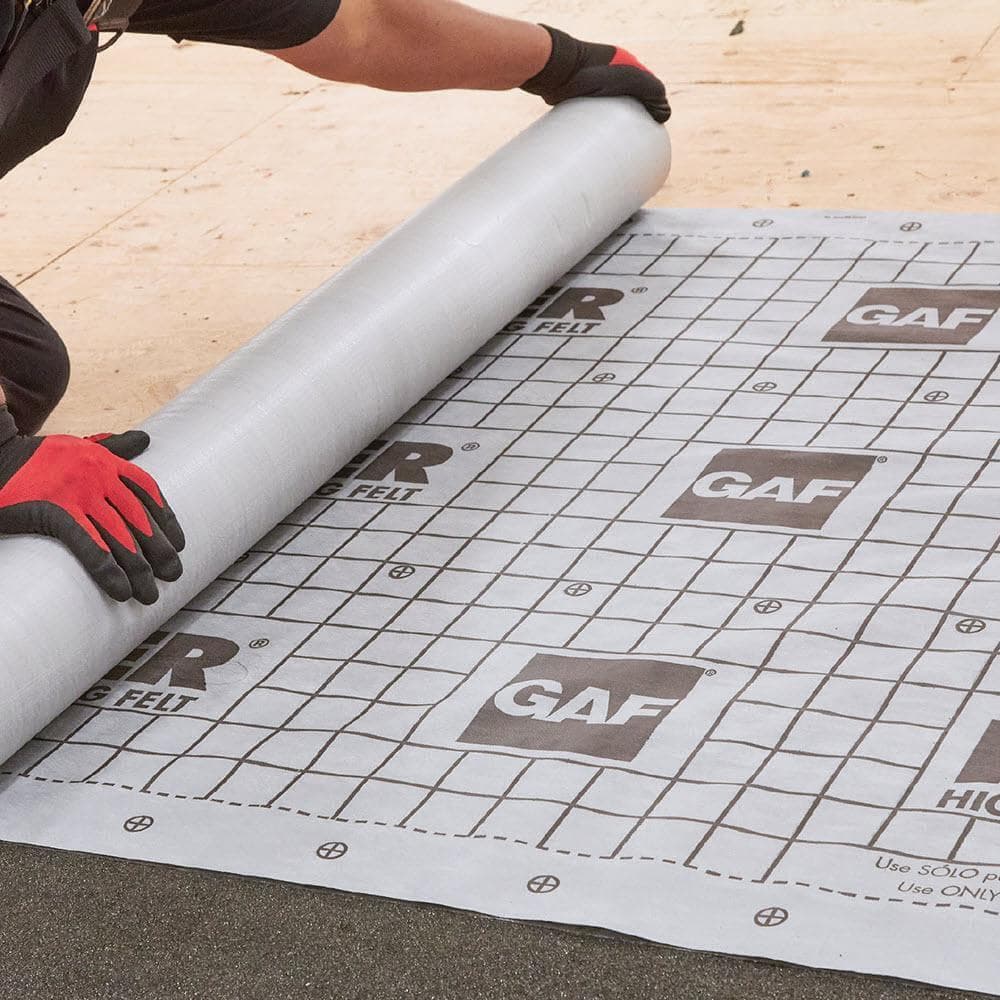
Roof underlayment is a water-resistant or waterproof barrier material installed directly on top of the roof deck before the primary roofing material (shingles, tiles, or metal). It provides a secondary layer of protection against water infiltration.
Modern synthetic underlayments have largely replaced traditional felt paper for new roof installations due to their superior strength, water resistance, and longer UV exposure tolerance. However, felt underlayment remains a cost-effective option for budget-conscious projects.
UV Protection
Protects roof deck from sun damage during construction delays
Water Resistance
Secondary barrier against rain and moisture infiltration
Code Compliance
Required by building codes in most jurisdictions
Synthetic vs Felt Underlayment
Synthetic Underlayment
- ✓20-25x stronger than felt
- ✓90-180 day UV exposure rating
- ✓Lightweight and easier to install
- ✓Superior water shedding
- •$7-$14 per square (100 sq ft)
Felt Underlayment
- ✓Lower upfront cost
- ✓Vapor permeable (breathable)
- ✓Time-tested performance
- •Can tear during installation
- •$3-$6 per square (100 sq ft)

GAF
1 products

Owens Corning
1 products

CertainTeed
1 products

GCP Applied Technologies (Grace)
1 products
Other
1 products
Frequently Asked Questions About Roof Underlayment
Is synthetic underlayment worth the extra cost?
Yes, for most roofing projects synthetic underlayment is worth the additional cost. It provides 20-25x greater tear strength, longer UV exposure tolerance (90-180 days vs 30-90 days for felt), and superior water resistance. The extra $50-100 per roofing square can prevent costly water damage.
How long can underlayment be exposed before shingles?
Synthetic underlayments typically have 90-180 day UV exposure ratings, while traditional felt is limited to 30-90 days. Check the specific product manufacturer's guidelines to ensure warranty compliance.
Do I need ice & water shield AND underlayment?
In cold climates, you typically need both. Ice & water shield is installed at vulnerable areas (eaves, valleys, penetrations) while underlayment covers the remaining roof deck. Building codes often mandate ice & water shield at eaves in northern regions.
What's the difference between #15 and #30 felt?
#30 felt is approximately twice as heavy as #15 felt (30 lbs vs 15 lbs per 100 sq ft), making it more durable and tear-resistant. Most professional roofers recommend #30 felt minimum, though synthetic underlayment has become the preferred choice for new construction.
Need Help Choosing Underlayment?
Get personalized recommendations from certified roofing contractors in your area. They can help you select the right underlayment for your climate and roofing system.
Get Free Quotes