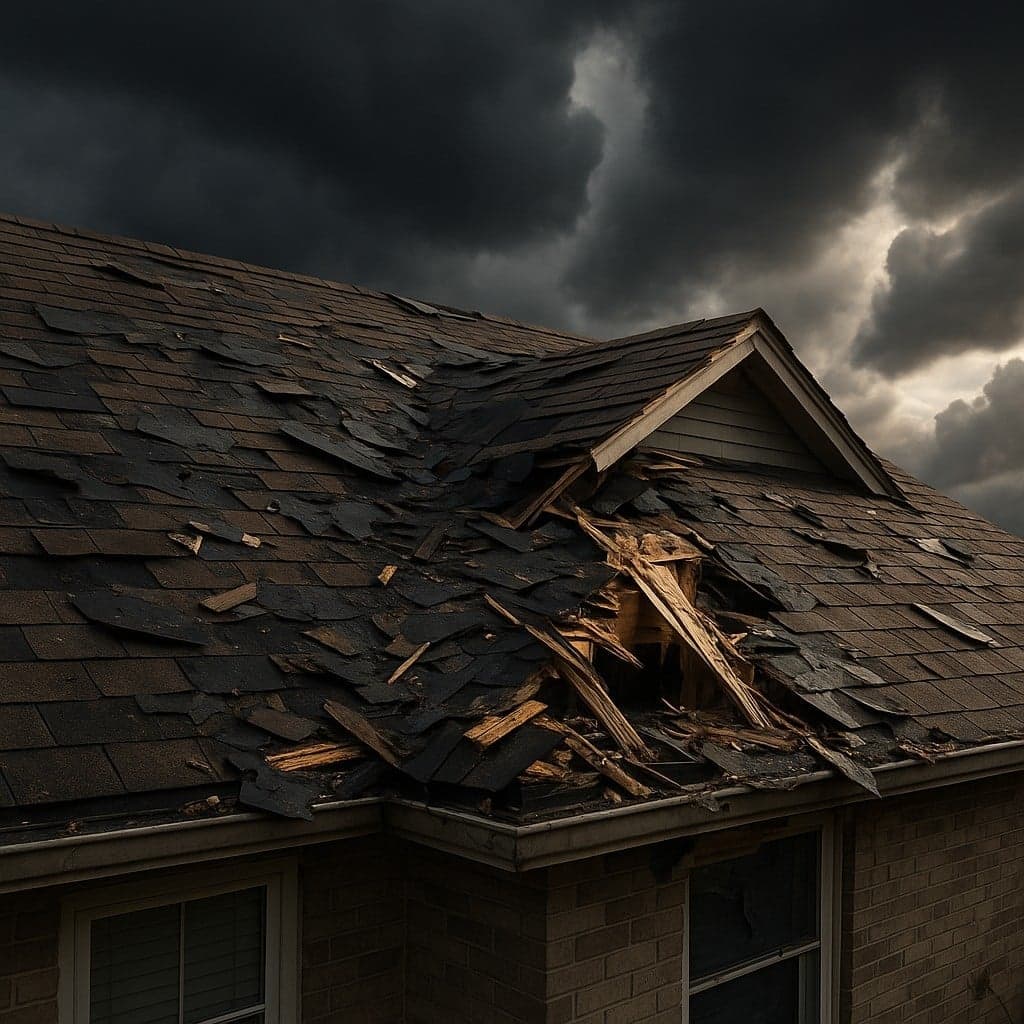
Document Storm Damage Like an Insurance Adjuster
The difference between a $5,000 and $25,000 insurance settlement often comes down to documentation. Learn the exact methods adjusters use—and what they look for.
The 72-Hour Rule
Insurance companies track weather patterns. Document damage within 72 hours of the storm or risk claim denial for "pre-existing damage."
Immediate Action Timeline
0-2 Hours: Safety & Emergency Mitigation
Tarp damage, ensure safety, call insurance
2-24 Hours: Initial Documentation
Overview photos, weather reports, initial inventory
24-48 Hours: Detailed Documentation
Close-up photos, measurements, professional inspection
48-72 Hours: Claim Submission
Submit claim with all documentation
Professional Photo Documentation
The Adjuster's Photography Method
1. Overview Shots (4-8 photos)
- • All four sides of the house from ground level
- • Each roof slope from multiple angles
- • Wide shots showing storm debris patterns
- • Street view for neighborhood context
Pro Tip: Include landmarks or addresses in frame for location verification
2. Damage-Specific Shots (20-30 photos)
- • Close-ups of each damaged area
- • Multiple angles of same damage
- • Include measuring tape or coin for scale
- • Both damaged and undamaged areas for comparison
Critical: Take 5x more photos than you think you need
3. Technical Shots (10-15 photos)
- • Chalk-circle hail impacts (10 hits per 10x10 ft)
- • Exposed underlayment or decking
- • Lifted/creased shingles with shadow visible
- • Gutters with hail dents from multiple angles
Adjuster Secret: They look for "collateral damage" - AC units, mailboxes, cars
4. Interior Documentation (If applicable)
- • Water stains on ceilings (use flash)
- • Moisture meter readings
- • Damaged insulation in attic
- • Any structural impacts
Photo Organization System
File Naming Convention:
[Date]_[Location]_[DamageType]_[Number]Example: 2024-03-15_FrontRoof_Hail_001.jpg
Required Metadata:
- • GPS location enabled
- • Original timestamp preserved
- • No filters or edits
What Insurance Adjusters Actually Look For
Hail Damage Indicators
Valid Damage ✅
- Fresh, black impact marks on shingles
- Exposed mat or fiberglass
- Random hit pattern (not linear)
- Soft metal dents (AC fins, vents)
- 10+ hits per 100 sq ft
Often Disputed ❌
- Old, weathered marks
- Granule loss only
- Manufacturing defects
- Blistering from heat
- Mechanical damage
Insider Tip: Adjusters use a "test square" method. Mark a 10x10 ft area with chalk and count impacts. Insurance typically requires 8-10 hits to approve full replacement.
Wind Damage Indicators
Valid Damage ✅
- Creased shingles (not just lifted)
- Missing shingles with exposed deck
- Lifted tabs with broken seal
- Pattern follows wind direction
Documentation Keys 📸
- Show crease line with shadow
- Document seal failures
- Include directional reference
- Show debris impact points
Technology Tools Adjusters Use
Essential Apps
HOVER or EagleView
3D roof measurements from photos
Pitch Gauge Apps
Measure roof slope accurately
CompanyCam
Time-stamped, GPS-tagged photos
Weather History Apps
Verify storm dates and intensity
Documentation Tools
Video Walkthroughs
Narrated damage tours
Drone Footage
Overview and hard-to-reach areas
Moisture Meters
Document hidden water damage
Damage Diagrams
Mark damage on roof sketch
Pro Strategy: Use the same tools as adjusters. When your documentation matches their format, claims process 3x faster with fewer disputes.
Maximizing Your Legitimate Claim
Often-Missed Damage Items
Exterior Items
- Ridge cap shingles (replaced separately)
- Starter strip shingles
- Step flashing (not just caulk)
- Pipe boot replacements
- Turtle vents/ridge vents
- Gutter/downspout damage
- Fascia/soffit damage
- Window wraps/screens
- Exterior AC unit fins
- Fence/deck damage
Code Upgrades (Often Covered)
- Ice & water shield requirements
- Drip edge installation
- Synthetic underlayment upgrade
- Additional ventilation requirements
- Nail pattern updates
- Decking replacement standards
- Energy efficiency upgrades
The Supplement Strategy
Initial adjuster estimates miss 30-40% of legitimate damage on average. Always get a professional inspection to identify missed items for supplement claims.
Avg initial estimate
Avg supplement
Final settlement
Critical Timeline Management
Storm Occurs
- • Emergency repairs
- • Call insurance
- • Document overview
Initial Documentation
- • Detailed photos
- • Get weather reports
- • File claim
Professional Inspection
- • Hire public adjuster/roofer
- • Detailed damage assessment
- • Gather repair estimates
Insurance Inspection
- • Meet adjuster
- • Point out all damage
- • Get written report
Settlement Review
- • Review estimate
- • File supplements
- • Negotiate if needed
Claim Resolution
- • Accept settlement
- • Schedule repairs
- • Final documentation
Don't Leave Money on the Table
Get a professional damage assessment within 72 hours. Our certified inspectors know exactly what insurance companies look for—and what they often "miss."